
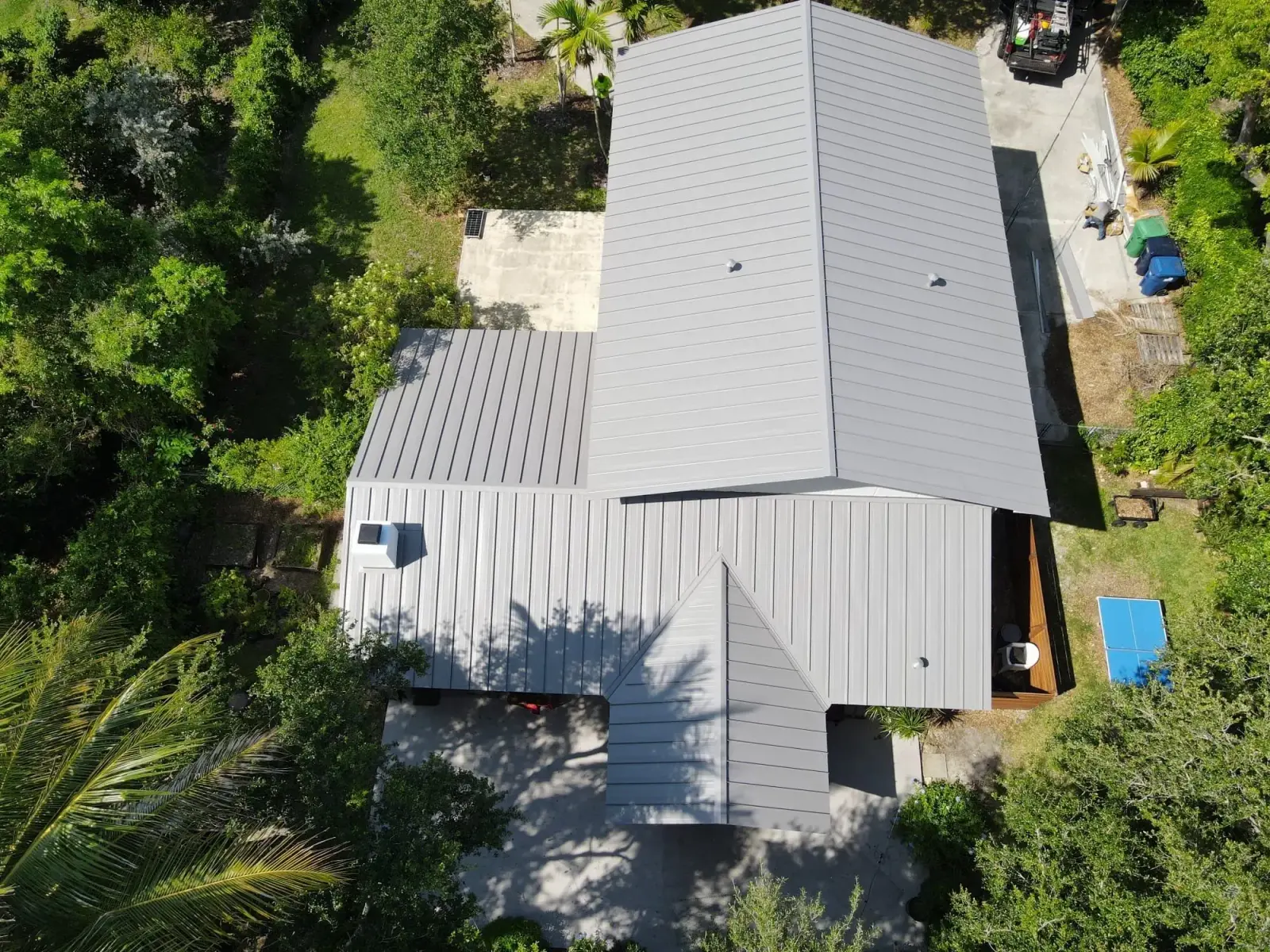
Contemporary • Aluminum roof
South Miami Residential Aluminum
Aluminum standing-seam roof replacement on a single-story South Miami residence with palm-shaded landscape.
South Miami's residential roofing reflects the city's architectural evolution from early 20th-century settlement to modern suburban density. The building stock spans Mediterranean Revival homes from the 1920s, mid-century ranch construction, and contemporary infill. Roofing here addresses subtropical exposure, tree canopy from mature oaks and palms, and the proximity to the University of Miami campus along Red Road.
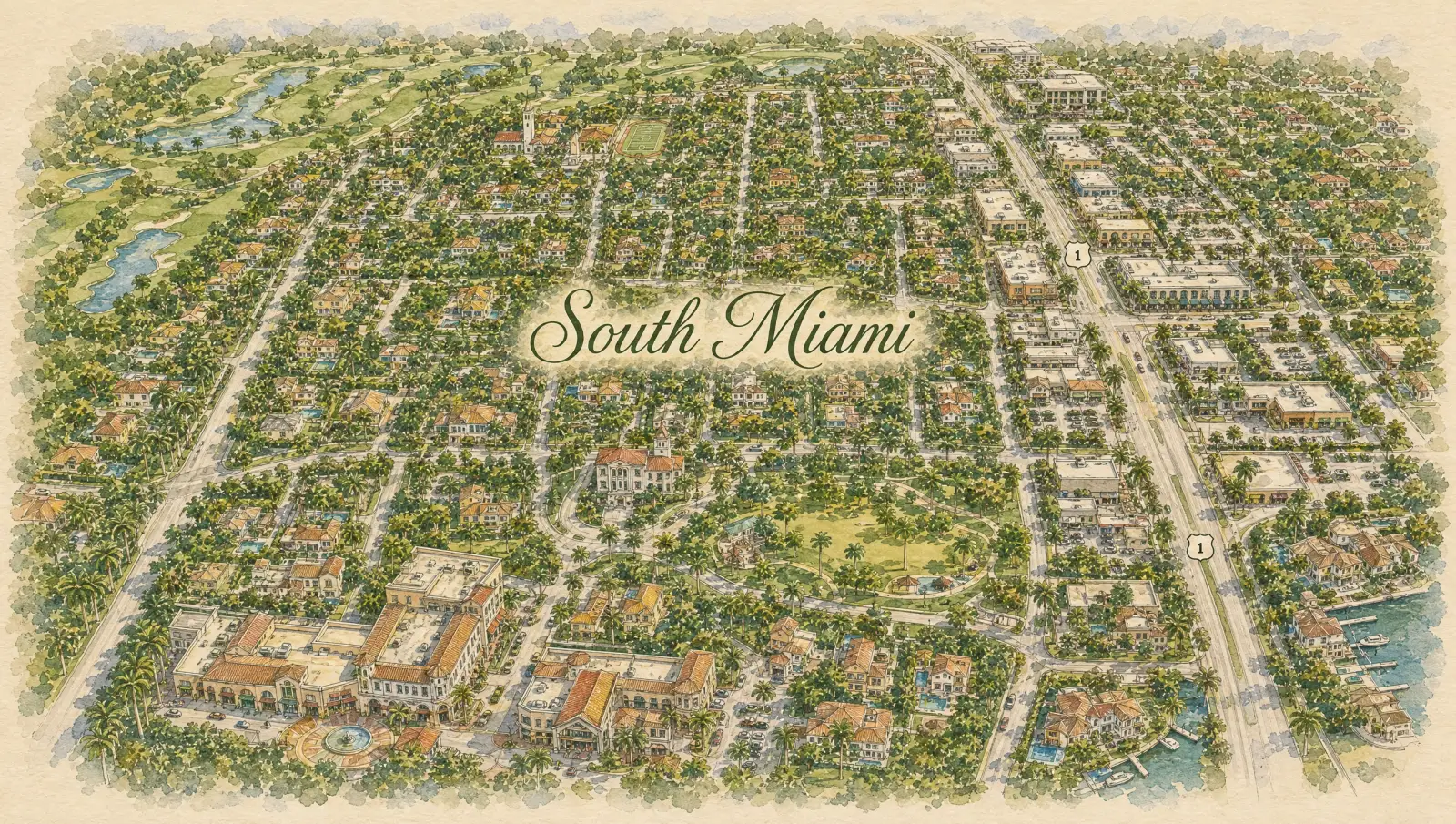
South Miami's 2.3 square miles hold a concentrated mix of architectural registers. The Cambridge Lawns Historic District preserves Tudor Revival and Mediterranean revival homes from 1928, many with original clay tile roofs or period-appropriate replacements. Mid-century ranch homes built through the 1960s and 1970s typically carry asphalt shingles or flat membrane systems.
Contemporary construction along the city's western edge introduces standing-seam metal and architectural shingle profiles.
The city absorbed extensive damage from the 1926 Miami hurricane and again from Hurricane Andrew in 1992. Roofing decisions here reflect that storm history. Tile and metal systems dominate the historic core where architectural review encourages material continuity.
Flat roofing serves the commercial corridor along South Dixie Highway and the mixed-use development near the Metrorail station.
Typical roof lifespan in South Miami: Most residential roofs last 15+ years, with tile and standing-seam metal commonly reaching 30+ in this climate when properly maintained.
Tree canopy from mature oaks and palms creates debris load and shading patterns that influence material selection. Homes near the University of Miami campus along Red Road face pedestrian and vehicular density that shapes access logistics during replacement work.
See also service areas, Coral Gables, Pinecrest, Coconut Grove, metal roofing aluminum, metal roofing copper, metal roofing galvalume, south miami asphalt shingles, south miami flat roofing, south miami metal roofing, and south miami tile roofing.
Tile, metal, asphalt, and flat. Each spoke links to the area-specific deep page. The right call depends on the architecture, the historic district status, and the structural carry.
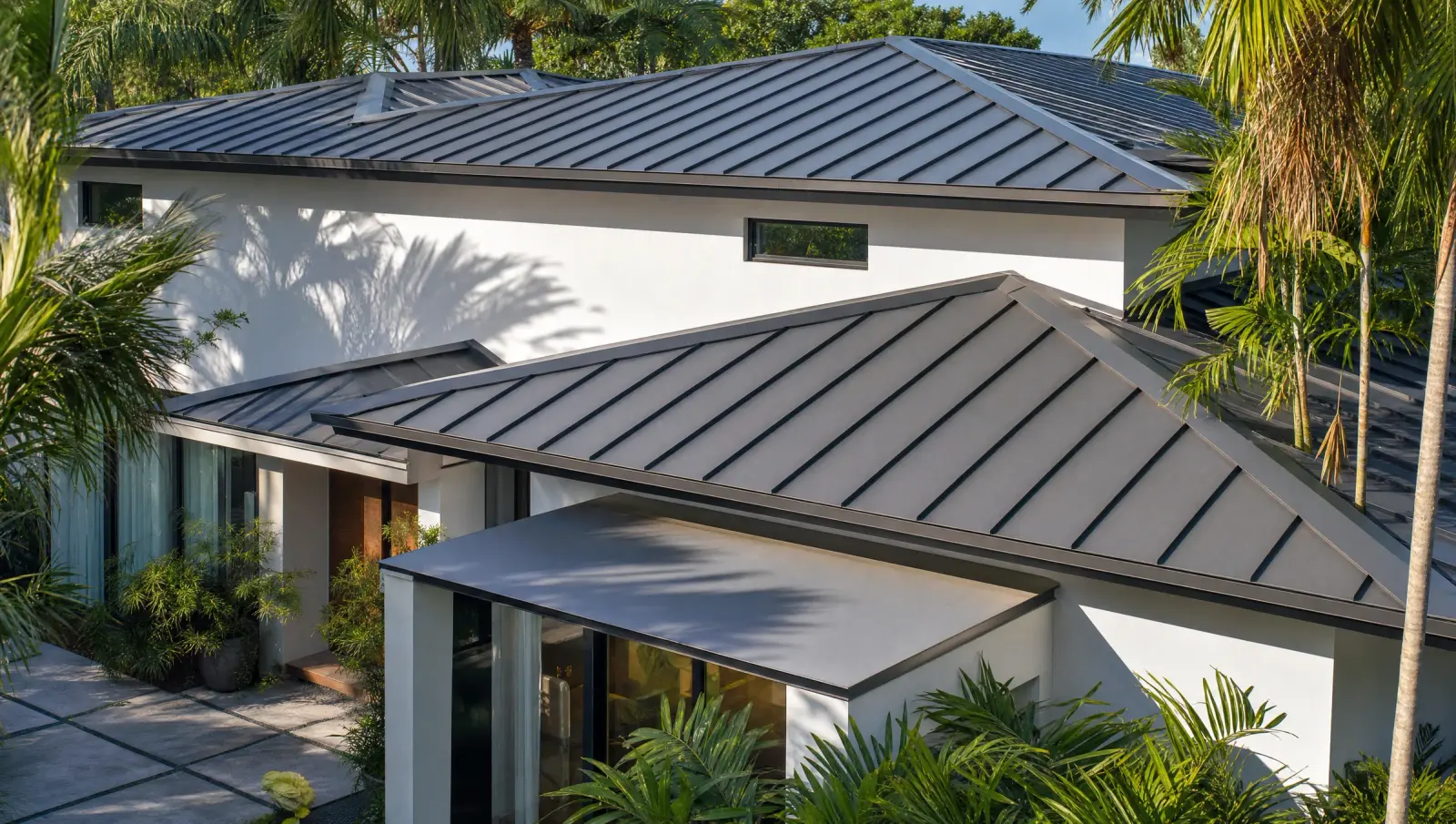
Standing-seam install: concealed clip, HVHZ fastener pattern, coastal-grade.
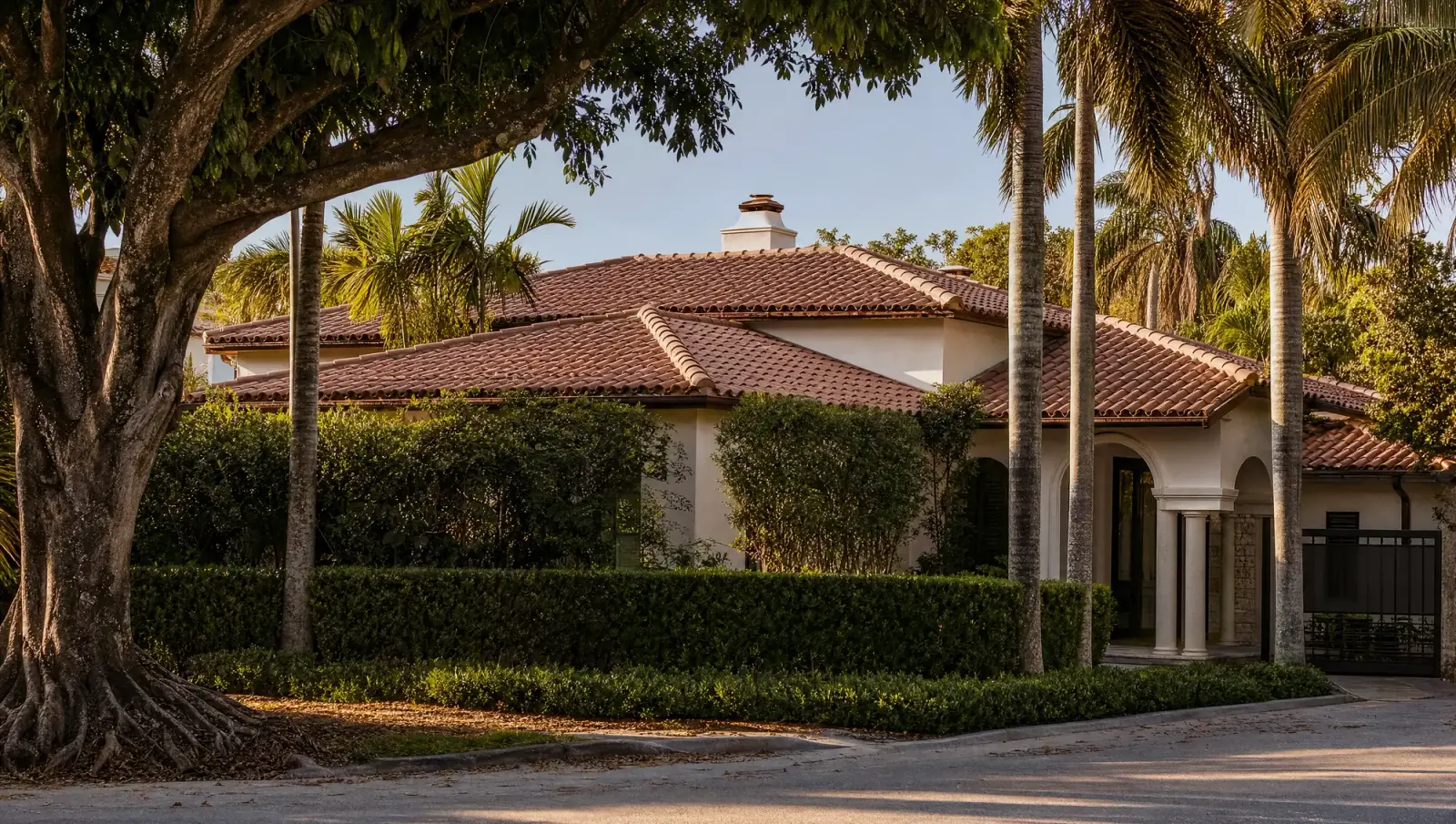
Clay and concrete tile install for Mediterranean Revival and historic-district homes.
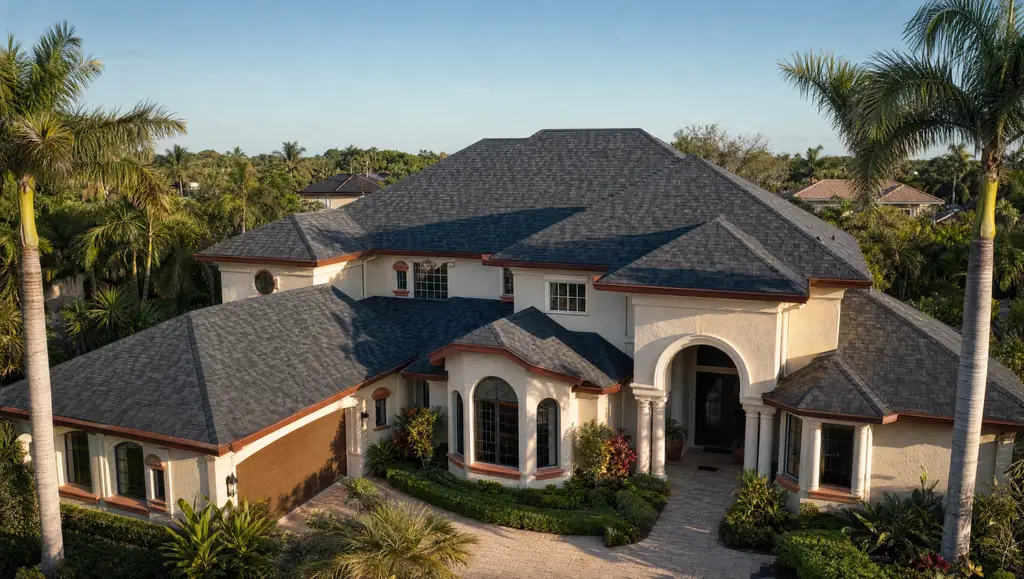
HVHZ-rated install with wind-warranted underlayment for non-historic homes.
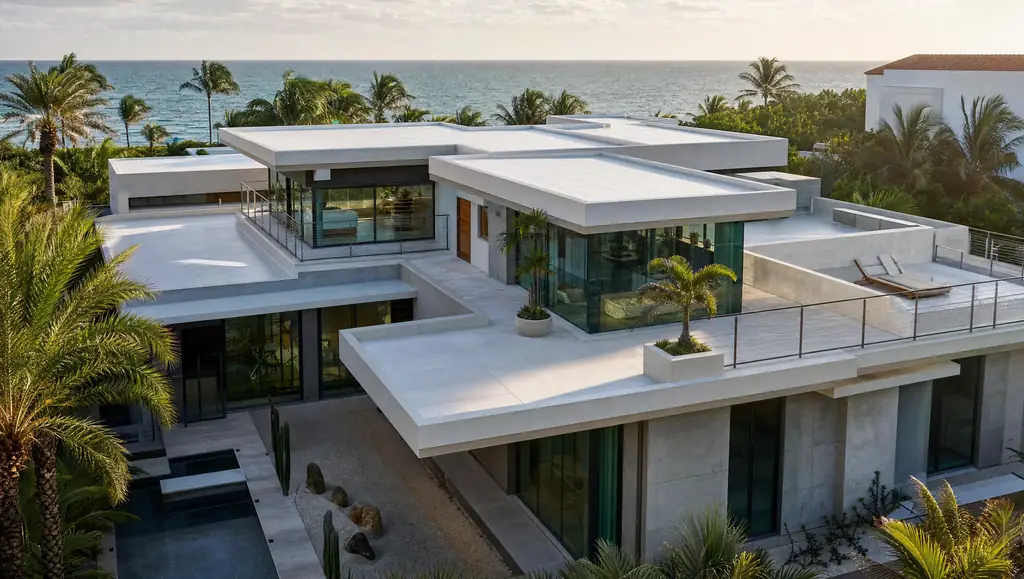
Modified-bitumen and TPO membranes for low-slope homes and additions.
The Cambridge Lawns Historic District encourages tile and period-appropriate materials that match the 1928 Tudor Revival and Mediterranean revival character. Replacement projects here often require design review to maintain architectural consistency.
Mature oaks and palms throughout South Miami create year-round debris load and shading patterns. Roof valleys and low-slope sections accumulate organic material that accelerates wear on asphalt shingles and requires regular maintenance on tile and metal systems.
Homes along Red Road and the eastern city boundary face pedestrian and vehicular density from the University of Miami campus. Crane staging, material delivery, and dumpster placement require coordination with campus schedules and residential parking patterns.
South Miami absorbed extensive damage from the 1926 Miami hurricane and Hurricane Andrew in 1992. Homeowners here expect wind-rated systems and fastening details that meet or exceed Miami-Dade HVHZ requirements, even when not strictly mandated by the building code.
Recent South Miami projects shown first, alongside our work from nearby South Florida neighborhoods.
Contemporary • Aluminum roof
Aluminum standing-seam roof replacement on a single-story South Miami residence with palm-shaded landscape.
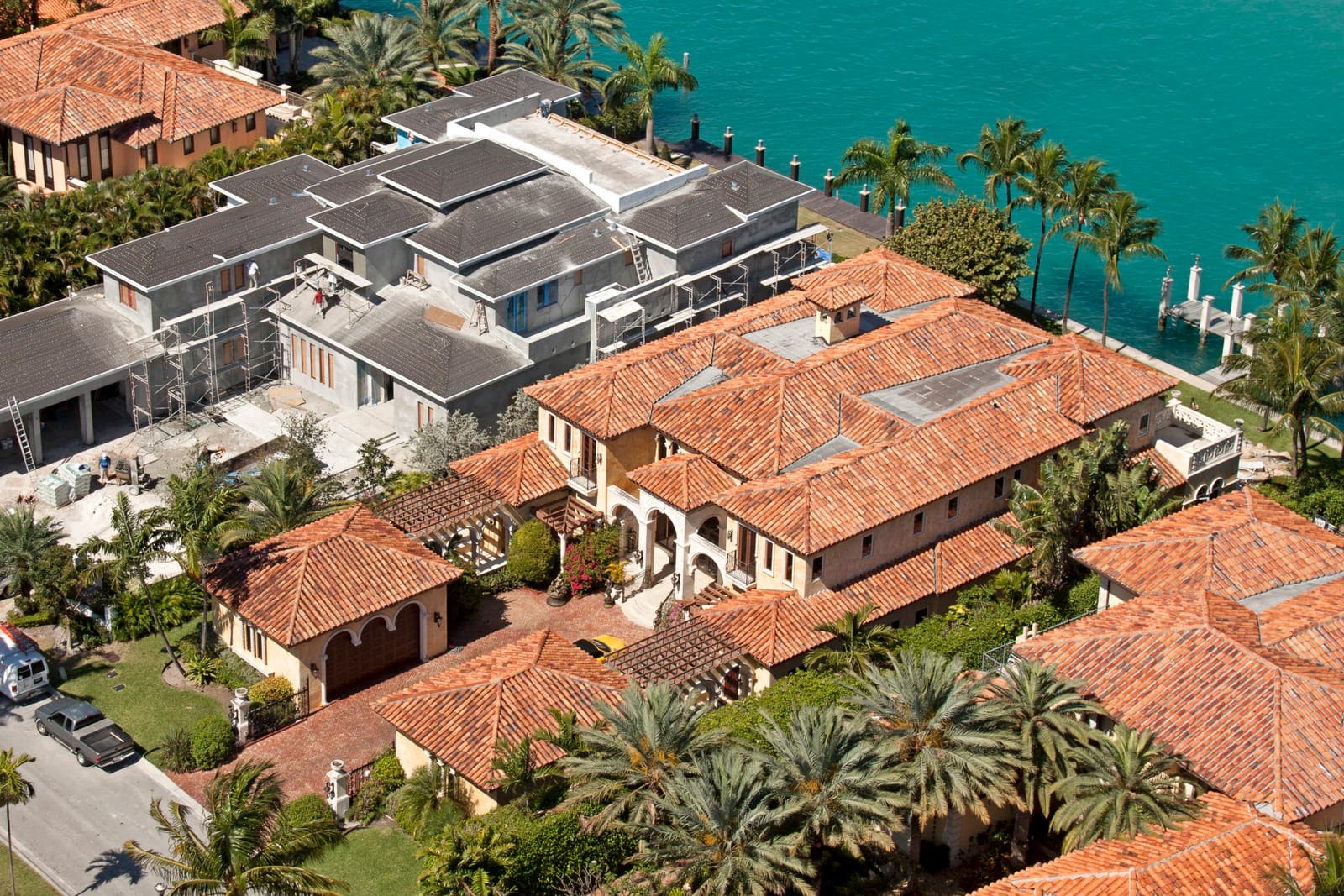
Clay tile roof · representative
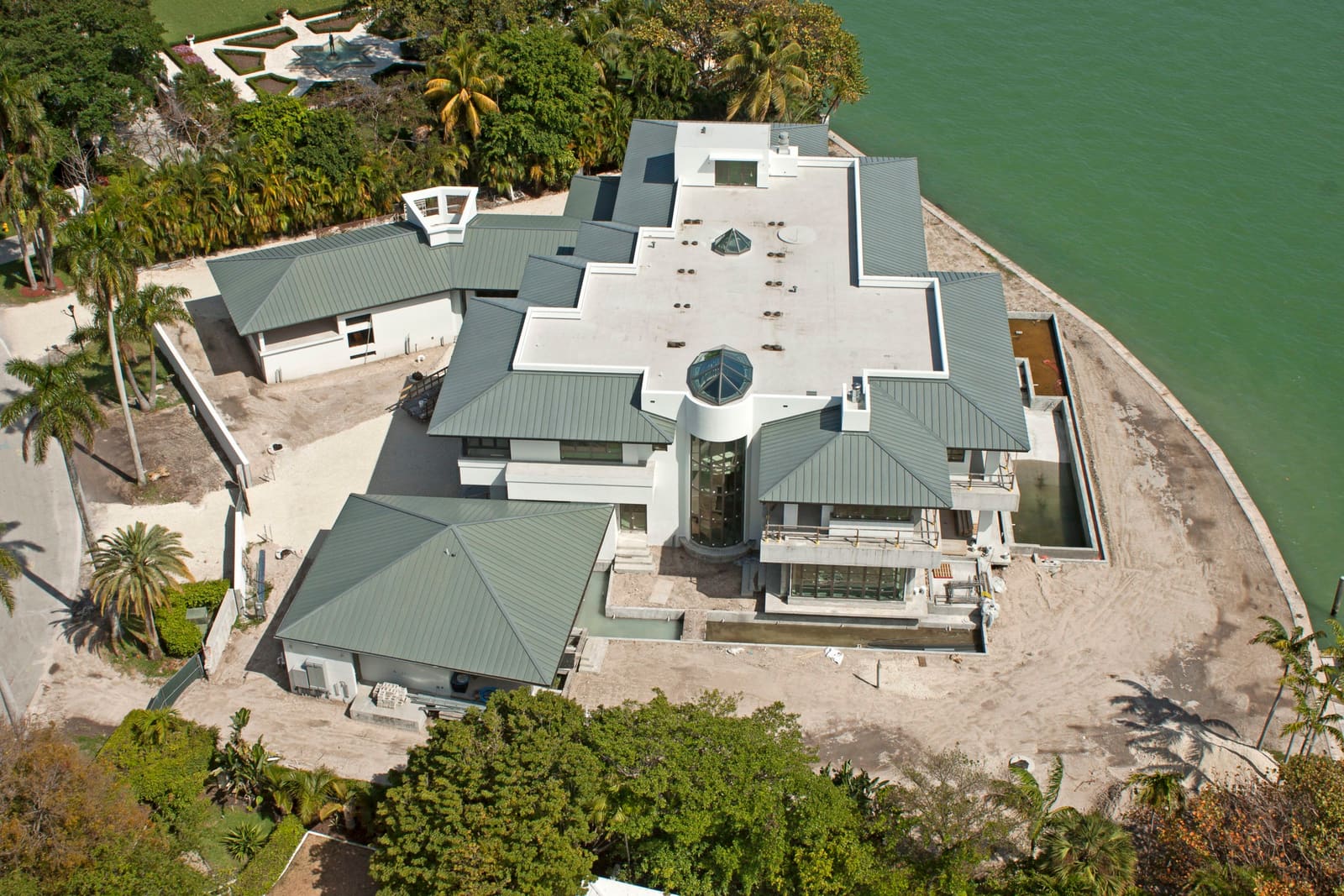
Metal roof · representative

Asphalt shingle roof · representative
The Cambridge Lawns Historic District encourages material continuity with the 1928 Tudor Revival and Mediterranean revival character. Replacement projects often require design review to maintain architectural consistency. Check with the city's planning department before selecting materials for homes within the historic district.
Mature oaks and palms create year-round debris load. Metal and tile systems handle organic accumulation better than asphalt shingles, which accelerate wear under constant shading and moisture. Regular valley cleaning extends lifespan on any material.
Homes along Red Road face pedestrian and vehicular density from the campus. Crane staging, material delivery, and dumpster placement require coordination with campus schedules and residential parking patterns. Plan access routes before work begins.
South Miami lies within Miami-Dade County and follows the Florida Building Code's High Velocity Hurricane Zone requirements. Most residential roofing systems must meet Miami-Dade Notice of Acceptance standards for wind uplift and impact resistance. Homeowners here expect fastening details that meet or exceed code minimums given the city's storm history.
We walk South Miami properties to assess material fit, access logistics, and architectural requirements. Call us to schedule a consultation.