
Sofia is very professional and knowledgeable also is able to answer any and all questions. It was a great experience.
a month ago
Clay tile is the generational roof. Ludowici Elite Crown installation, Verea authorized applicator, Miami-Dade HVHZ NOA-compliant attachment. Clay tile installed correctly lasts 30+ years in South Florida exposure and outperforms every other roofing material on lifespan, color retention, and structural integration with luxury architecture.
Properly installed clay tile lasts 30+ years in South Florida exposure. The tile itself is largely inert; fired clay doesn't degrade in UV, salt air, or temperature swings. Failures, when they happen, trace back to underlayment age (40-50 year cycle), fastener corrosion, or impact damage from falling debris, not from the tile material itself.
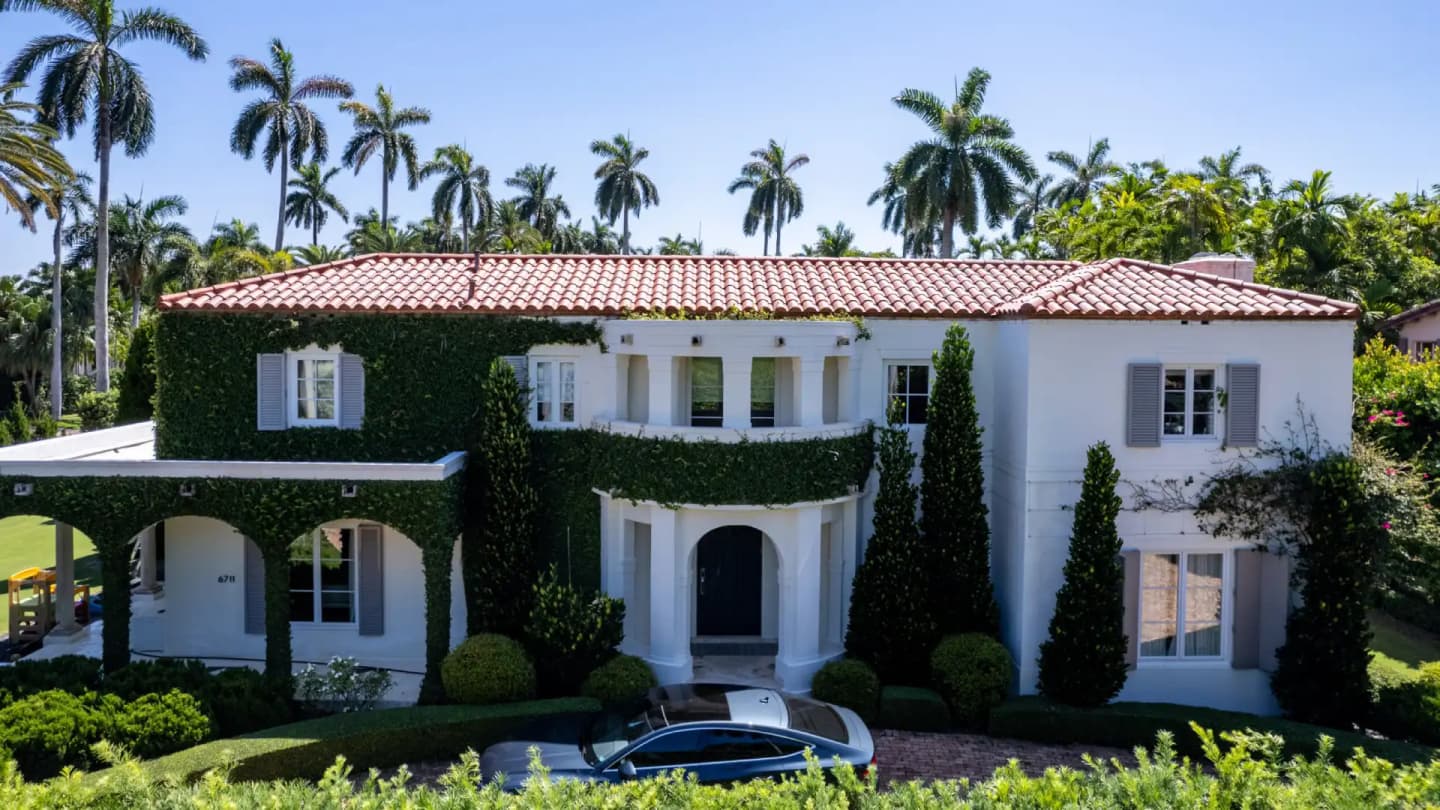
Clay tile is the architectural roof of South Florida's luxury inventory: Coral Gables, Coconut Grove, Pinecrest, Miami Beach.
Clay tile installation includes Ludowici Elite Crown profiles, Verea clay profiles, Granada clay tile, NOA-approved attachment (screw-fastened or foam-adhered), peel-and-stick membrane underlayment, ridge cap installation, and full hip/valley flashing integration.
Tile roofing options include both clay and concrete tile: clay sits at the top tier for luxury homes; concrete is the value tier with similar profile options.
Where tile isn't the right answer, see metal roofing in aluminum or copper for architectural-metal alternatives, or flat roofing for the low-slope sections of the same property.
Clay tile is the architectural roof of South Florida's luxury inventory: Coral Gables, Coconut Grove, Pinecrest, Miami Beach. The material's color comes from the clay body itself (not surface coating), which means it doesn't fade like painted concrete tile. Color retention at 50 years matches color at install.
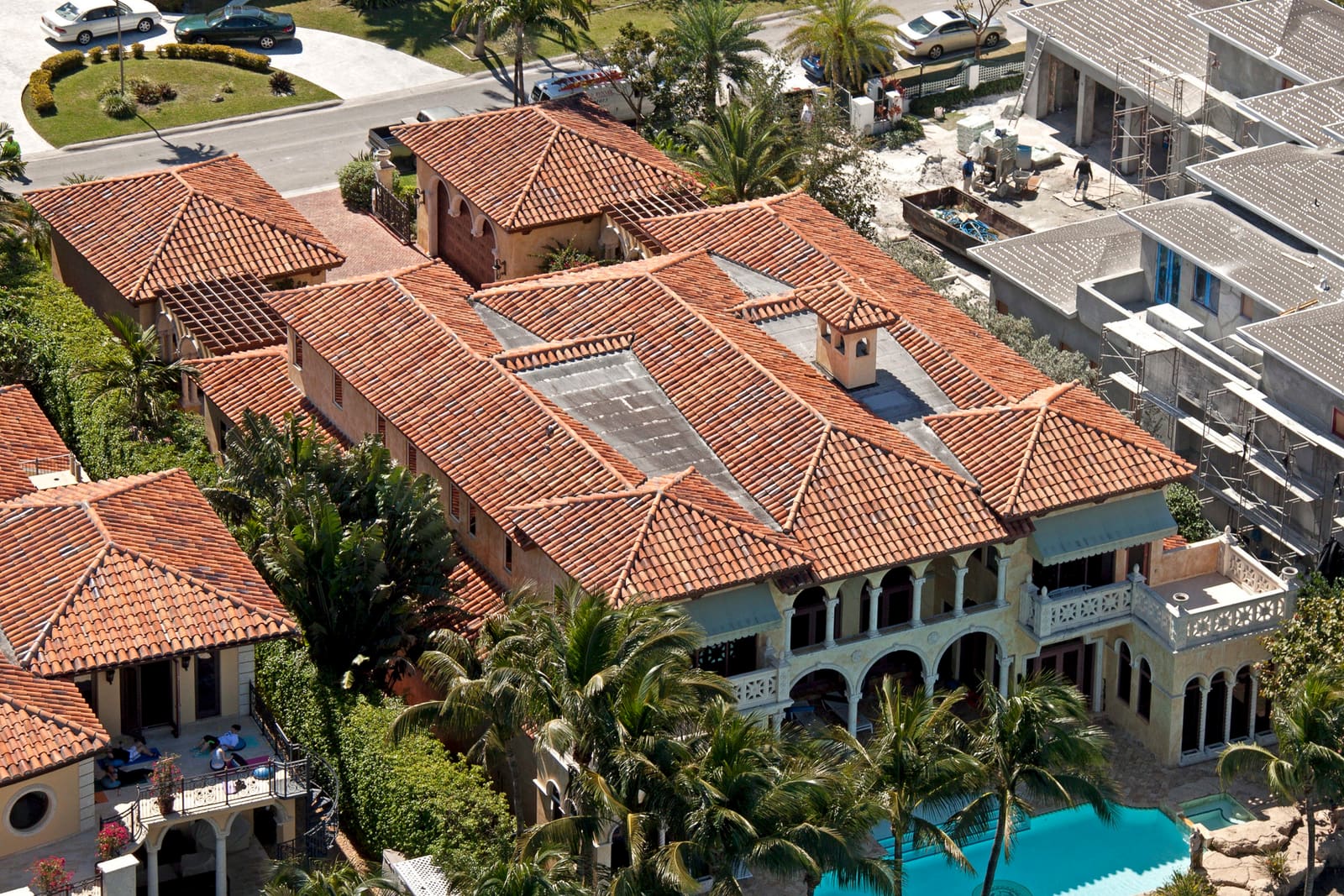
Architectural review boards in luxury neighborhoods often require clay tile or its visual equivalent. The Mediterranean and Spanish-Revival architectural vocabulary that defines South Florida luxury construction is structurally married to clay tile profiles.
Deck preparation starts with structural inspection: tile averages 8 to 12 pounds per square foot, and the deck must carry that load with current-code fastening. Peel-and-stick membrane underlayment seals the deck before tile installation begins.
Attachment follows Miami-Dade NOA: screw-fastened standard, or NOA-approved foam adhesive system on profiles where it applies. Battens or counter-battens install if the profile requires them. Field tile lays course-by-course from eave to ridge, with each tile mechanically secured.
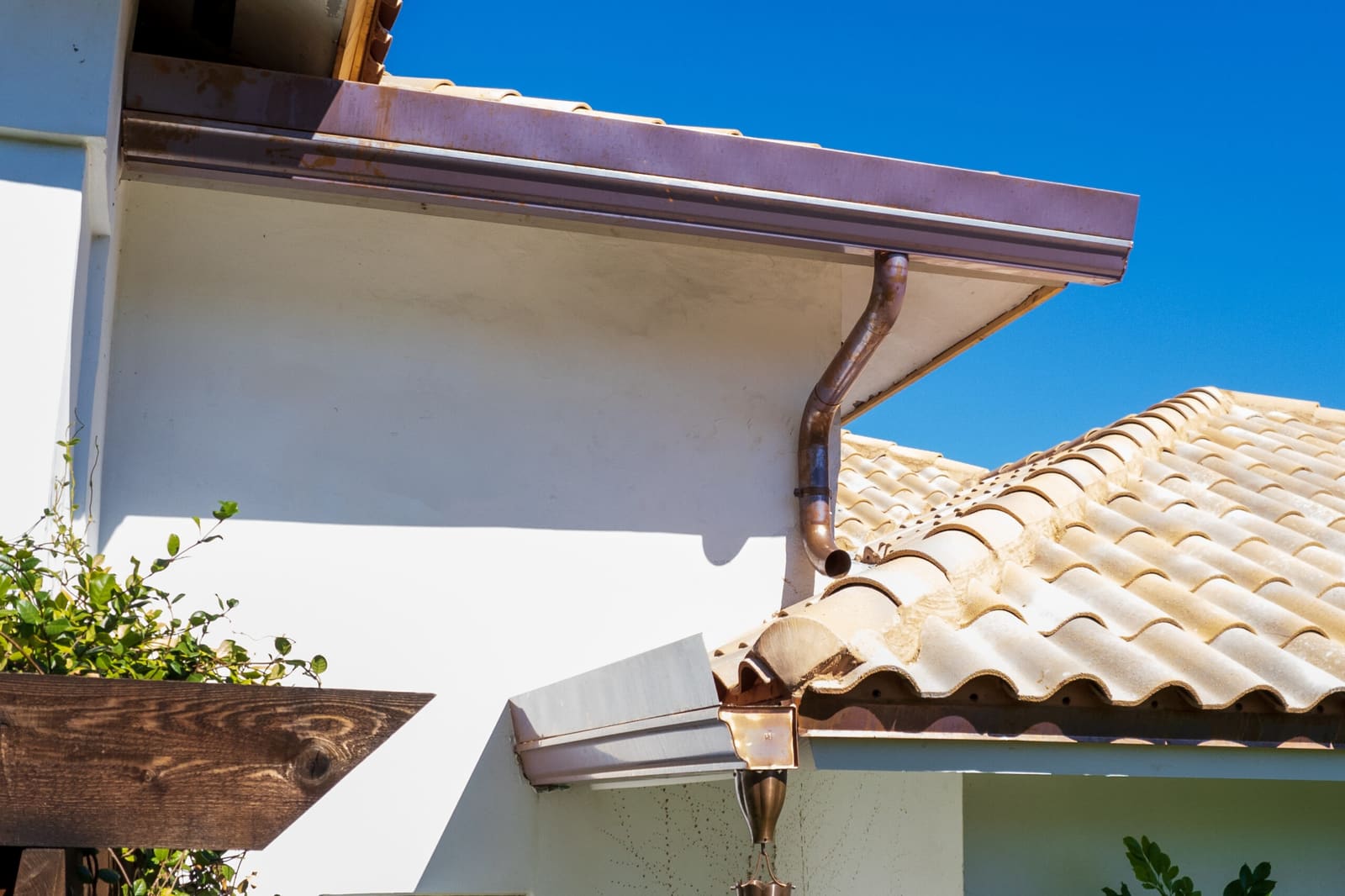
Ridge cap, hip cap, and valley flashing complete the system. We integrate copper or galvanized flashings at every penetration and termination.
| Property | Clay Tile | Concrete Tile |
|---|---|---|
| Lifespan | 30+ years, the longer-lived profile | 30+ years |
| Color | In body, no fade | Surface coating, fades |
| Weight | 8-12 psf | 9-12 psf |
| Cost | Higher, top tier | Lower, value tier |
Properly installed clay tile lasts 30+ years in South Florida exposure. The tile itself is largely inert; failures come from underlayment age, fastener corrosion, or impact damage, not from the tile material.
Yes. Clay tile systems with NOA-approved attachment meet Miami-Dade HVHZ wind-uplift requirements. Mechanical attachment via screws and approved foam adhesive system both have Miami-Dade Notice of Acceptance documentation.
Clay tile averages 8 to 12 pounds per square foot. Most South Florida homes built for tile (the majority of luxury construction) handle the load. Replacement from a lighter material may require structural review and reinforcement.
Clay tile costs more than concrete tile installed, and beyond the material itself it often requires more careful handling and skilled labor to set correctly. Clay's longer service life than concrete and superior color retention typically justify the added cost on luxury homes; concrete is the value tier.
Clay tile gets its color from the clay itself or from a fired-on glaze, not from a surface coating, so the color runs through or is baked into the tile and isn't something you can simply repaint and expect to last. Paint or coatings applied over clay tile tend to peel and flake within a few years because the tile surface doesn't hold coatings well long-term, and once that happens the finish looks worse than the original tile. If you want a different look, the more reliable route is replacing tiles with a different clay color or glaze rather than trying to paint over what's there.
Yes, clay tile roofs can be cleaned, and doing so helps remove moss, algae, and dirt buildup that can hold moisture against the tile. Cleaning should be done carefully, since clay tile can crack or chip under foot traffic or aggressive pressure washing, so a gentler approach and careful walking technique matter more than on some other roof types. It's worth having this done by someone familiar with clay tile roofs so the tiles aren't damaged in the process.
Clay tile roofing is made from natural clay that's shaped and kiln-fired into curved or flat profiles, then installed as an overlapping roof covering. It's one of the oldest roofing materials still in use, valued in South Florida for its look, its resistance to heat and sun, and its long service life compared to asphalt shingles. Clay tile comes in various profiles including barrel, S-shaped, and flat styles, and its natural color runs through the material rather than sitting on top as a coating, so the color doesn't fade the way a painted or coated surface can.
Because it's fired clay rather than a cement-based product, it handles South Florida's heat and UV exposure well over decades. Weight, structural requirements, and HVHZ compliance are important considerations before installing it, which are addressed in the other questions on this page.
Schedule a no-pressure consultation. We walk your roof, review your options, and give you a detailed written proposal.