
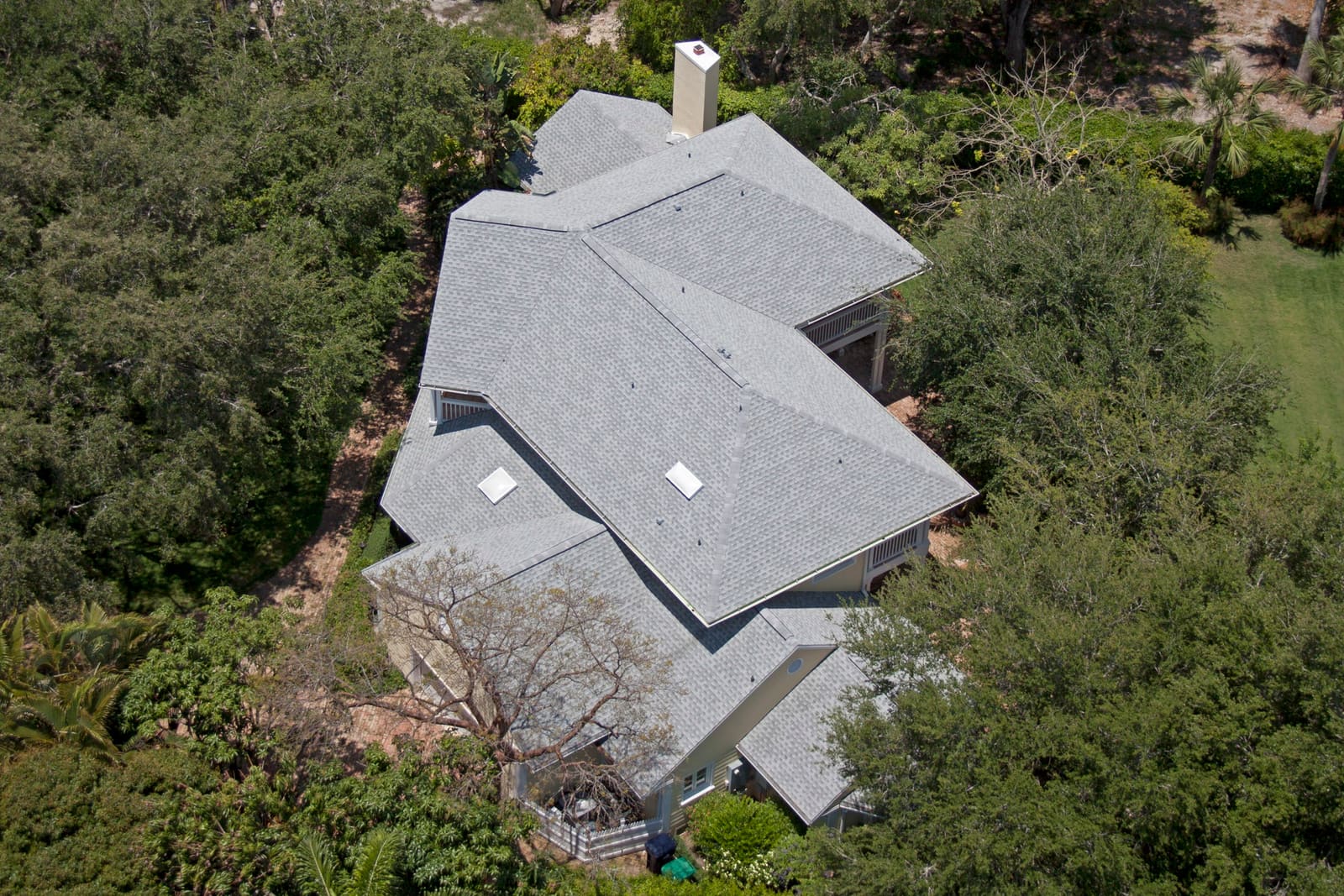
Asphalt shingle roof
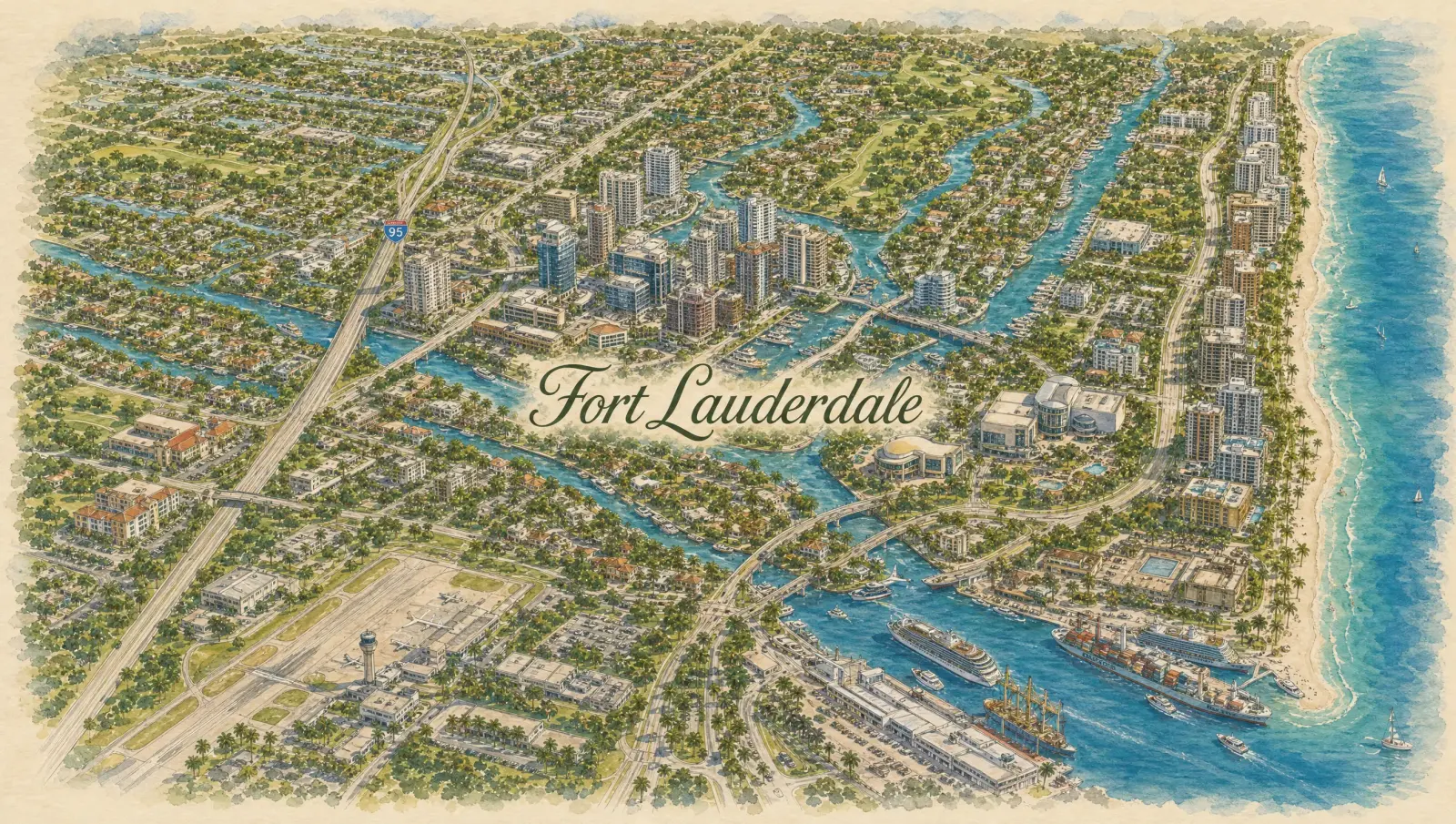
Fort Lauderdale spreads along the Broward coast around the canal network that gives the city its "Venice of America" description. Roofing here depends heavily on where a house sits: salt-laden air off the Intracoastal and the ocean is hardest on exposed fastenings and flashing, while the same roof a few miles inland faces a materially gentler set of conditions.
Typical roof lifespan in Fort Lauderdale: Most residential roofs last 15+ years in this climate, with tile and standing-seam metal commonly reaching 30+ when properly maintained.
Fort Lauderdale is a city where the roof you should install depends heavily on where the house sits. The canal network that gives the city its "Venice of America" description puts a large share of its housing stock within a few hundred feet of open water, and that proximity governs how quickly fastenings, flashing, and exposed metal degrade. A few miles inland the same roof faces a materially gentler set of conditions.
The building stock spans a wide range of ages. Post-war single-family neighbourhoods, mid-century waterfront homes, and newer infill construction all sit within the same city limits, and each carries a different assumption about what the original roof was and how much service life is left in it. Homes built before the current code cycle often need more than a like-for-like replacement, because the fastening schedules and underlayment standards have changed underneath them.
Fort Lauderdale sits in Broward County, which, like Miami-Dade, falls inside the Florida High Velocity Hurricane Zone. Products have to carry current approvals for that designation, and the installation details are prescribed rather than discretionary. We have worked to those requirements since 1985.
See also service areas, Weston, Golden Beach, and Miami Beach.
The canal system means two houses a mile apart can face very different exposure. Salt-laden air is hardest on exposed fastenings and flashing, so waterfront jobs get non-ferrous or coated fastenings and closer attention at every penetration.
Post-war neighbourhoods, mid-century waterfront homes, and newer infill sit side by side, so there is no single default assumption about the existing roof. We look at what is actually up there before quoting.
Fort Lauderdale permits through the city rather than through Miami-Dade, but Broward sits in the same High Velocity Hurricane Zone, so product approvals and installation details match what we do on the Miami-Dade side.
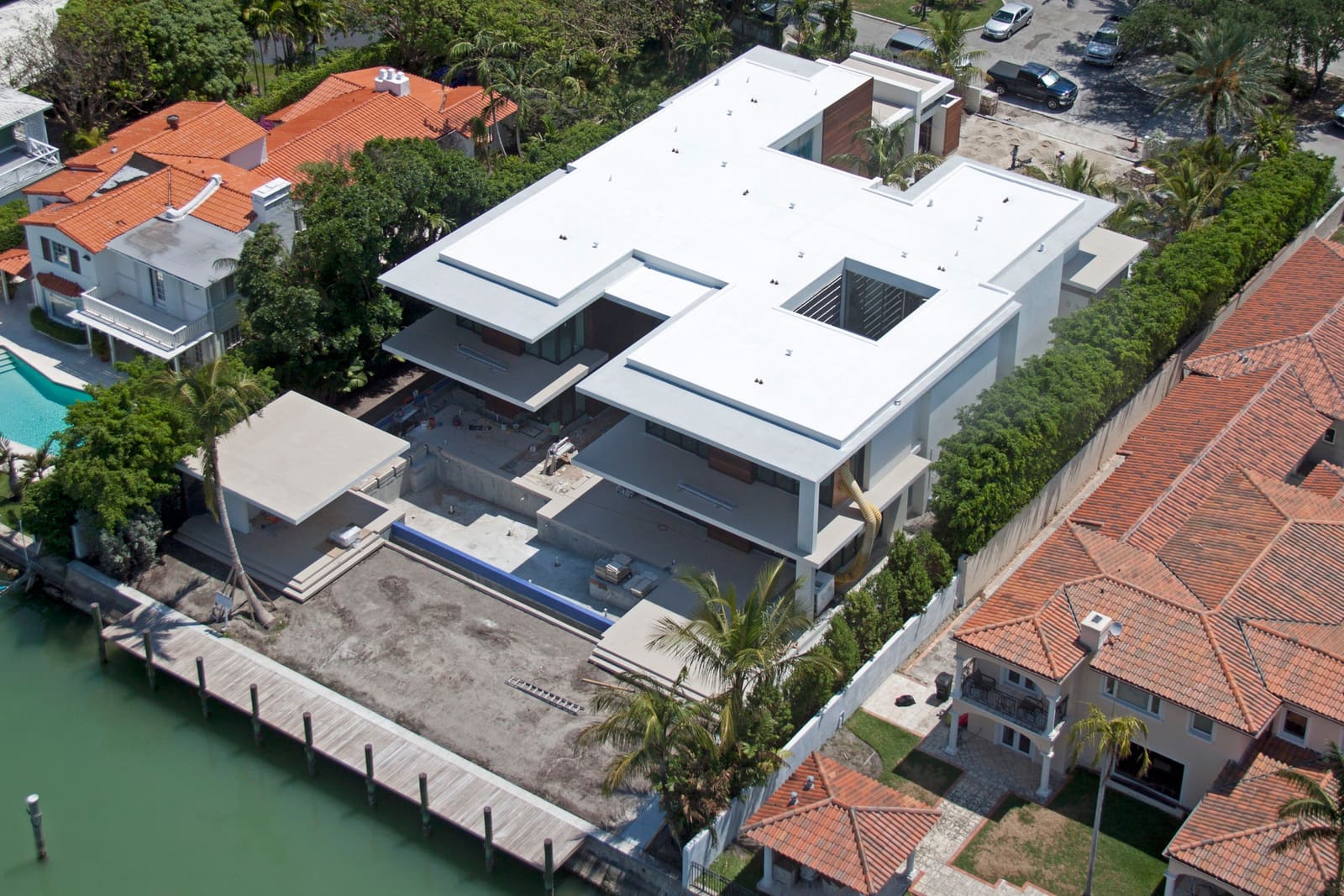
Additions, carports, and flat roof decks appear frequently in this stock, and they often need a different system from the main roof. A tile or metal main roof with a membrane low-slope section is a normal combination here.
Our work from nearby South Florida neighborhoods.
Asphalt shingle roof
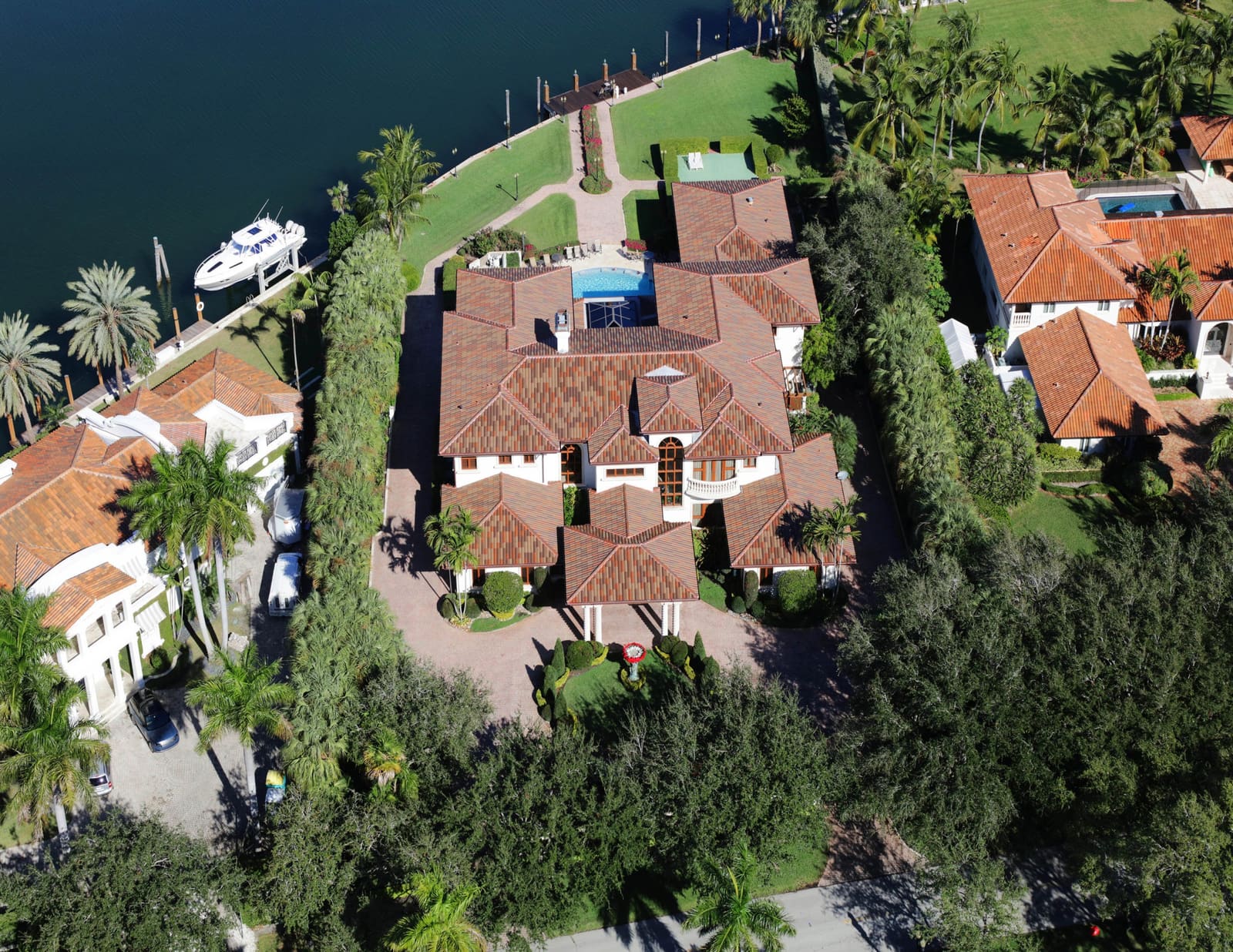
Clay tile roof
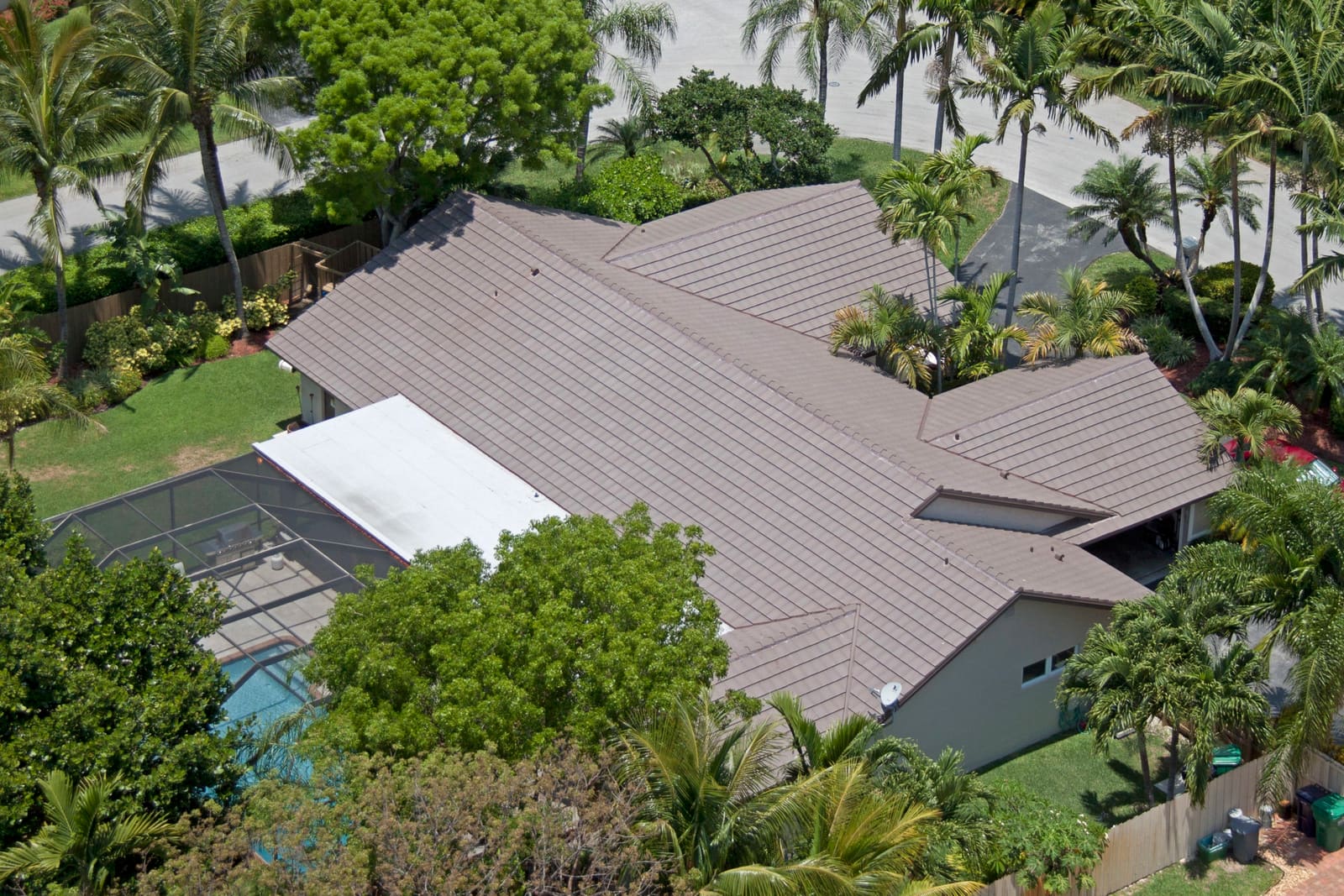
Concrete tile roof
Flat roof
Yes. Our footprint covers both Miami-Dade and Broward County, and Fort Lauderdale is part of the Broward side of that footprint along with Hollywood and Weston. Both counties sit inside the Florida High Velocity Hurricane Zone, so the permitting and product-approval requirements we work to are the same on either side of the county line.
It changes what holds up. Homes close to the Intracoastal and the beach get salt-laden air that is harder on exposed metal fasteners and flashing than the same roof a few miles inland. That does not rule out any material, but it does change the details: coated or non-ferrous fastenings, careful attention to flashing at penetrations, and a preference for systems that tolerate the exposure. We look at where the house actually sits before recommending a system rather than treating the whole city the same.
Most residential roofs here last 15+ years, with tile and standing-seam metal commonly reaching 30+ when they are installed correctly and maintained. The spread is wide because exposure varies so much across the city. A sheltered inland roof and a waterfront roof taking direct salt and wind age at different rates, so the honest answer for any specific house comes from looking at it.
Yes. A full roof replacement requires a permit and inspections through the City of Fort Lauderdale, and the products used have to carry current Florida approvals for High Velocity Hurricane Zone use. We handle the permitting as part of the job.
Whether the roof is on the water or several miles inland changes what we would recommend, so the useful first step is looking at it. We have been installing and repairing roofs across South Florida since 1985, and we work to High Velocity Hurricane Zone requirements on both sides of the county line.