
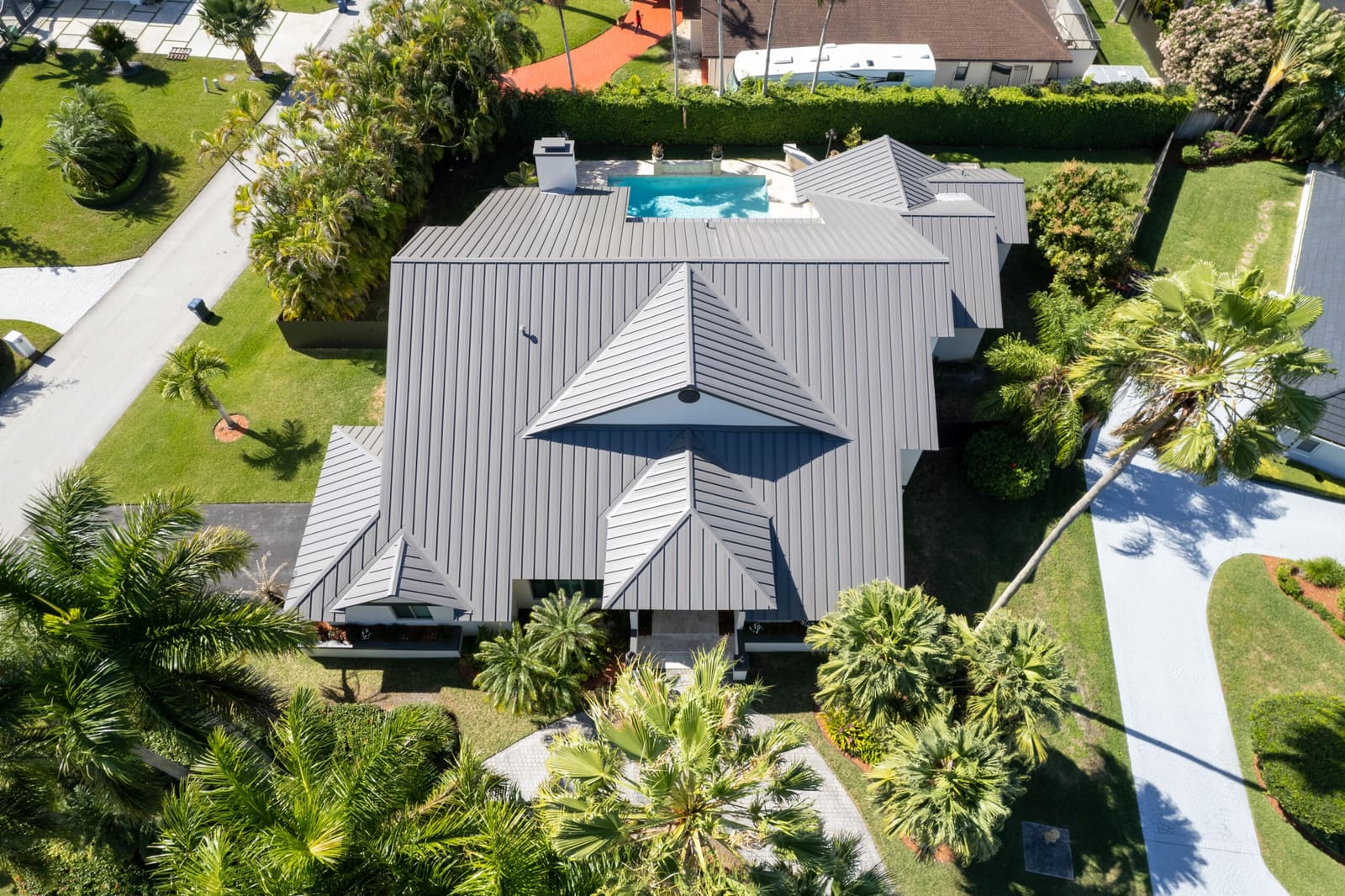
Metal roof
Hollywood sits between Fort Lauderdale and the Miami-Dade line, with a housing stock noticeably older than the newer inland cities in the same county. Roofing here combines coastal exposure near the ocean and Intracoastal with homes that often predate the current code cycle, so a replacement is frequently more than a like-for-like swap.
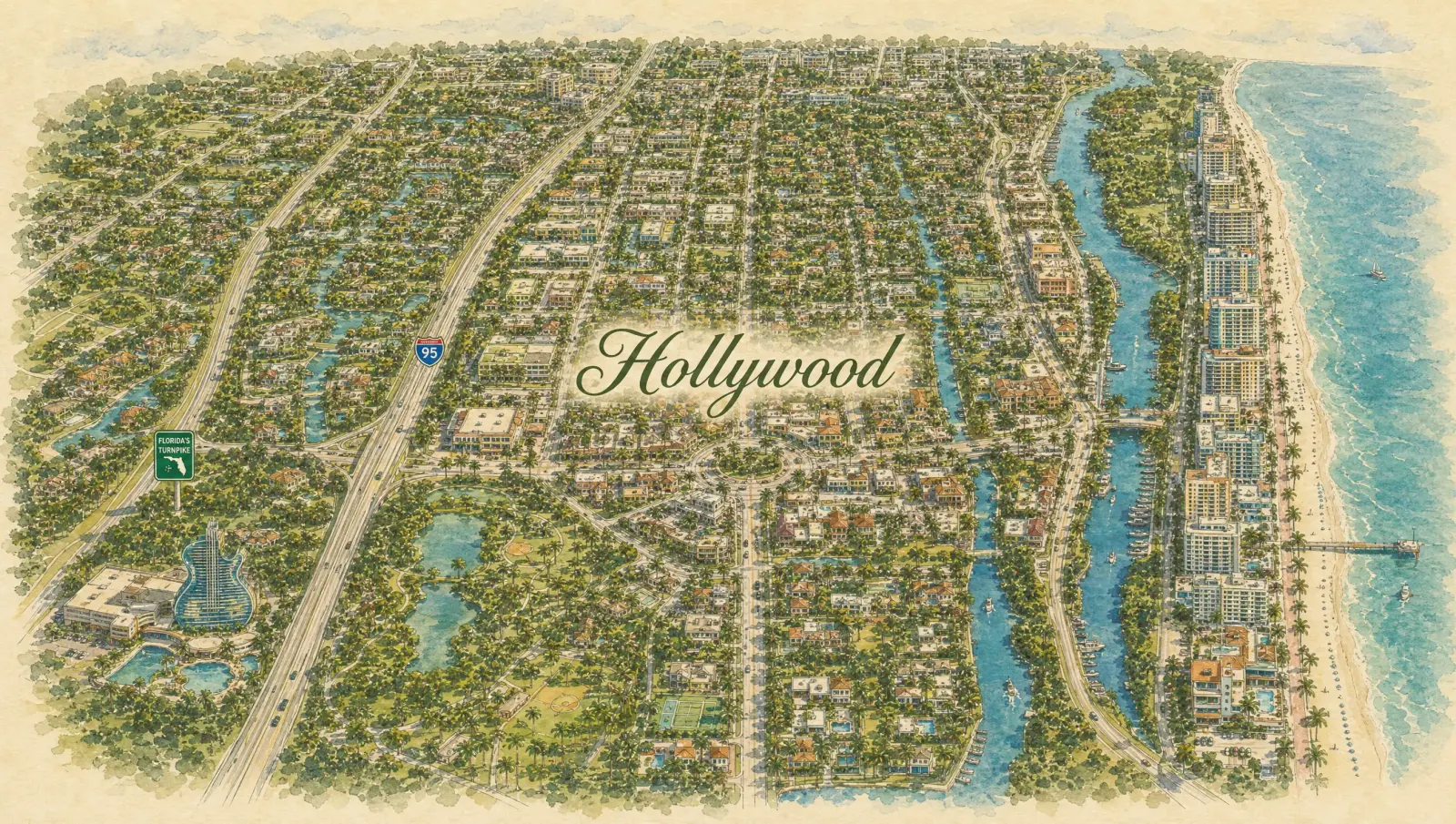
Typical roof lifespan in Hollywood: Most residential roofs last 15+ years in this climate, with tile and standing-seam metal commonly reaching 30+ when properly maintained.
Hollywood sits between Fort Lauderdale and the Miami-Dade line, with a housing stock noticeably older than the newer inland cities in the same county. A good share of it predates the current code cycle, which changes what a roof replacement actually involves: fastening schedules, underlayment standards, and product approvals have all moved since those homes were built, so bringing a roof to current requirements often means work at the deck and edge details rather than a straight like-for-like swap.
Coastal position matters here in the same way it does further north. Homes near the ocean and the Intracoastal take salt-laden air that is hardest on exposed metal. Fastenings, flashing, vents, and edge trim age faster than the field of the roof does. A few miles inland the same roof faces a gentler set of conditions, so where the house sits within the city is a real input to the specification.
Hollywood is in Broward County, inside the Florida High Velocity Hurricane Zone. Products carry approvals for that designation and the installation details are prescribed rather than left to preference. We have worked to those requirements since 1985.
See also service areas, Golden Beach, North Miami, and Miami Beach.
Homes built before the current code cycle often need deck and edge work to reach today's requirements. It is better to establish that during the quote than to discover it once the old roof is off.
Proximity to the ocean and the Intracoastal governs how quickly exposed metal ages. Waterfront jobs get coated or non-ferrous fastenings and closer attention at every penetration.
Hollywood permits through the city, but Broward sits in the same High Velocity Hurricane Zone as Miami-Dade, so approvals and installation details match what we do further south.
Additions, Florida rooms, and carports frequently carry a membrane section alongside a pitched main roof, and the two often reach the end of their service lives at different times.
Our work from nearby South Florida neighborhoods.
Metal roof
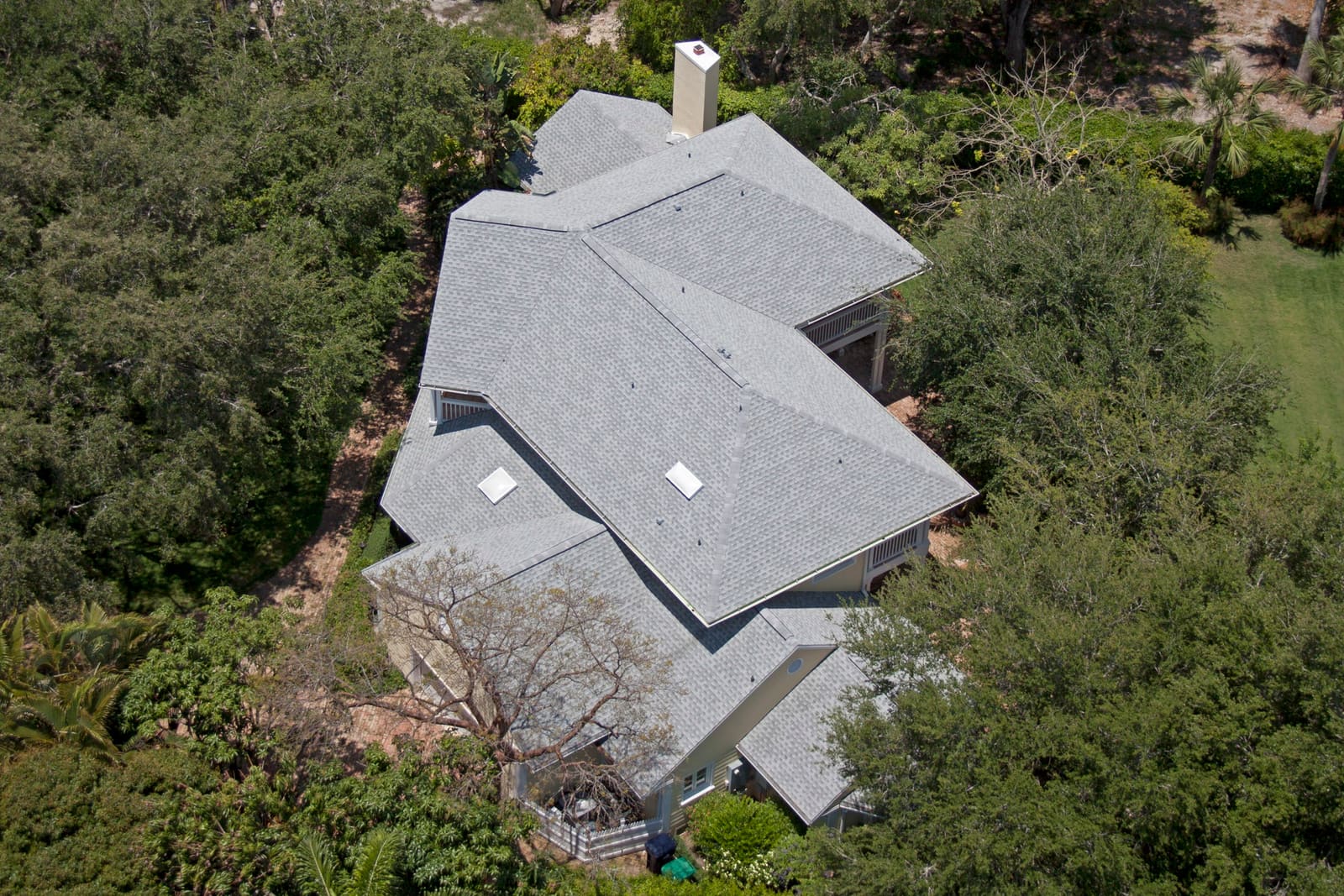
Asphalt shingle roof
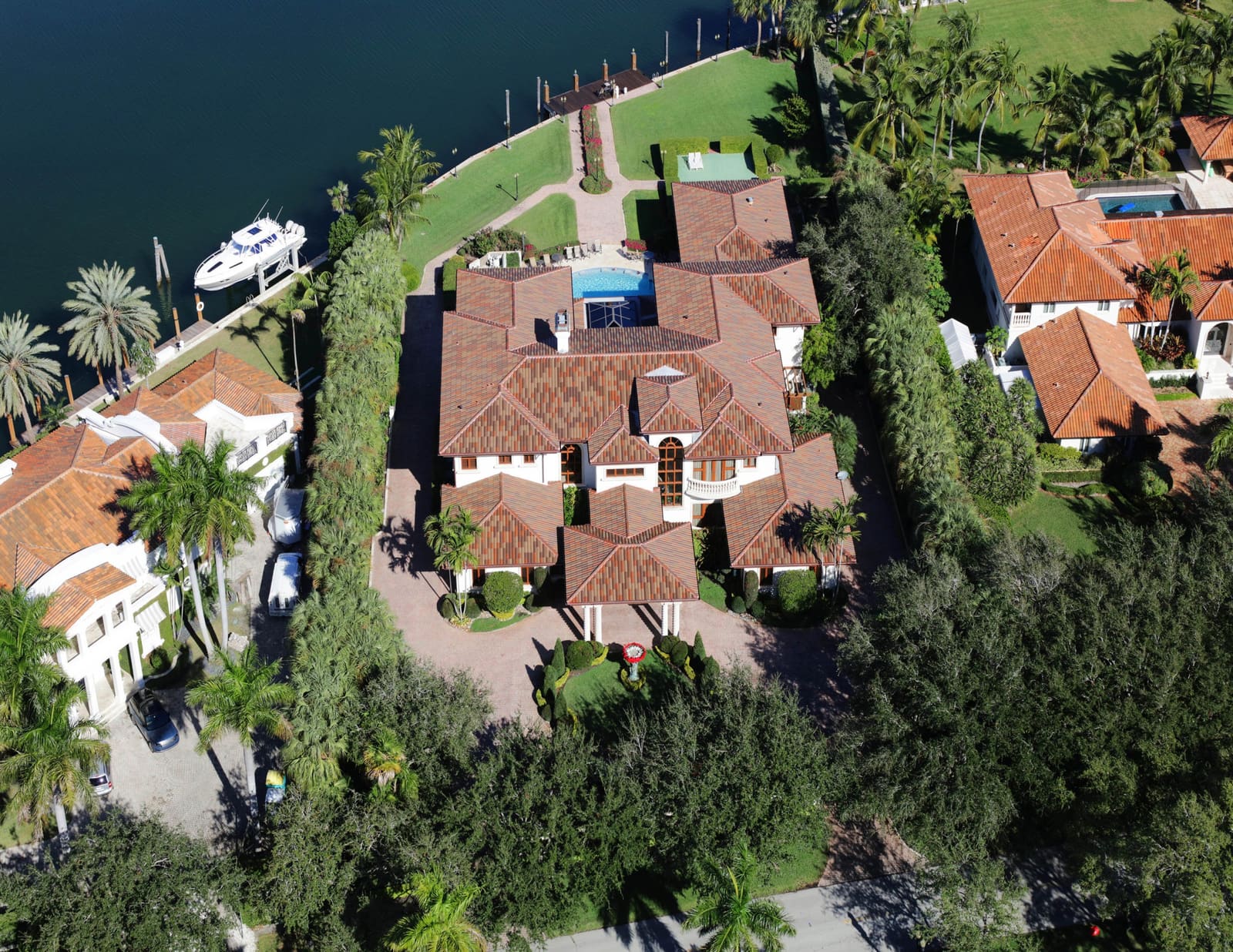
Clay tile roof
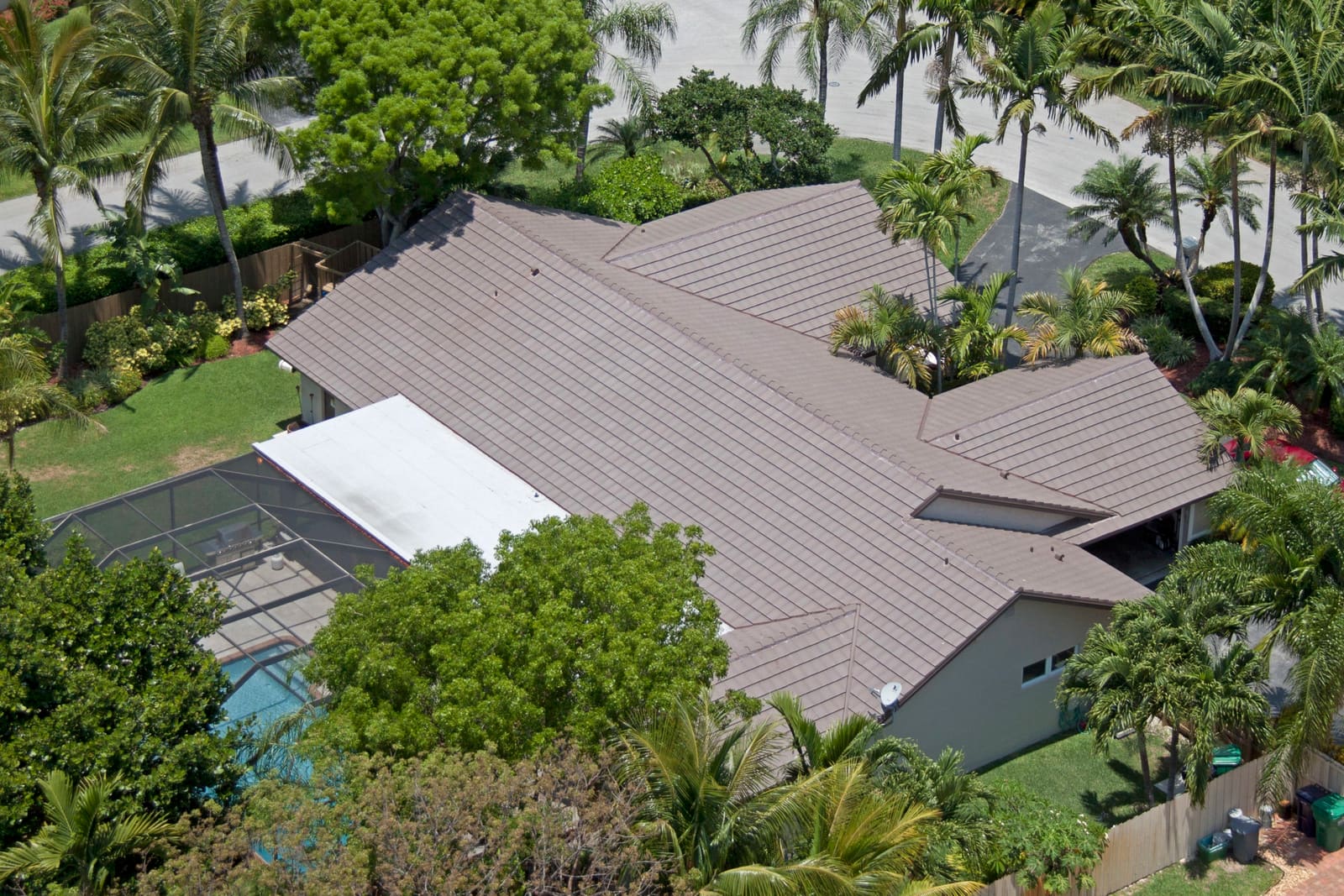
Concrete tile roof
Yes. Our footprint covers Miami-Dade and Broward County, and Hollywood sits on the Broward side along with Fort Lauderdale and Weston. Both counties fall inside the Florida High Velocity Hurricane Zone, so the product approvals and installation requirements are the same either side of the county line.
Often, yes. A good part of Hollywood's housing stock predates the current code cycle, and on those homes a replacement is rarely a like-for-like swap. Fastening schedules, underlayment standards, and product approvals have all moved on, so bringing the roof to current requirements can mean work at the deck and edge details that was not part of the original build. That is normal for older stock and it is better to know about it before the job starts than to find it mid-tear-off.
Most residential roofs here last 15+ years, with tile and standing-seam metal commonly reaching 30+ when installed correctly and maintained. Hollywood is a coastal city, so how close the house sits to the ocean and the Intracoastal affects how quickly exposed fastenings and flashing age. Two roofs of the same age in different parts of the city can be in quite different condition.
Yes, mostly at the details rather than the field of the roof. Salt-laden air is hardest on exposed metal, so fastenings, flashing, vents, and edge trim age faster near the water. We specify coated or non-ferrous fastenings and pay closer attention to penetrations on homes with real coastal exposure.
On an older home the honest first step is establishing what is actually under the existing roof, because that decides how much of the job is replacement and how much is bringing details up to current code. We have been installing and repairing roofs across South Florida since 1985 and work to High Velocity Hurricane Zone requirements throughout.