Phenomenal professional and knowledgeable visit by Ricardo to the point that we are looki g forward to establish the contract after the insurance determination to replace the roof.
a day ago

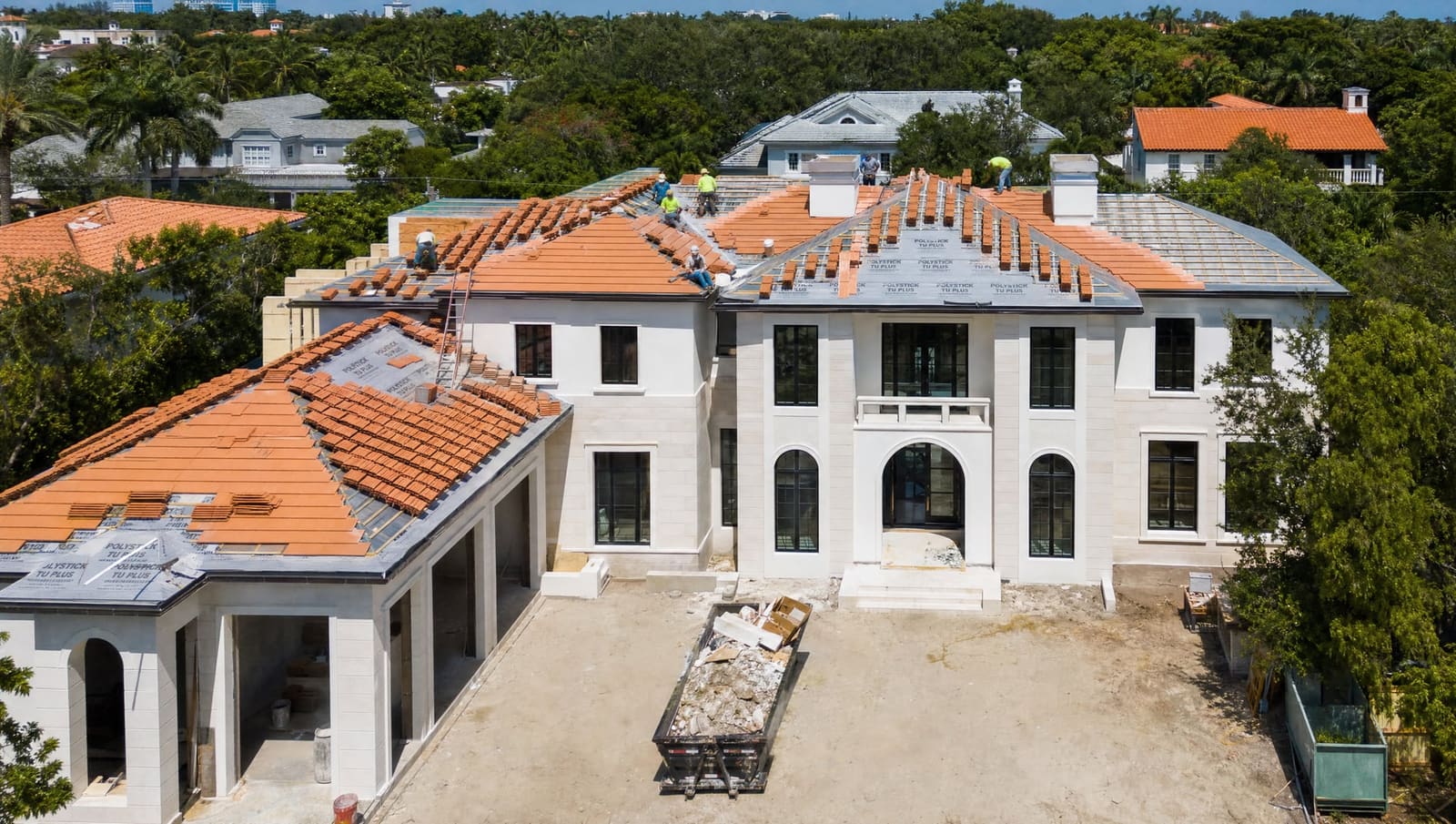
New construction roofing sets the foundation for decades of protection. We coordinate with builders and general contractors across Miami-Dade and Broward to deliver roofing systems designed for South Florida heat, storm exposure, and coastal salt air. Family-owned since 1985, we bring four decades of new construction project experience to every build.
New construction roofing covers the complete roofing system installation on a newly built home, typically completed in a 1- to 3-week dry-in window before interior finishes begin. This includes deck preparation, underlayment, material installation, flashing, ventilation, and final inspection coordination with the general contractor and building department. Istueta has installed new-construction roofs across Miami-Dade since 1985, on every major residential system in use today. For existing-home material-decision context see roof replacement; for the after-handoff service program see roof maintenance.
New construction roofing timelines depend on roof size, material type, and weather.
New construction roofing follows a structured sequence coordinated with the general contractor's schedule. Each step builds on the previous one to deliver a weather-tight roofing system.
Step 1: Pre-installation coordination and material staging. We review architectural plans with the builder, confirm material specifications, verify delivery schedules, and coordinate access timing. Material staging happens on-site the day before installation begins so the crew starts work without delay.
Step 2: Deck inspection and preparation. The crew inspects the roof deck for proper fastening, spacing, and structural integrity. Any gaps, warping, or fastener issues get addressed before underlayment goes down. Deck preparation includes clearing debris and verifying ventilation openings plan. This deck-inspection step is the same discipline we apply on a standalone roof inspection, just sequenced into the build.
Step 3: Underlayment installation. We install the underlayment system specified for the roof type and Miami-Dade HVHZ requirements. Synthetic underlayment goes down in overlapping courses with proper fastening intervals. Valleys, eaves, and penetrations receive additional underlayment layers per code.
Step 4: Flashing and waterproofing details. Flashing gets installed at every roof-to-wall transition, chimney, vent pipe, and valley. We use corrosion-resistant materials appropriate for coastal exposure. Step flashing integrates with the wall assembly; counter-flashing coordinates with the siding or stucco contractor.
Step 5: Primary roofing material installation. The roofing material goes down per manufacturer specifications and Miami-Dade NOA requirements. Fastener type, spacing, and placement follow the approved installation method for the material. Ridge venting and cap installation complete the primary roof surface.
Step 6: Final inspection and builder coordination. We walk the completed roof with the general contractor, verify all penetrations are sealed, confirm ventilation is functional, and coordinate the building department inspection. The roof gets signed off before interior work proceeds.
Step 7: Site cleanup and material removal. All packaging, cutoffs, and staging materials get removed from the site. The crew performs a final debris sweep around the home perimeter and confirms the site is ready for the next trade.

New construction roofing timelines depend on roof size, material type, and weather. A typical single-family residence takes three to seven days from deck inspection to final sign-off. Tile roofs and complex architectural profiles take longer than shingle or flat membrane installations.
Permit requirements vary by jurisdiction. Miami-Dade County requires a roofing permit and HVHZ compliance for all new construction. The general contractor typically pulls the permit as part of the overall building permit package.
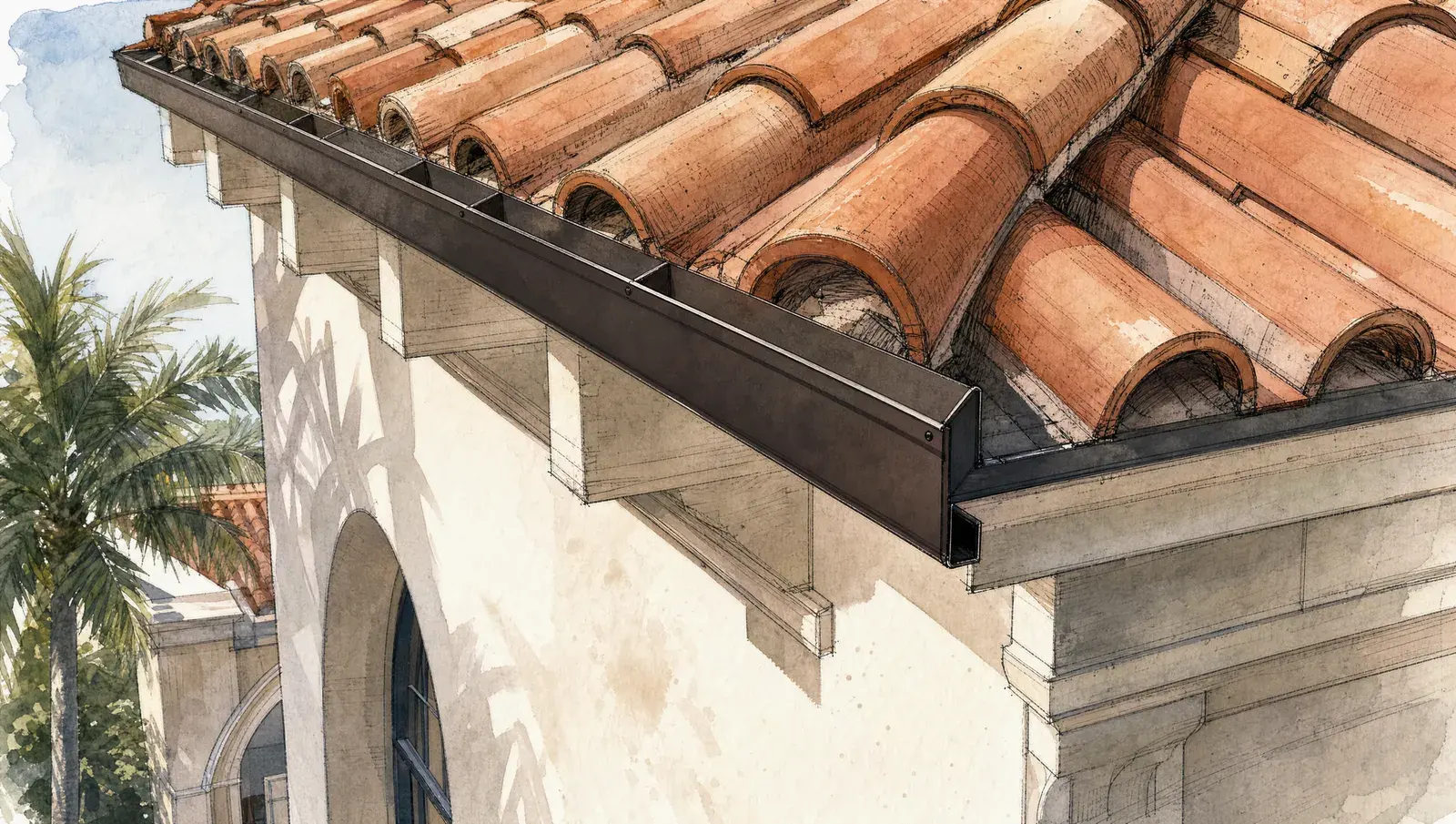
We coordinate the roofing inspection with the building department once installation is complete. The system-integration cross-link is gutters, which we run alongside the roof on most new-construction projects so the eave detail, drip-edge, and downspout discharge are designed together.
Inspection schedule includes a deck inspection before underlayment, a mid-roof inspection after flashing and before final material installation, and a final inspection after completion. The building inspector verifies fastener spacing, flashing details, and ventilation compliance. We coordinate each inspection with the general contractor so the schedule stays on track.

Crew size ranges from three to six installers depending on the roof. Dedicated project management coordinates material delivery, inspection scheduling, and communication with the builder. The owner-qualifier reviews the completed work before the final inspection to confirm installation quality and manufacturer warranty compliance.
New construction is the optimal time to specify the roofing material that fits your home's architectural style, performance requirements, and long-term maintenance expectations. The four primary roof types we install on new construction projects:
New construction roofing warranties depend on proper installation per manufacturer specifications. We hold manufacturer authorizations that allow us to offer extended workmanship and material warranties on new construction projects.
Ludowici Elite Crown and Verea authorizations back our tile roofing installations. These manufacturer programs require documented installation training, adherence to approved fastening methods, and use of specified underlayment systems. We also offer Solatube tubular daylighting and skylight integration during new construction, when roof penetrations are easiest to detail properly.
NRCA membership signals adherence to commercial-grade installation standards applicable to residential new construction. The owner-qualifier structure ensures direct accountability on every project. Manufacturer warranties on materials follow manufacturer terms.
Specific coverage and exclusions are documented in your signed proposal and contract.
Roofing typically happens after framing, sheathing, and rough electrical/plumbing are complete but before interior finishes begin. The roof needs to be weather-tight before drywall, flooring, and cabinetry go in. We coordinate the start date with the general contractor based on the overall construction schedule.
Material changes are possible but require coordination with the builder, architect, and building department. Structural load calculations may need revision if switching from a lighter material like shingles to a heavier material like tile. Permit amendments and plan revisions add time to the schedule.
Warranty terms depend on the material and manufacturer program. Tile and metal roofs often carry 50-year material warranties with up to 12-year workmanship warranties. Shingle roofs typically carry 25- to 30-year material warranties with up to 12-year workmanship coverage. Specific terms are documented in your contract.
Homeowner presence is not required. The general contractor coordinates site access and daily progress updates. We communicate directly with the builder and provide completion photos and inspection documentation once the roof is finished.
We monitor weather forecasts and stage work to minimize exposure. If rain occurs mid-installation, the crew tarps open areas and secures materials. Underlayment provides temporary weather protection until the primary roofing material is installed. Installation resumes once conditions are safe.
New construction is the optimal time to add skylights, solar tubes, and solar panel mounting systems. Roof penetrations are easier to detail and waterproof during initial installation than as retrofits. We coordinate with the skylight or solar contractor to ensure proper flashing and structural support.
Schedule a no-pressure consultation. We walk your roof, review your options, and give you a detailed written proposal.