
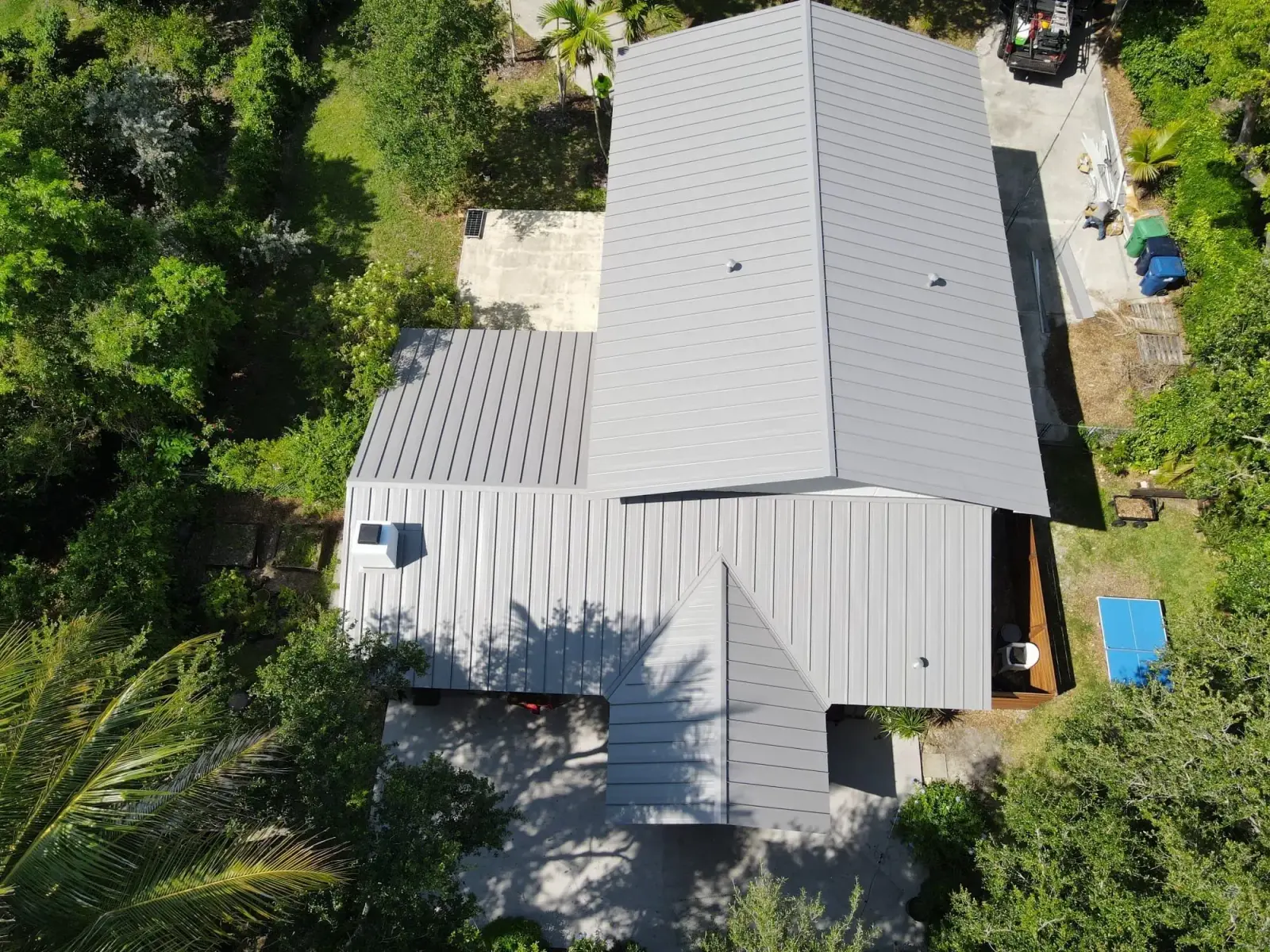
Contemporary • Aluminum roof
Pinecrest Contemporary Aluminum
Contemporary aluminum standing-seam on a Pinecrest residence: clean panel rhythm with concealed clip attachment.
Pinecrest's canopy shapes how roofs perform here. Over 10,000 street trees since 1997 mean debris load, branch-over-roof clearance, and gutter maintenance matter more than in neighborhoods three miles away. We've installed roofs under this canopy since the village incorporated in 1996.
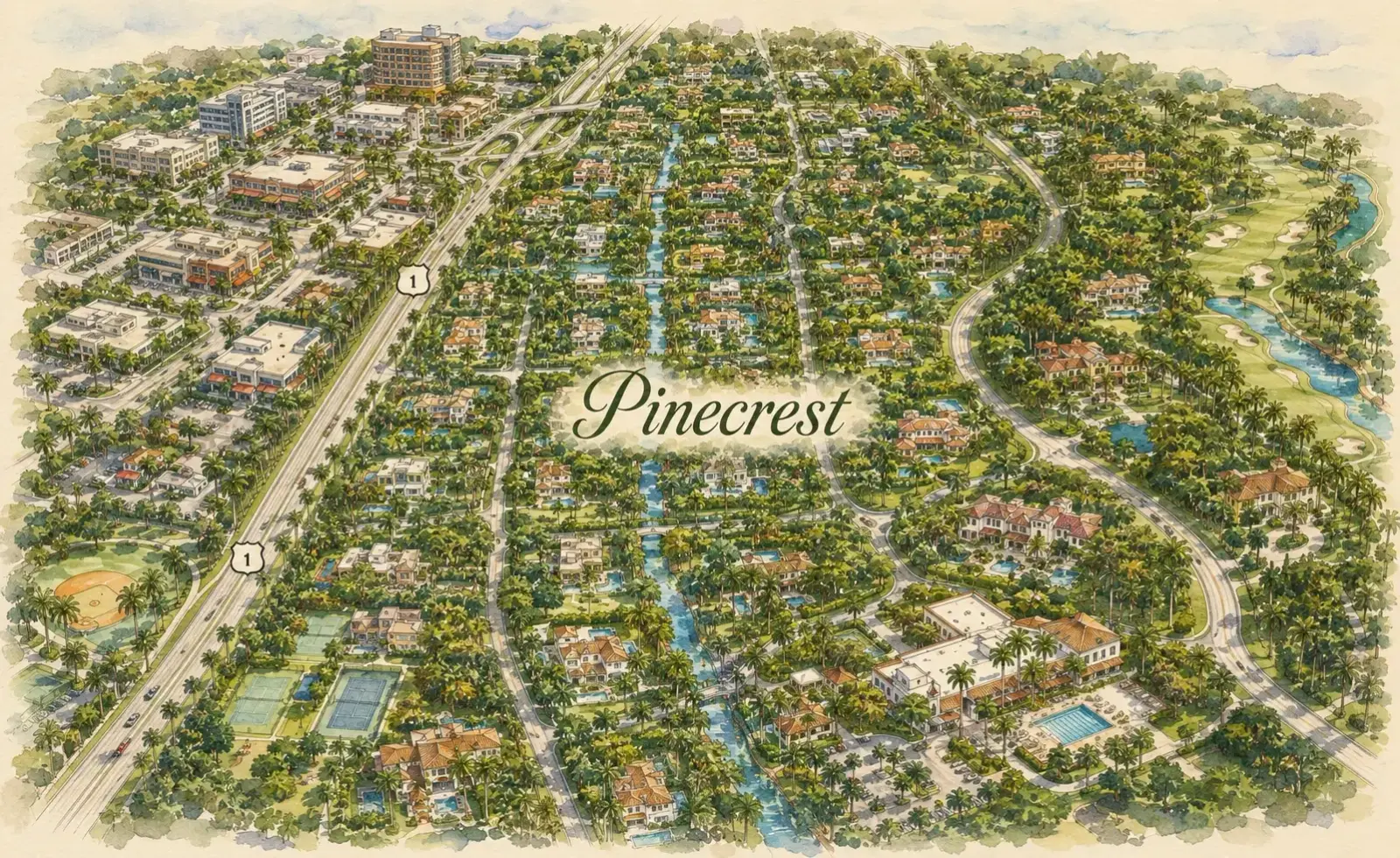
Pinecrest is a suburban village 11 miles southwest of downtown Miami, bordered by U.S. Route 1 to the west and neighboring Coral Gables to the east, South Miami to the north, and Palmetto Bay to the south. The village's 7.45 square miles of land carry a residential building stock shaped by decades of suburban growth. Single-family homes on landscaped lots, mature tree canopy, and a mix of architectural registers from mid-century ranch to contemporary Mediterranean-influenced designs.
The canopy is the defining roofing variable here. Tree City USA designation reflects over 10,000 street trees planted since incorporation, and that density translates to constant organic debris, branch-over-roof proximity, and gutter systems that clog faster than in open-canopy neighborhoods. Roofs in Pinecrest perform under shade, under falling leaves and seed pods, and under the occasional branch contact during storm events.
Material selection and maintenance rhythm adjust accordingly.
Typical roof lifespan in Pinecrest: Most residential roofs last 15+ years in this climate, with tile and standing-seam metal commonly reaching 30+ when properly maintained and detailed for the canopy environment. Asphalt shingles age faster under constant shade and organic load; metal and tile systems with adequate ventilation and debris-clearing access hold up longest.
See also service areas, Coral Gables, Coconut Grove, South Miami, metal roofing galvalume, pinecrest asphalt shingles, pinecrest flat roofing, pinecrest metal roofing, and pinecrest tile roofing.
Tile, metal, asphalt, and flat. Each spoke links to the area-specific deep page. The right call depends on the architecture, the historic district status, and the structural carry.
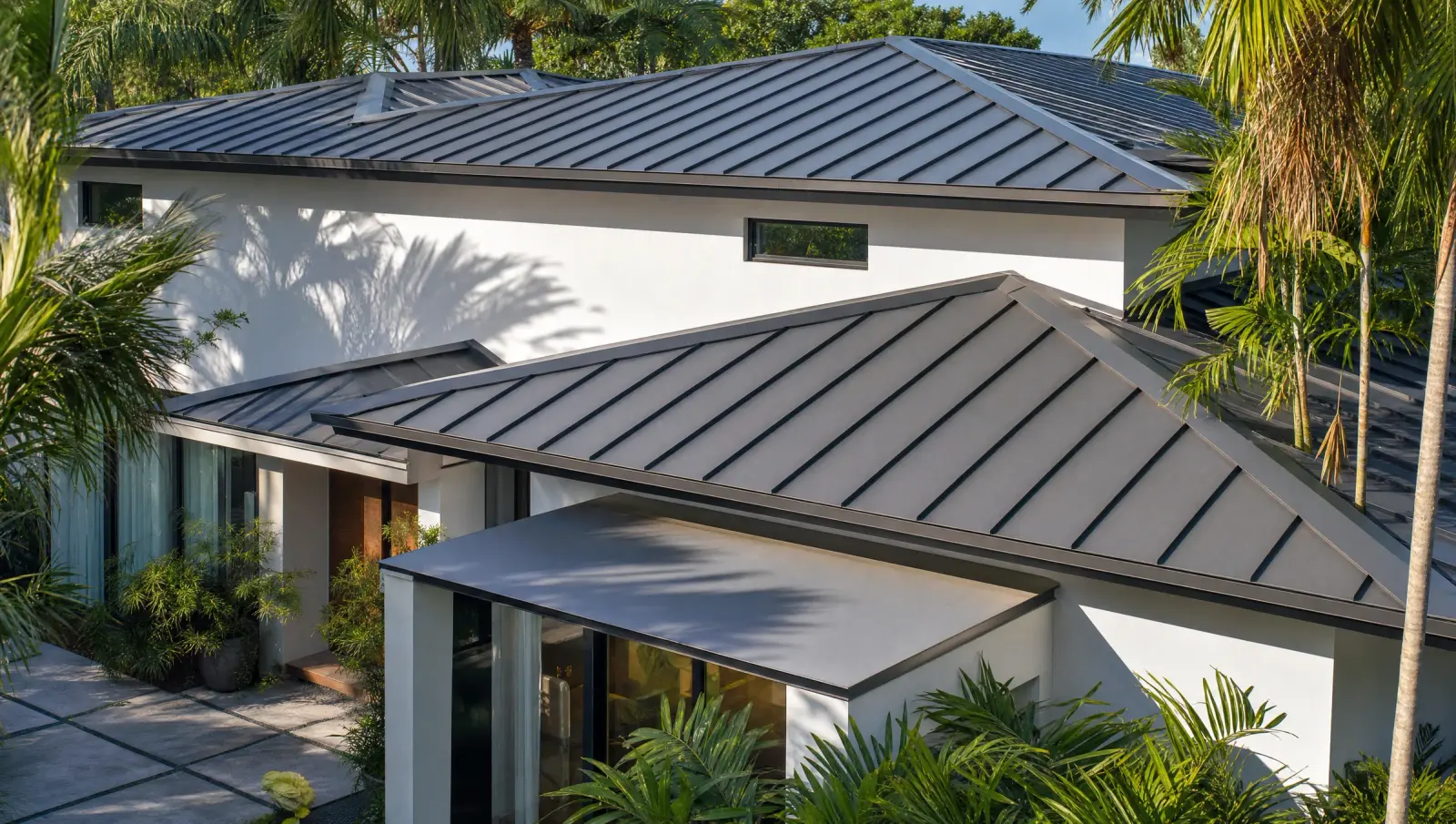
Standing-seam install: concealed clip, HVHZ fastener pattern, coastal-grade.
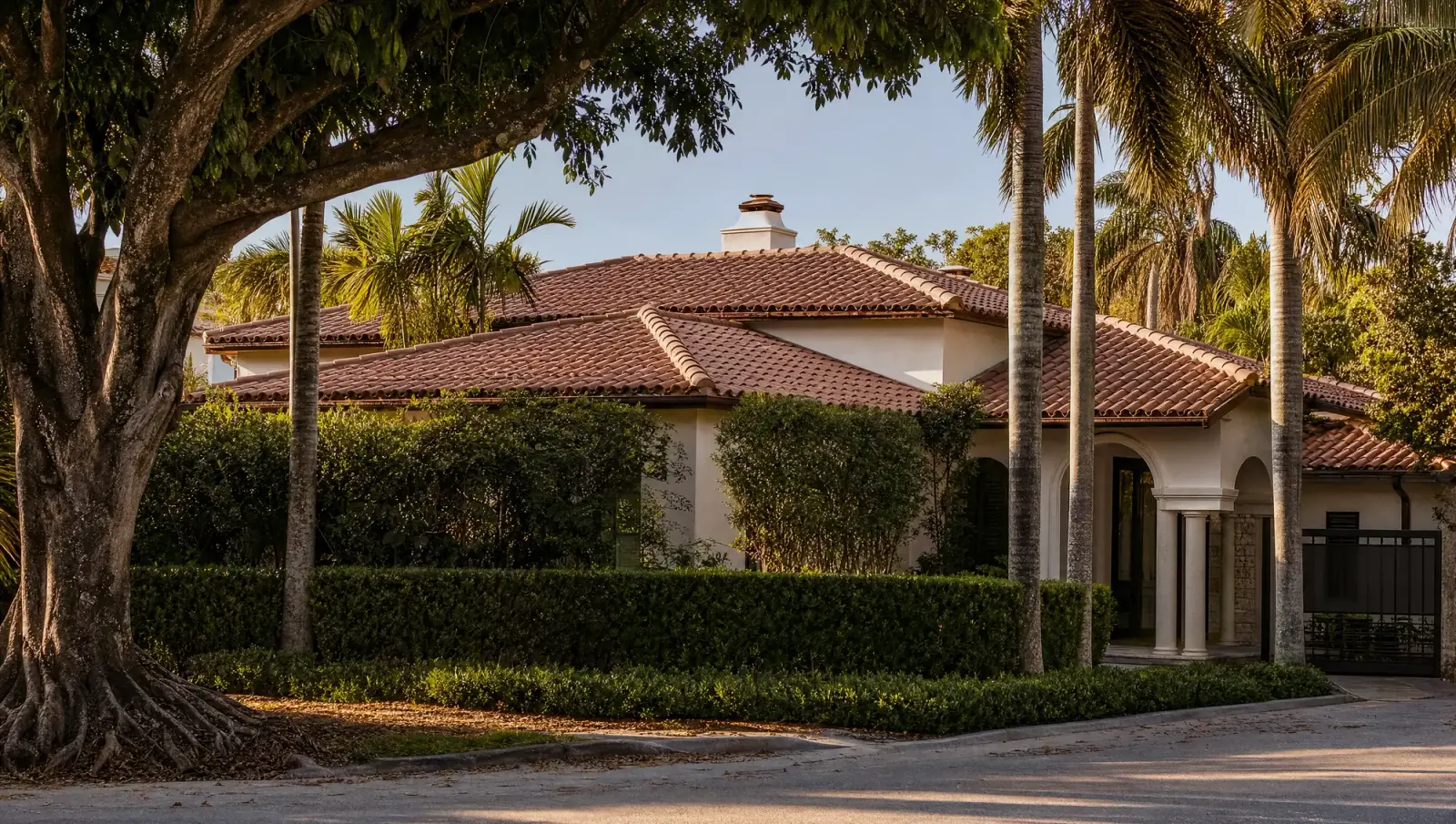
Clay and concrete tile install for Mediterranean Revival and historic-district homes.
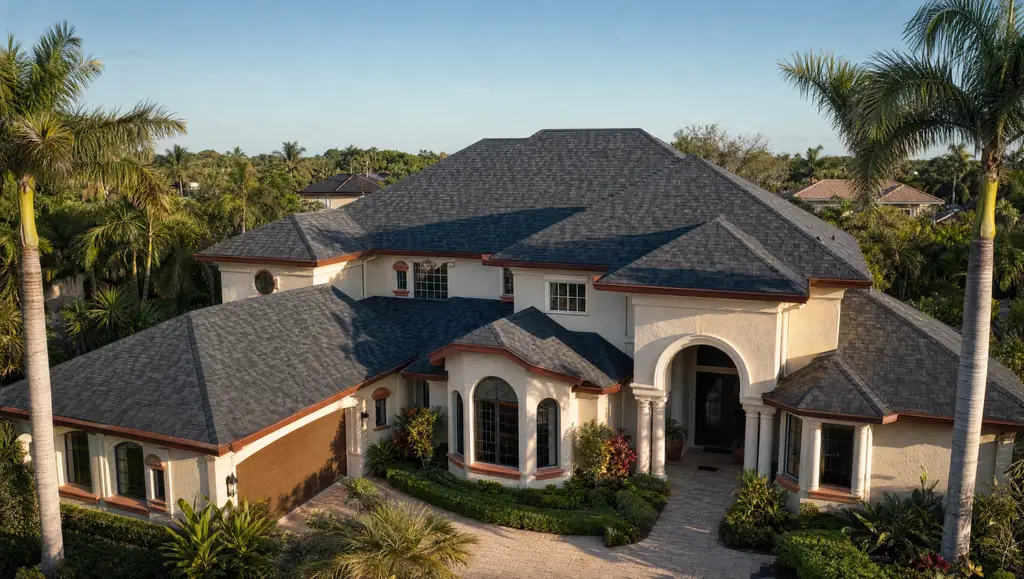
HVHZ-rated install with wind-warranted underlayment for non-historic homes.
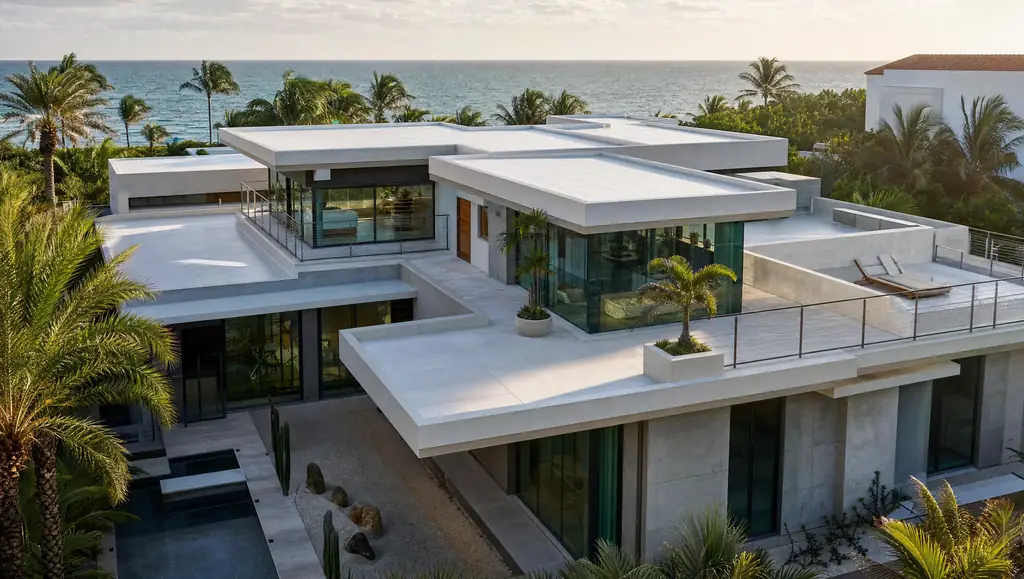
Modified-bitumen and TPO membranes for low-slope homes and additions.
Over 10,000 street trees since 1997 mean roofs here accumulate organic debris faster than in open-canopy neighborhoods. Gutter systems clog more frequently. Branch-over-roof clearance becomes a maintenance and storm-prep concern. Material selection favors profiles that shed debris cleanly (standing-seam metal, smooth tile glazes) over textured surfaces that trap leaves.
Pinecrest's suburban lot patterns (mature landscaping, setbacks, driveways designed for residential scale) affect crane and truck staging for material delivery. Tile and metal panel deliveries require coordination with the homeowner on driveway protection and landscape preservation. Tear-off debris removal follows the same access constraints.
The village's building stock spans mid-century ranch, Mediterranean Revival influences, and contemporary designs. Roof material choice often follows the architectural register. Tile on Mediterranean-influenced homes, standing-seam metal on contemporary builds, architectural shingles on ranch-style stock. The canopy environment applies across all registers; the material detailing adjusts to both architecture and tree proximity.
In August 1992, Pinecrest and the surrounding South Miami-Dade area were devastated by Hurricane Andrew. The village incorporated in 1996, four years after the storm, and much of the post-Andrew building stock reflects the updated wind-load and fastening standards that followed. Roofs installed in the late 1990s and early 2000s often carry the engineering improvements Andrew drove across South Florida.
Recent Pinecrest projects shown first, alongside our work from nearby South Florida neighborhoods.
Contemporary • Aluminum roof
Contemporary aluminum standing-seam on a Pinecrest residence: clean panel rhythm with concealed clip attachment.
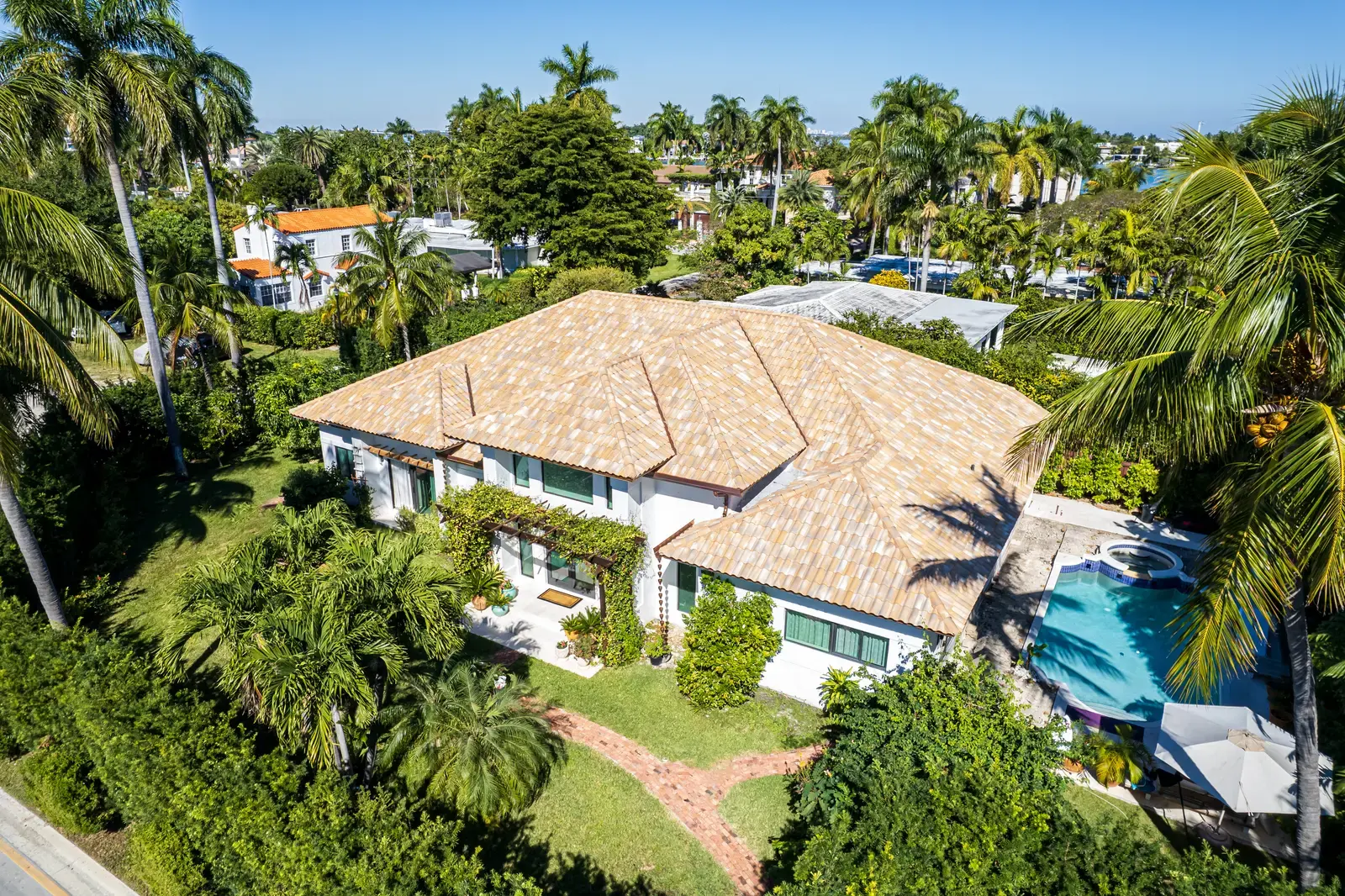
Clay tile roof · representative
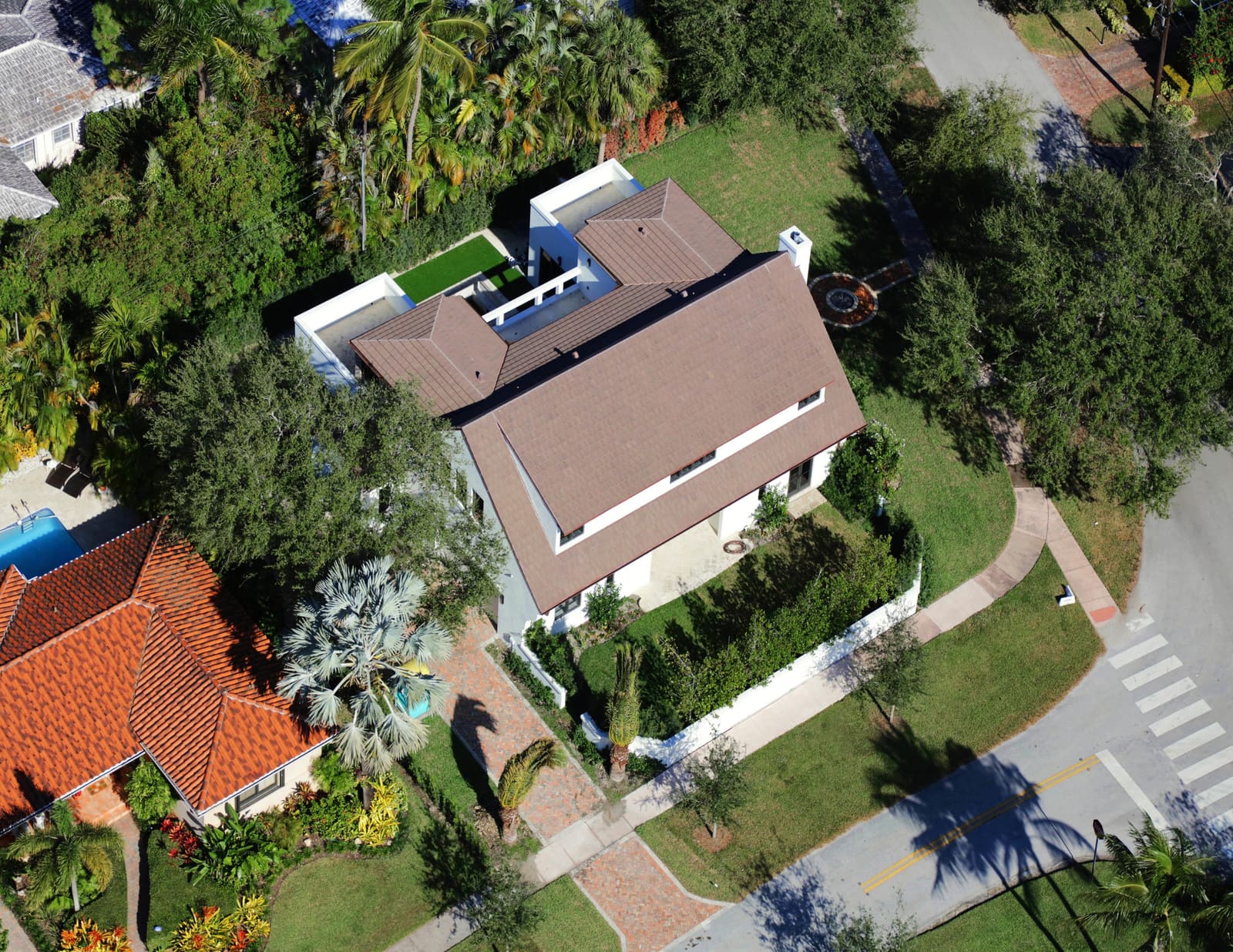
Concrete tile roof · representative
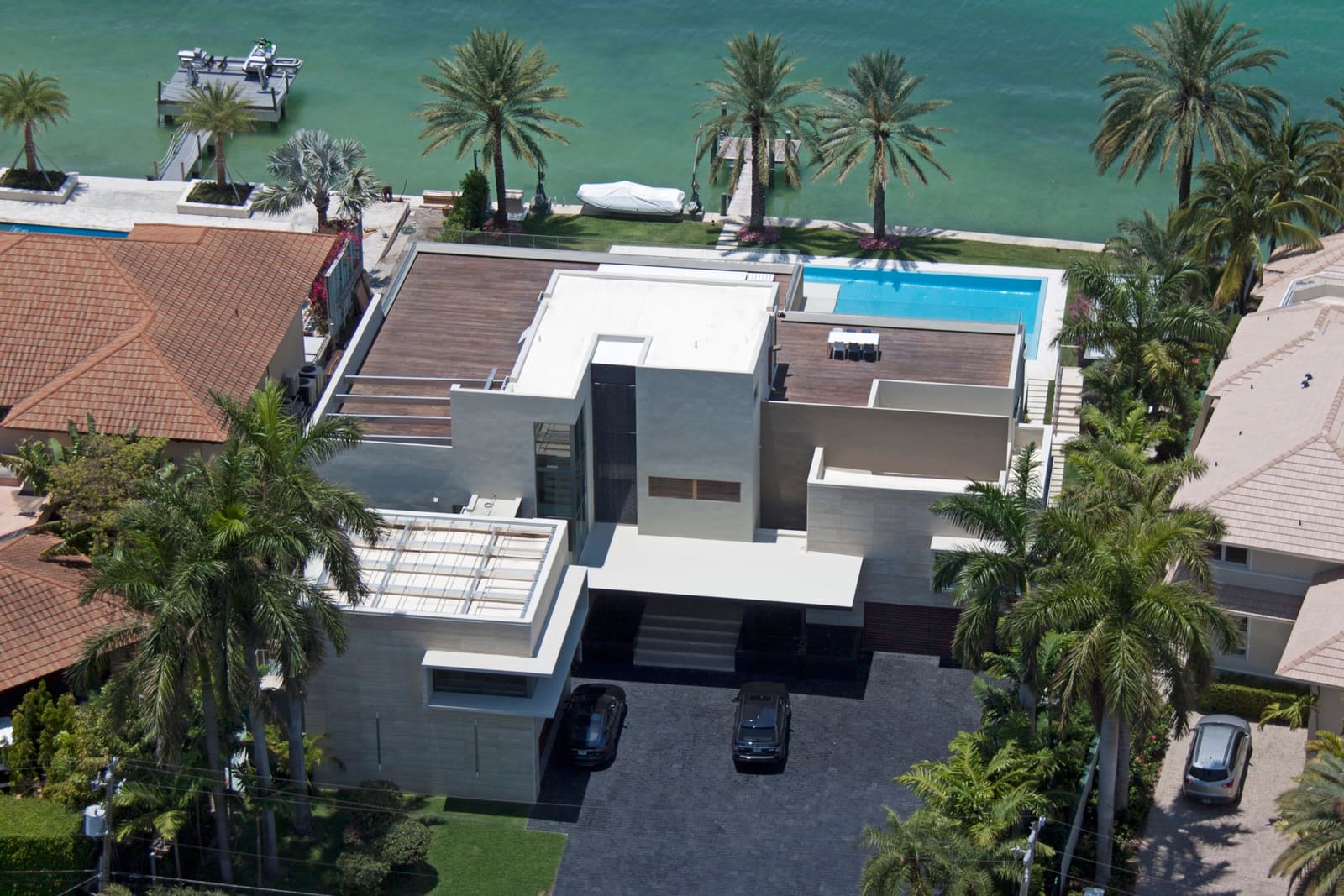
Flat roof · representative
Yes. The village's Tree City USA canopy (over 10,000 street trees since 1997) means roofs here accumulate organic debris faster than in open-canopy neighborhoods. Materials that shed debris cleanly (standing-seam metal, smooth tile glazes) perform better long-term than textured surfaces that trap leaves. Gutter maintenance frequency increases under canopy shade.
Tile and standing-seam metal systems commonly reach 30+ years in Pinecrest when properly maintained and detailed for the canopy environment. Asphalt shingles reach 15+ years under constant shade and organic load. Longevity depends on material choice, installation quality, and maintenance rhythm, particularly debris clearing and gutter upkeep under the canopy.
Pinecrest incorporated in 1996, four years after Hurricane Andrew devastated the area in August 1992. Much of the village's post-Andrew building stock reflects the updated wind-load and fastening standards that followed the storm. Roofs installed in the late 1990s and early 2000s often carry the engineering improvements Andrew drove across South Florida: concealed-clip fastening, enhanced underlayment, and stricter permitting.
We start with a site visit to assess the existing roof, measure the canopy proximity, and evaluate access for material staging. The proposal documents material choice, scope of work, and timeline. Tear-off and installation follow Miami-Dade permitting and inspection requirements. Debris removal coordinates with the homeowner on driveway protection and landscape preservation. The process typically takes three to seven days depending on roof size and material complexity.
We walk you through material options, canopy considerations, and the scope of work so you can make the best decision for your home. Call us at (305) 967-4078 or reach out through the contact form.