
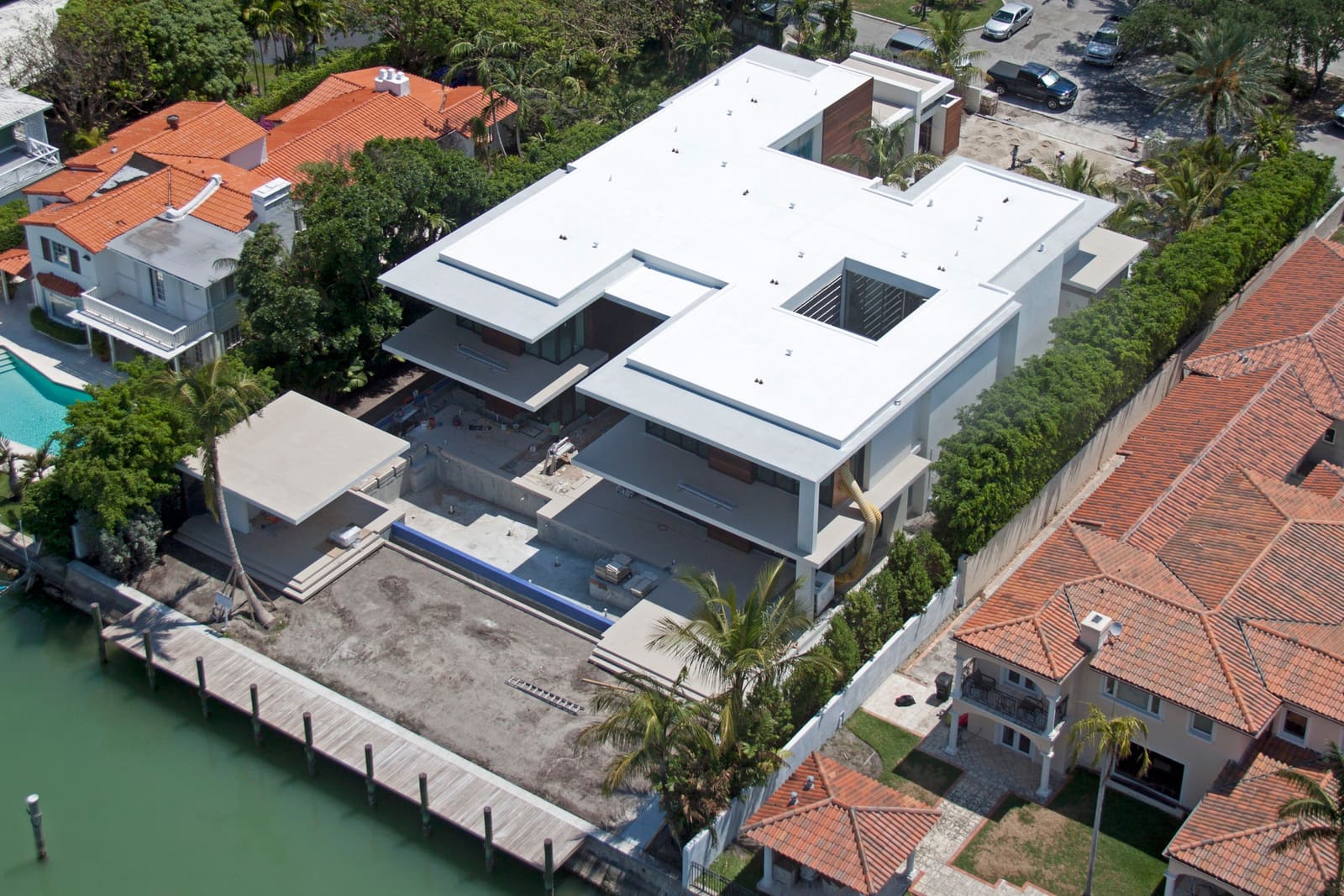
Flat roof
Miami Gardens is a city in north-central Miami-Dade County, incorporated in 2003 from neighborhoods including Carol City, Norland, and Scott Lake. The residential building stock here spans mid-century single-family homes to newer construction, with roofing systems shaped by the city's position 16 miles north of downtown Miami and its proximity to both I-95 and the Broward County line.
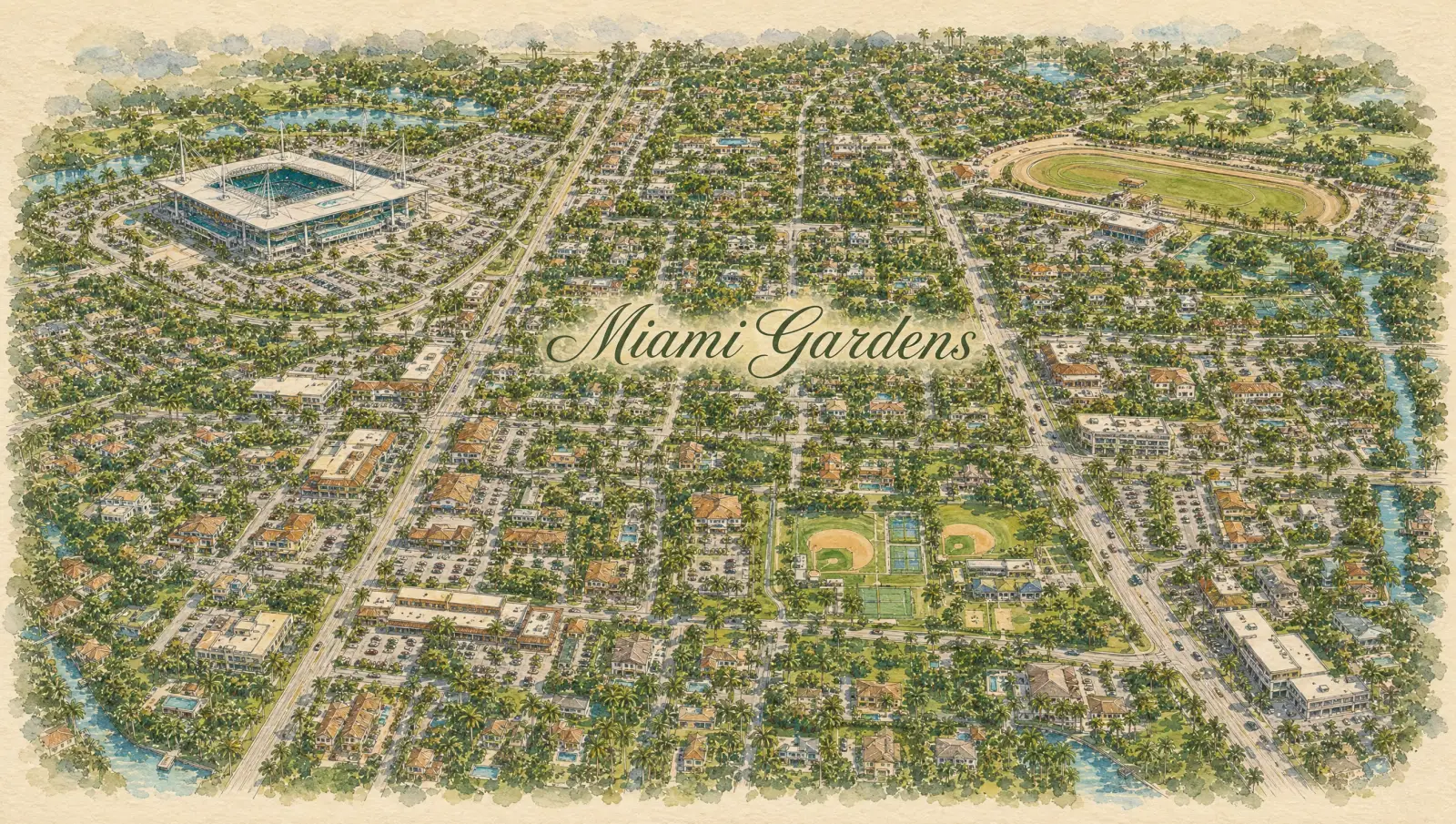
Miami Gardens incorporated in 2003, consolidating seven previously unincorporated neighborhoods into a single municipality. The building stock reflects decades of residential development. Ranch-style homes from the 1960s and 1970s alongside newer subdivisions built to current Florida Building Code wind standards.
Inland position means roofs here face wind-driven rain and HVHZ uplift requirements without the accelerated corrosion that coastal salt air brings. Asphalt shingles perform well when properly fastened. Flat membrane systems suit the area's commercial and multi-family inventory.
Metal roofing (aluminum, galvalume, copper) delivers multi-decade service when detailed for South Florida's thermal cycling and afternoon storms.
We've worked across the city's neighborhoods since the area was still unincorporated Miami-Dade County. The roofing discipline is the same: proper fastening, code-compliant underlayment, and flashing that keeps water outside the building envelope.
See also service areas, Coral Gables, Pinecrest, Coconut Grove, North Miami, and Miami Shores.
Miami Gardens falls within the High Velocity Hurricane Zone. Every roofing system must meet Miami-Dade Notice of Acceptance wind-uplift testing. Fastening patterns, underlayment, and edge details are code-mandated, not optional.
Many of the area's older homes carry original plywood or board decking from the 1960s and 1970s. We inspect the deck before quoting. Delaminated plywood or water-damaged sheathing gets replaced before the new roof goes on.
Mature trees in neighborhoods like Norland and Scott Lake drop debris year-round. Valleys and low-slope sections collect leaves and organic matter. Regular clearing prevents standing water and premature membrane degradation.
Residential lots vary in size and driveway width. In Carol City and Bunche Park, narrow streets and mature landscaping require careful crane positioning and material staging. We coordinate with homeowners on access routes and protection for existing landscaping before the crew arrives.
Our work from nearby South Florida neighborhoods.
Flat roof
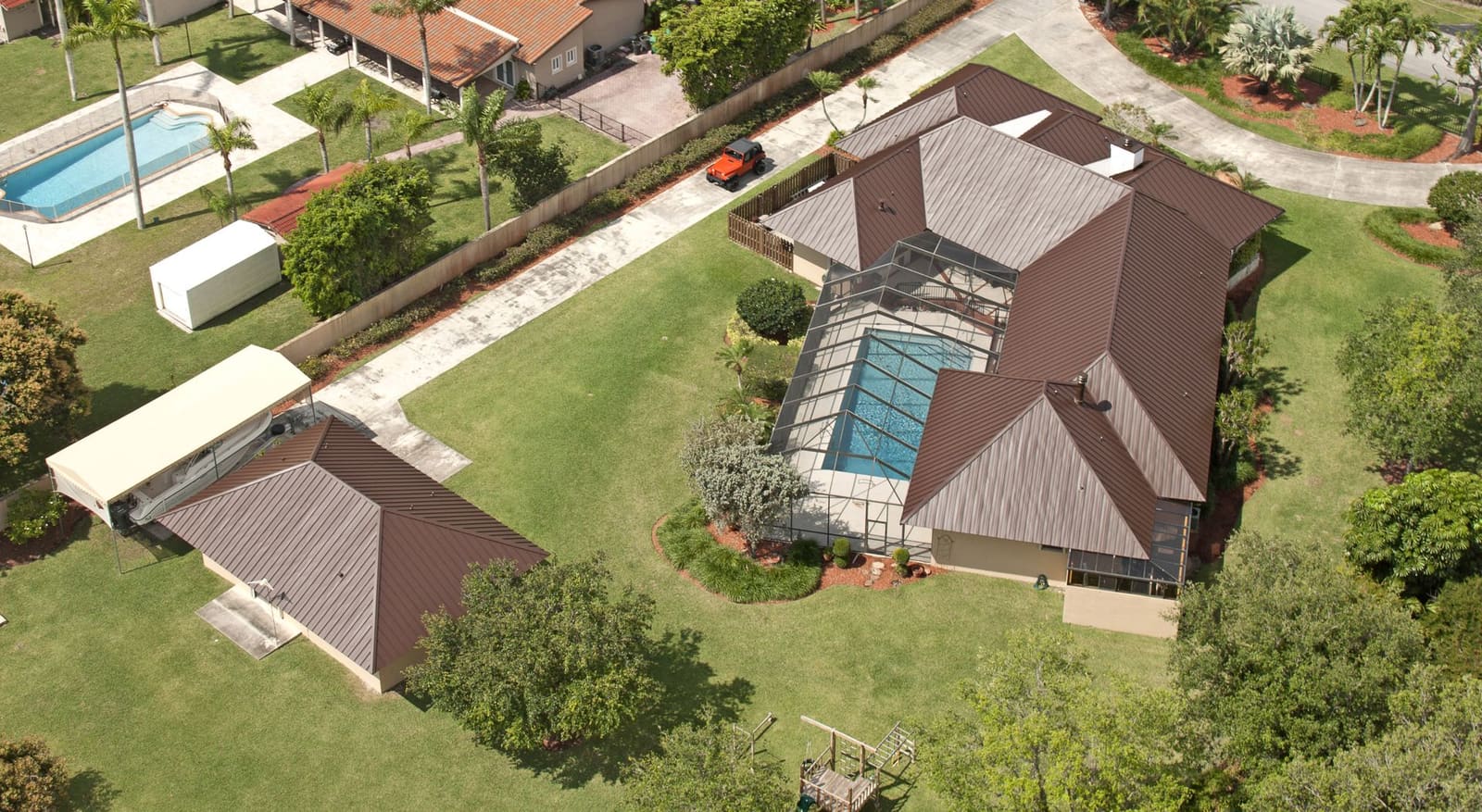
Metal roof

Asphalt shingle roof
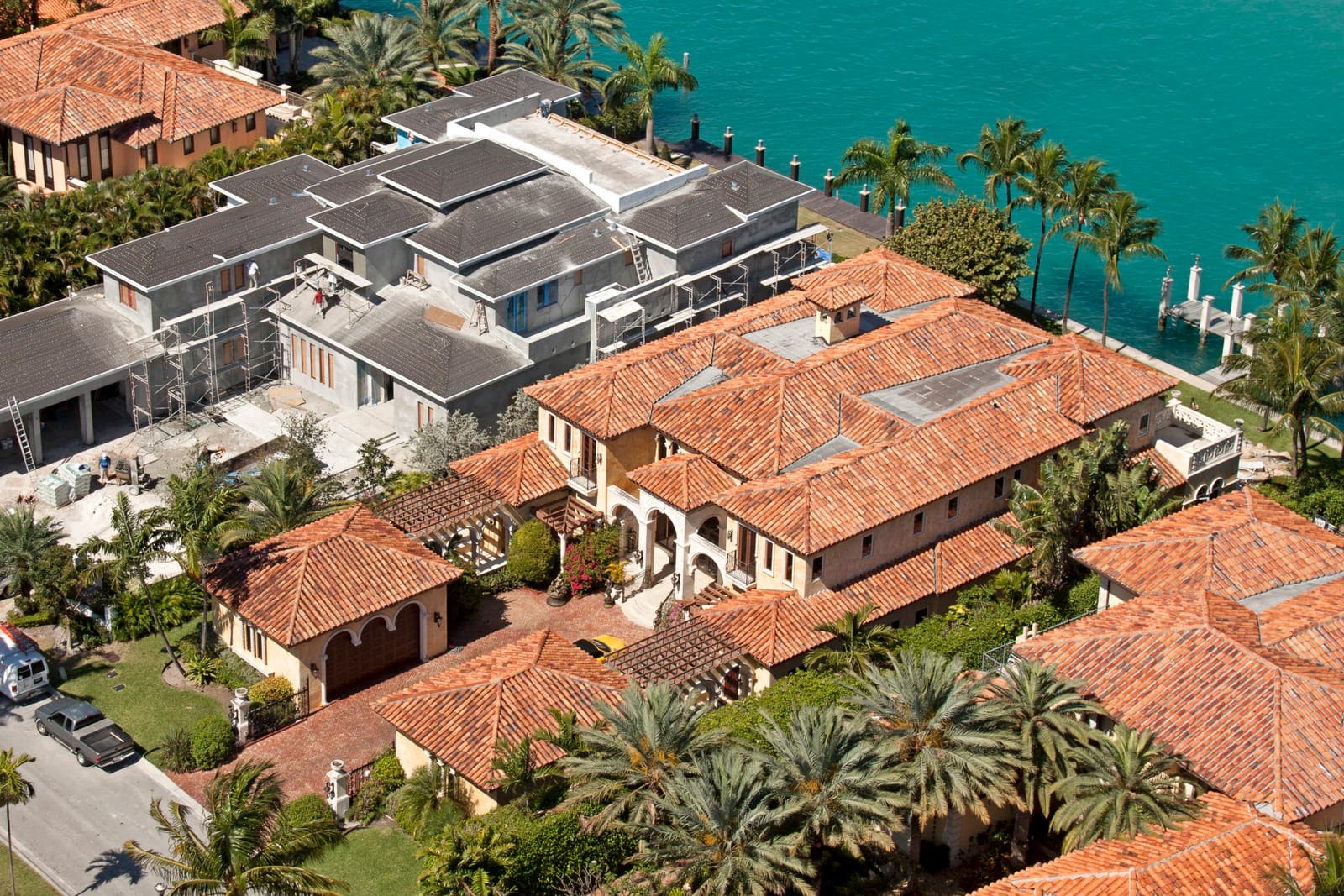
Clay tile roof
Yes. The city falls within the High Velocity Hurricane Zone. Every roofing system must carry a Miami-Dade Notice of Acceptance and meet the wind-uplift requirements in the Florida Building Code. Fastening patterns, underlayment weight, and edge detailing are all code-mandated.
It depends on the existing structure and your budget. Many mid-century homes carry asphalt shingles; a like-for-like replacement is straightforward. If the deck is sound and you want longer service life, standing-seam metal or concrete tile are both viable. We inspect the deck and roof framing before recommending a material.
Once a year, ideally before hurricane season. We check flashing, clear debris from valleys, and look for early signs of wear: lifted shingles, cracked sealant, or ponding water on flat sections. Catching small issues early prevents expensive repairs later.
Yes. We pull the permit, coordinate inspections with Miami-Dade Building and Zoning, and ensure the installation meets all code requirements. You receive copies of the signed-off permit and final inspection report.
We've installed roofing systems across Miami Gardens since 1985. If you're planning a replacement, a repair, or new construction, we'll walk you through the options and answer your questions. Call us at (305) 671-9190.