Sophia was very informative as to what I was looking for in roof repairs if needed and solar fans for the roof plus gutters. Enjoyed her knowledge.
a month ago
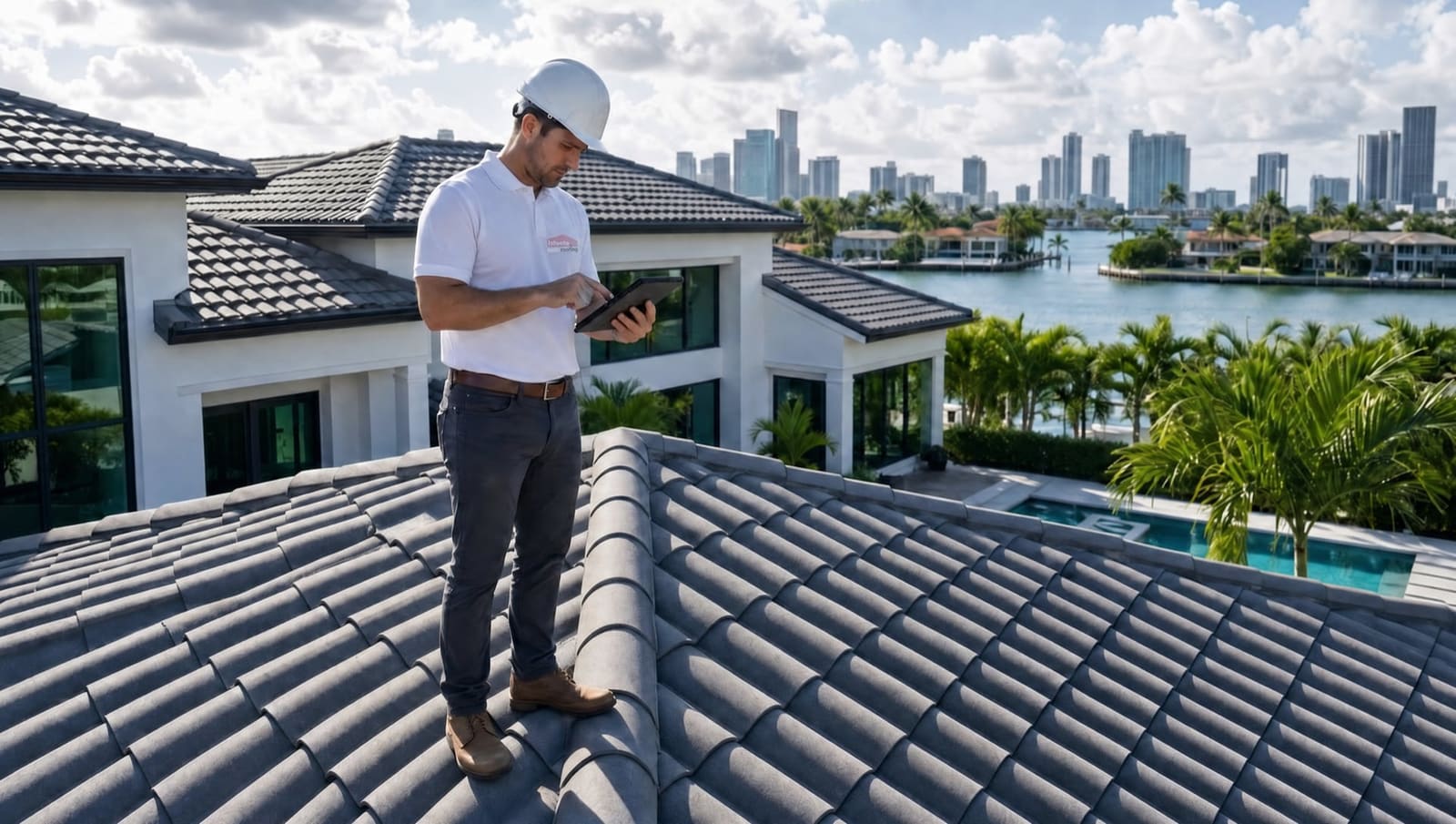
A roof inspection identifies issues before they become costly repairs. Across Miami-Dade and Broward, we conduct thorough roof assessments that help homeowners understand their roof's condition and plan for long-term protection. Family-owned since 1985, we bring decades of experience to every inspection.
A residential roof inspection in South Florida typically takes 60 to 90 minutes for a single-story home and 90 to 120 minutes for a two-story or complex layout. We examine your roof's structural integrity, weatherproofing, and remaining service life, assessing deck condition, fastener security, flashing performance, drainage flow, and material wear patterns specific to this region's heat, humidity, and storm exposure. You receive a written report with findings, photos, and recommended next steps, typically within 1 to 2 business days.
A typical residential roof inspection takes one to two hours, depending on roof size, complexity, and accessibility.
Our inspection process follows a structured sequence designed to catch issues early and give you clarity about your roof's condition.
Step 1: Exterior visual assessment from ground level. We walk the property perimeter to identify visible damage, sagging, missing materials, or drainage concerns. This establishes the baseline before we access the roof.
Step 2: Roof surface access and material evaluation. We climb onto the roof to inspect material condition up close. For tile, we check for cracks, slippage, and underlayment exposure. For metal, we examine fastener integrity, seam condition, and corrosion.
For shingles, we assess granule loss, curling, and wind damage. For flat roofs, we inspect membrane seams, ponding areas, and penetration seals.
Step 3: Deck and structural inspection. We probe the deck for soft spots, rot, or water intrusion. We check rafter alignment, truss condition, and any signs of structural movement. South Florida's humidity accelerates wood deterioration, so we pay close attention to ventilation and moisture patterns.
Step 4: Flashing and penetration review. We inspect every roof penetration: chimneys, vents, skylights, HVAC units, and pipe boots. Flashing failures are a leading cause of leaks in coastal environments. We verify that all flashing is properly sealed, mechanically fastened, and free from corrosion.
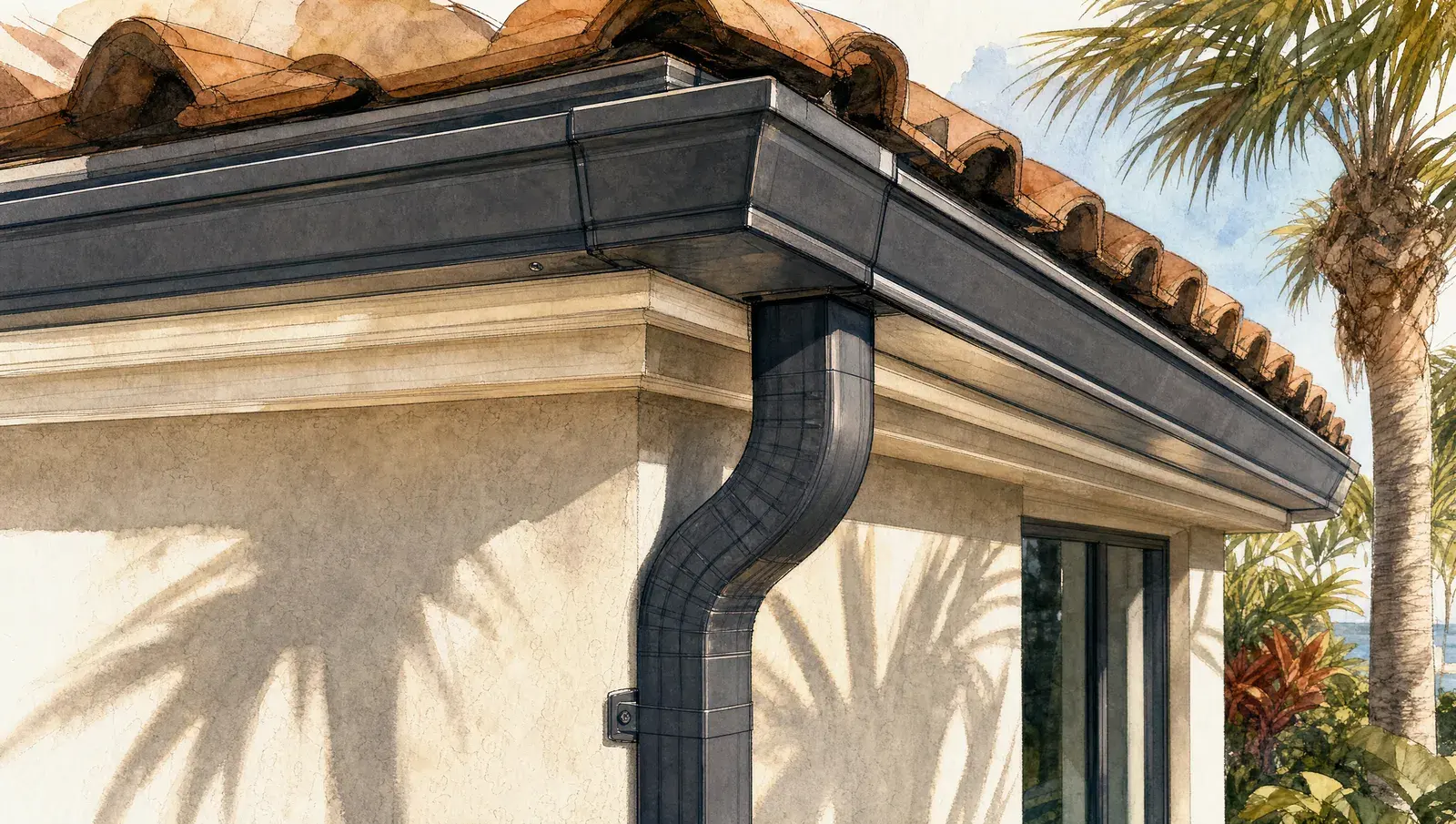
Step 5: Drainage and gutter evaluation. We assess gutter condition, downspout flow, and roof drainage patterns. Ponding water shortens roof life and creates leak risk. We identify any areas where water isn't shedding properly.
Step 6: Attic and interior inspection. We enter the attic to check for water stains, mold, inadequate ventilation, and insulation issues. Interior ceiling stains often reveal leaks that aren't visible from the roof surface.
Step 7: Written report with photos and recommendations. You receive a detailed report documenting our findings, including photos of problem areas, an assessment of remaining roof life, and prioritized roof repair or roof replacement recommendations. We explain what needs immediate attention and what can wait, and what fits under an ongoing roof maintenance program.
A typical residential roof inspection takes one to two hours, depending on roof size, complexity, and accessibility. We schedule inspections during daylight hours when lighting conditions allow thorough evaluation.
No permit is required for a roof inspection in Miami-Dade or Broward. Inspections are non-invasive assessments that don't alter the roof structure. If our inspection reveals issues requiring roof repair, those repairs may require permits depending on scope.
Our inspection team consists of experienced roofing consultants who understand South Florida's coastal exposure, HVHZ requirements, and material performance patterns. We're not sales staff conducting a quick walk-through. We're trained to identify issues that matter and explain them clearly.
You'll receive your written inspection report within 48 hours. The report includes condition ratings, photos of problem areas, an estimate of remaining roof life, and a prioritized list of recommended actions. We walk you through the findings by phone or in person, answer your questions, and help you understand your options.
Most roof inspections apply across roof types, but the material on your home shapes what we look for and how we assess condition. Here are the four primary roof categories we inspect, with links to detailed material pages:
Our inspection team holds manufacturer certifications across the major roofing systems installed in South Florida. We're certified applicators for CertainTeed, Ludowici, Tremco, and other leading manufacturers, which means we understand how these systems are designed to perform and what failure patterns to watch for.
When our inspection identifies roof repair needs, those repairs are backed by our workmanship warranty. Manufacturer warranties on materials remain in effect per manufacturer terms. Specific coverage and exclusions are documented in your signed proposal and contract.
We're members of the National Roofing Contractors Association (NRCA), which establishes industry standards for inspection protocols, safety practices, and professional conduct. Our inspection process follows NRCA guidelines adapted for South Florida's coastal environment.
We recommend annual inspections for roofs over 10 years old, and after any major storm event. South Florida's heat, humidity, and storm exposure accelerate roof aging. Annual inspections catch small issues before they become expensive repairs.
Most homeowners insurance policies do not cover routine inspections. However, if you're filing a claim for storm damage, your insurer may require an inspection as part of the claims process. We provide detailed inspection reports that meet insurance documentation requirements.
We can conduct a limited ground-level inspection using binoculars and drone photography, but a thorough assessment requires roof access. Walking the roof allows us to probe the deck, test fasteners, check flashing seals, and identify issues not visible from the ground.
A roof inspection assesses current condition and identifies issues. A roof certification is a formal document stating that the roof meets specific criteria (often required for real estate transactions or insurance). Certifications typically require the roof to have a minimum remaining service life and be free from defects.
Inspection pricing varies based on roof size, accessibility, and complexity. We provide upfront pricing before scheduling. If you proceed with recommended repairs, we often credit the inspection fee toward the repair cost.
You receive a written report detailing the issues, their severity, and recommended solutions. We prioritize findings into immediate concerns, near-term repairs, and long-term planning items. You're under no obligation to proceed with repairs through us, but we're available to answer questions and provide repair estimates if you choose.
Schedule a no-pressure consultation. We walk your roof, review your options, and give you a detailed written proposal.