

Asphalt shingle roof
Miami Beach sits on barrier islands between the Atlantic Ocean and Biscayne Bay. The salt air, the wind exposure, and the architectural register here shape what a roof must do. We've worked on these islands since 1985.
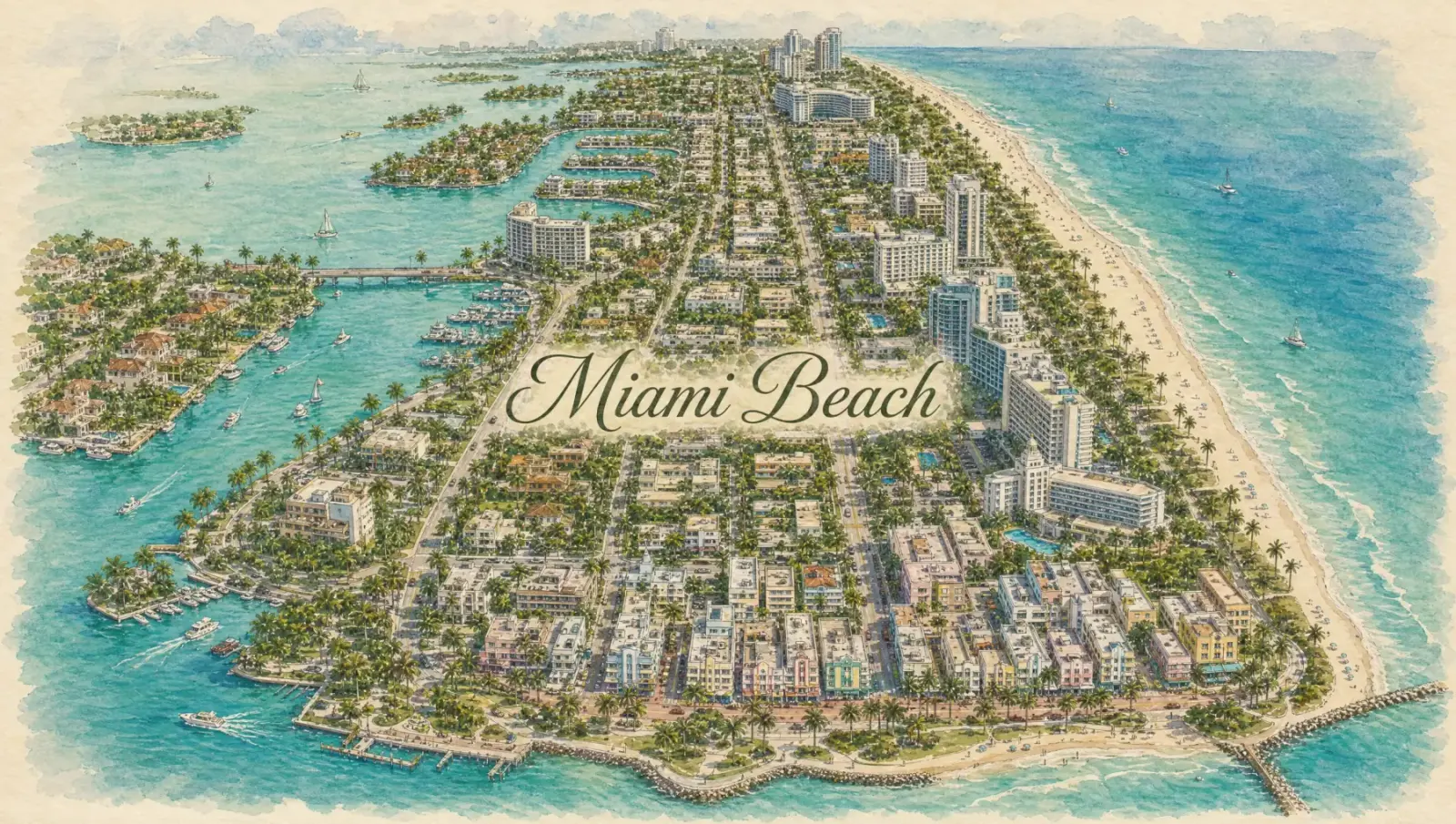
Miami Beach's Art Deco Historic District was listed on the National Register of Historic Places in 1979. The District comprises hundreds of hotels, apartments, and other structures built between 1923 and 1943. Mediterranean, Streamline Moderne, and Art Deco are all represented.
The Historic District is bounded by the Atlantic Ocean on the east, Lenox Court on the west, 6th Street on the south, and Dade Boulevard along the Collins Canal to the north. The movement to preserve the architectural heritage was led by former interior designer Barbara Baer Capitman.
Roofing here means working within design-review constraints, respecting the architectural register, and detailing for salt air. The barrier-island exposure accelerates corrosion on fasteners and flashings. Material selection matters.
Installation discipline matters more.
Typical roof lifespan in Miami Beach: Most residential roofs last 15+ years in this coastal climate. Tile and standing-seam metal commonly reach 30+ years when properly maintained and detailed for salt-air exposure.
See also service areas, Coral Gables, Pinecrest, Coconut Grove, miami beach asphalt shingles, miami beach flat roofing, miami beach metal roofing, and miami beach tile roofing.
Tile, metal, asphalt, and flat. Each spoke links to the area-specific deep page. The right call depends on the architecture, the historic district status, and the structural carry.
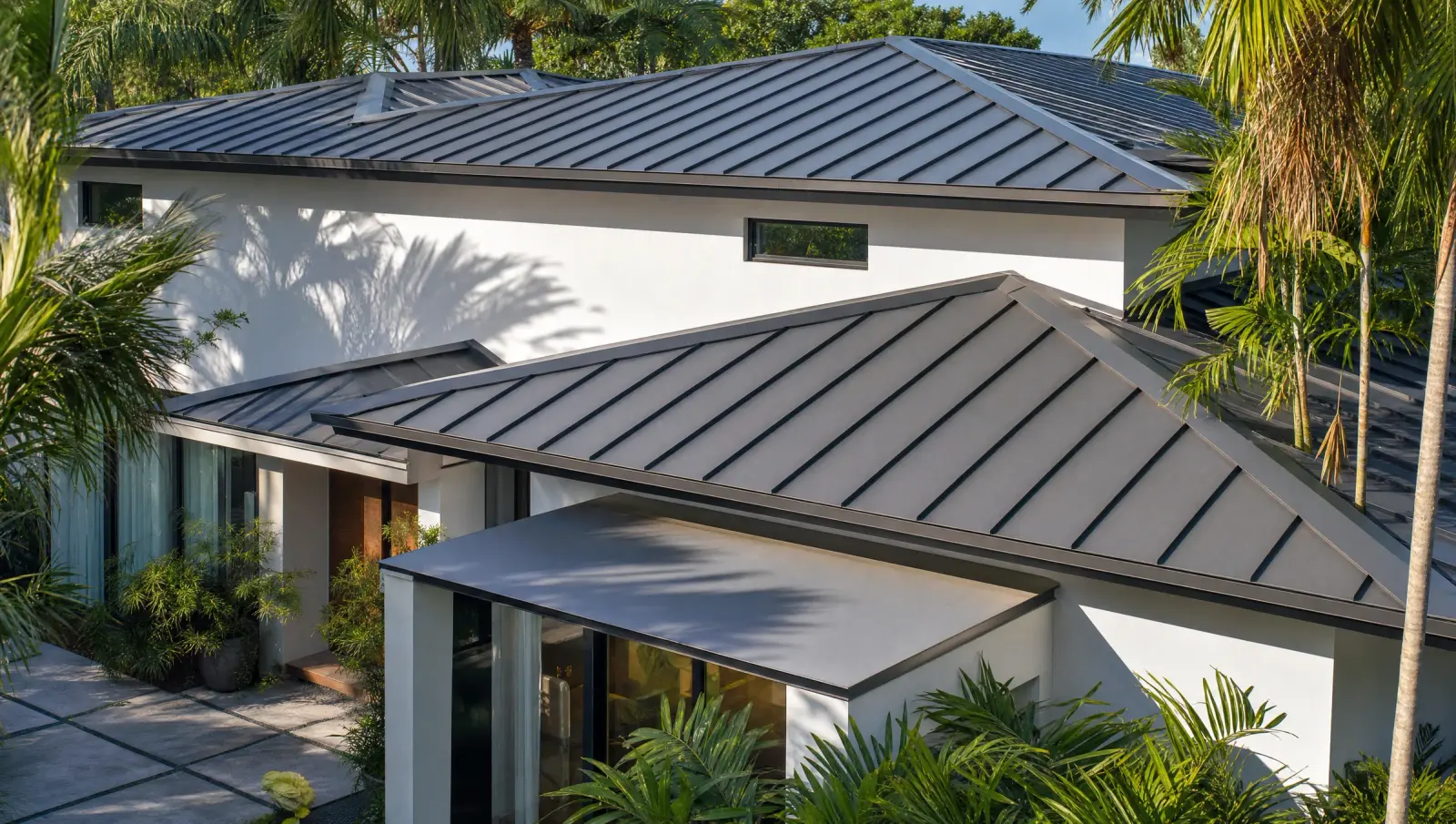
Standing-seam install: concealed clip, HVHZ fastener pattern, coastal-grade.
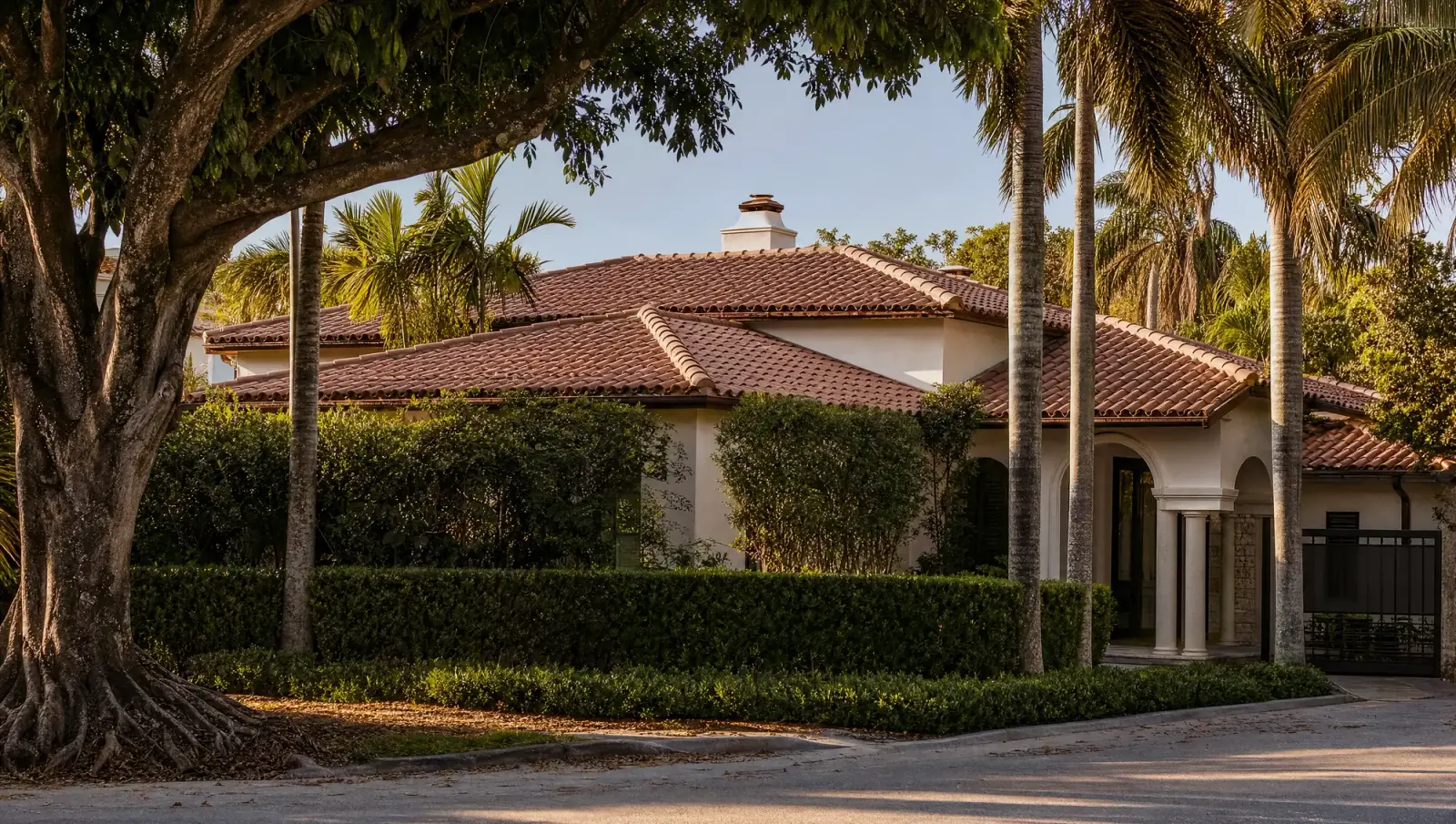
Clay and concrete tile install for Mediterranean Revival and historic-district homes.
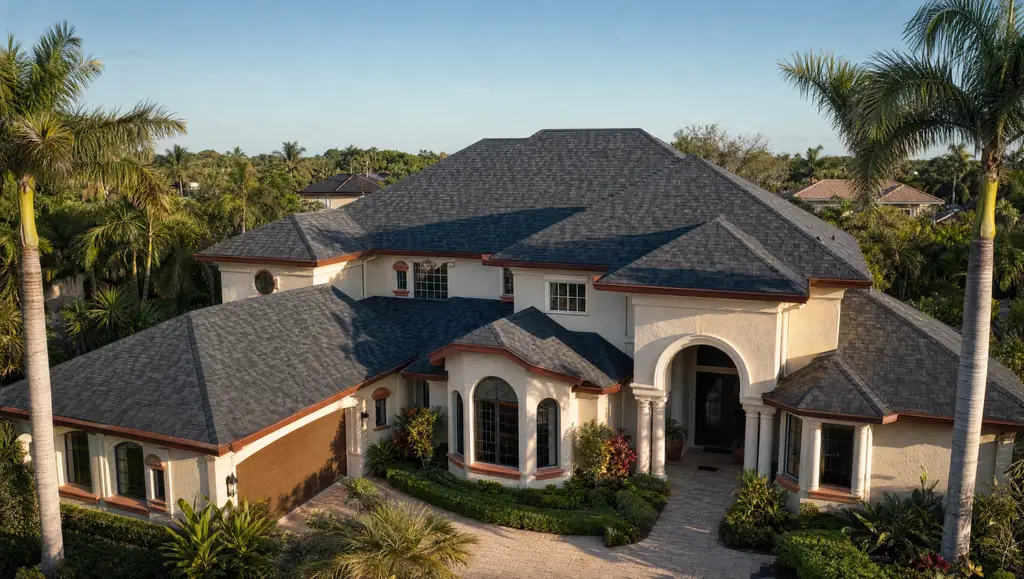
HVHZ-rated install with wind-warranted underlayment for non-historic homes.
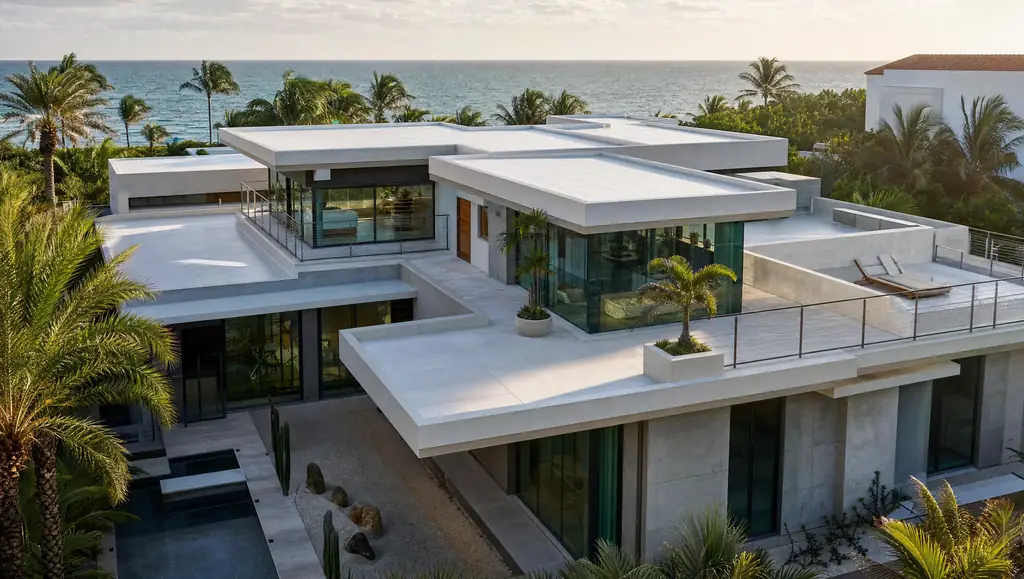
Modified-bitumen and TPO membranes for low-slope homes and additions.
The Art Deco Historic District requires design-review approval for exterior alterations including roofing. Material, color, and profile must align with the architectural character of the structure. We work with the local design-review process to secure approvals before installation begins.
The barrier-island location between the Atlantic Ocean and Biscayne Bay exposes roofs to constant salt-air drift. Fasteners, flashings, and metal components corrode faster here than inland. Stainless-steel fasteners, corrosion-resistant coatings, and proper detailing extend material lifespan.
Miami Beach sits in the High Velocity Hurricane Zone. Roofing systems must meet Miami-Dade NOA wind-uplift testing. Fastener schedule, underlayment attachment, and edge detailing are code-mandated and inspector-verified.
Narrow lots, limited street parking, and proximity to neighboring structures complicate crane and truck staging. We coordinate access logistics with property managers and municipal permitting before mobilization.
Our work from nearby South Florida neighborhoods.
Asphalt shingle roof
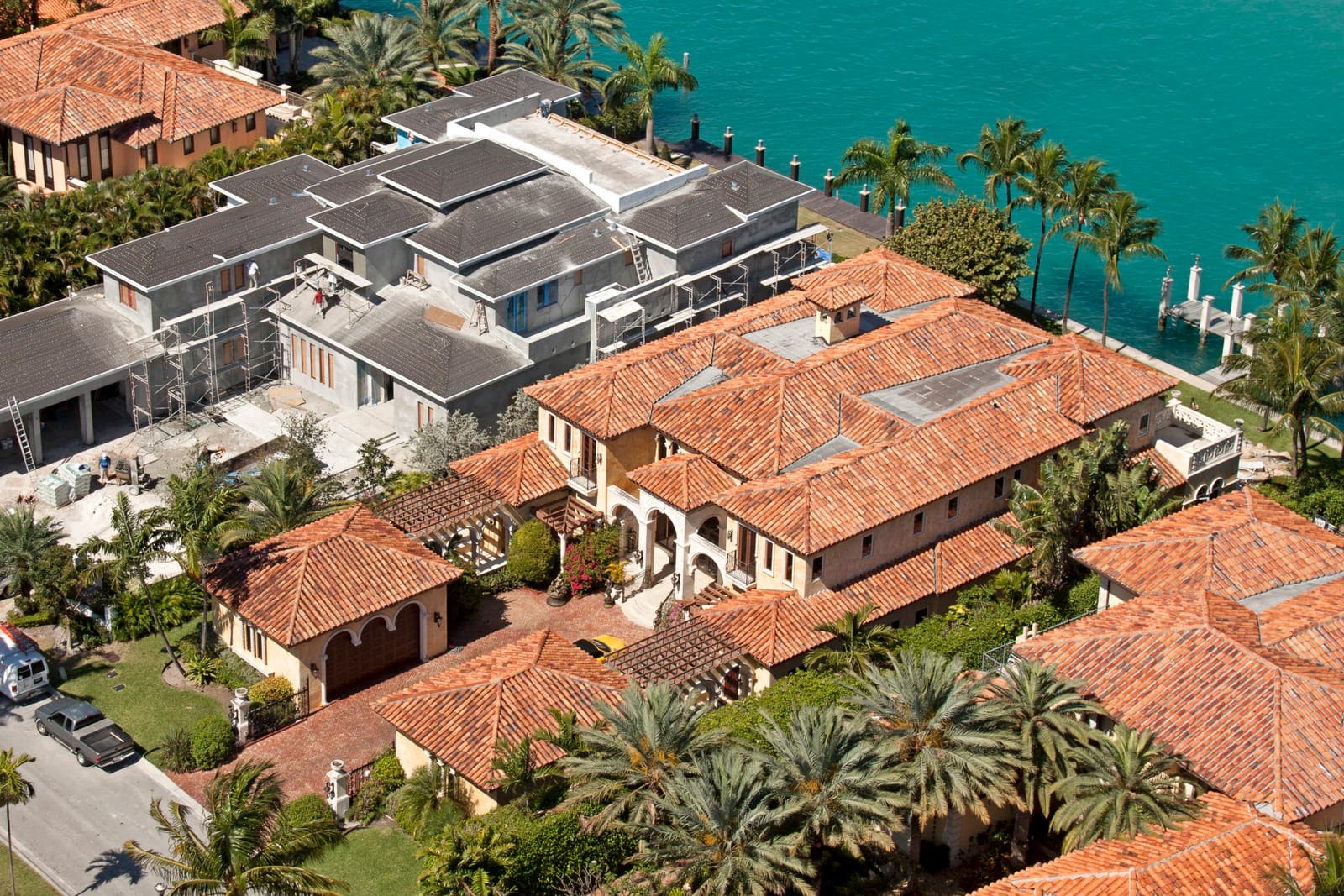
Clay tile roof
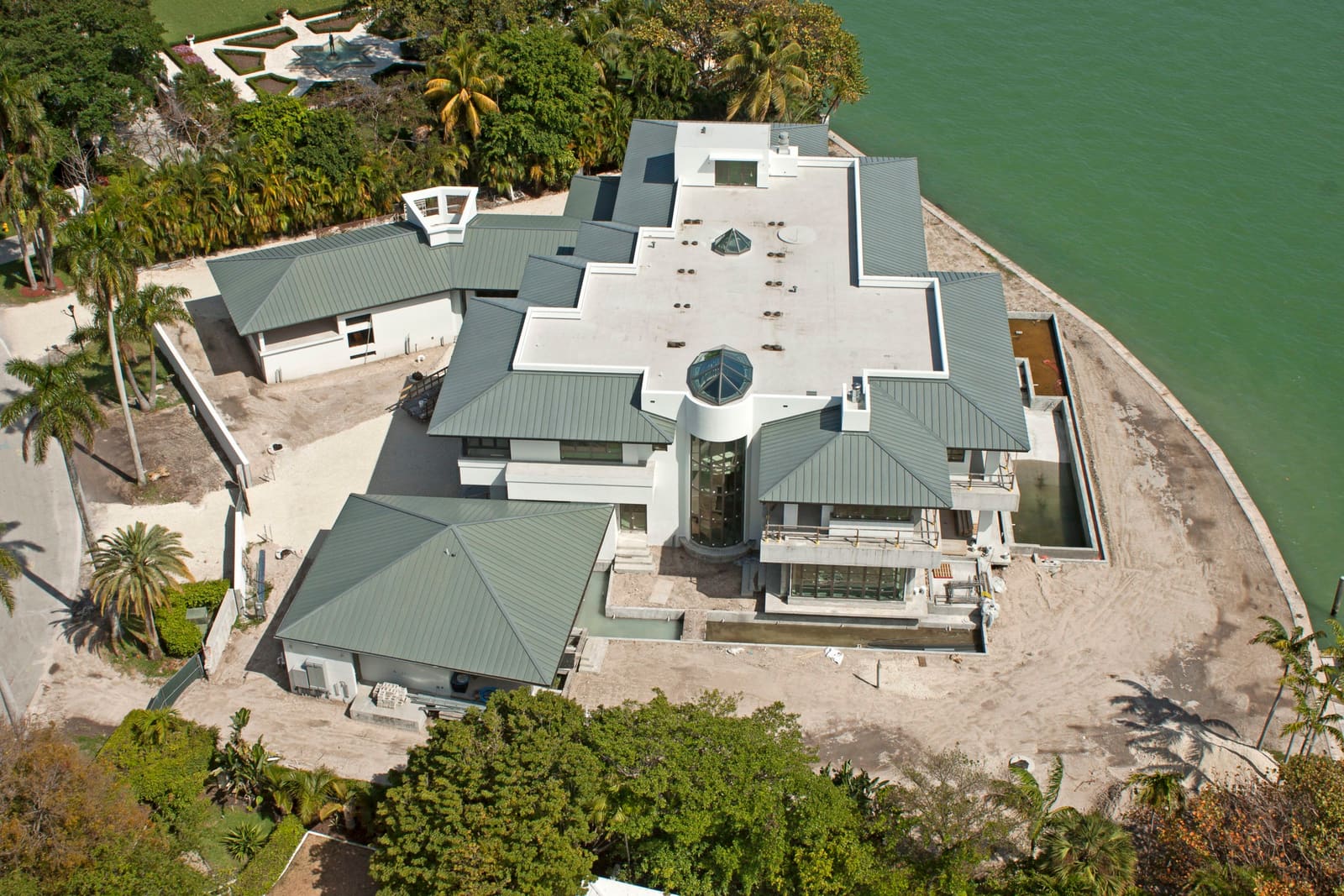
Metal roof

Asphalt shingle roof
Yes. The Art Deco Historic District requires design-review approval for exterior alterations including roofing. Material, color, and profile must align with the architectural character of the structure. We handle the design-review submission and coordinate approvals before installation.
Tile, standing-seam metal with corrosion-resistant coatings, and properly detailed flat membrane systems all perform well in barrier-island salt air. Fastener selection and flashing detailing matter more than material choice. Stainless-steel fasteners and concealed-clip systems extend lifespan.
Most residential roofs last 15+ years in this coastal climate. Tile and standing-seam metal commonly reach 30+ years when properly maintained and detailed for salt-air exposure. Asphalt shingles typically reach 15+ years with Miami-Dade NOA-approved systems.
Yes. Miami Beach sits in the High Velocity Hurricane Zone. All roofing systems must meet Miami-Dade Notice of Acceptance wind-uplift testing. Fastener schedule, underlayment attachment, and edge detailing are code-mandated and inspector-verified at rough and final inspection.
We walk you through material options, design-review requirements, and installation logistics specific to your property. Call us at (305) 671-9190 or reach out through the contact form.