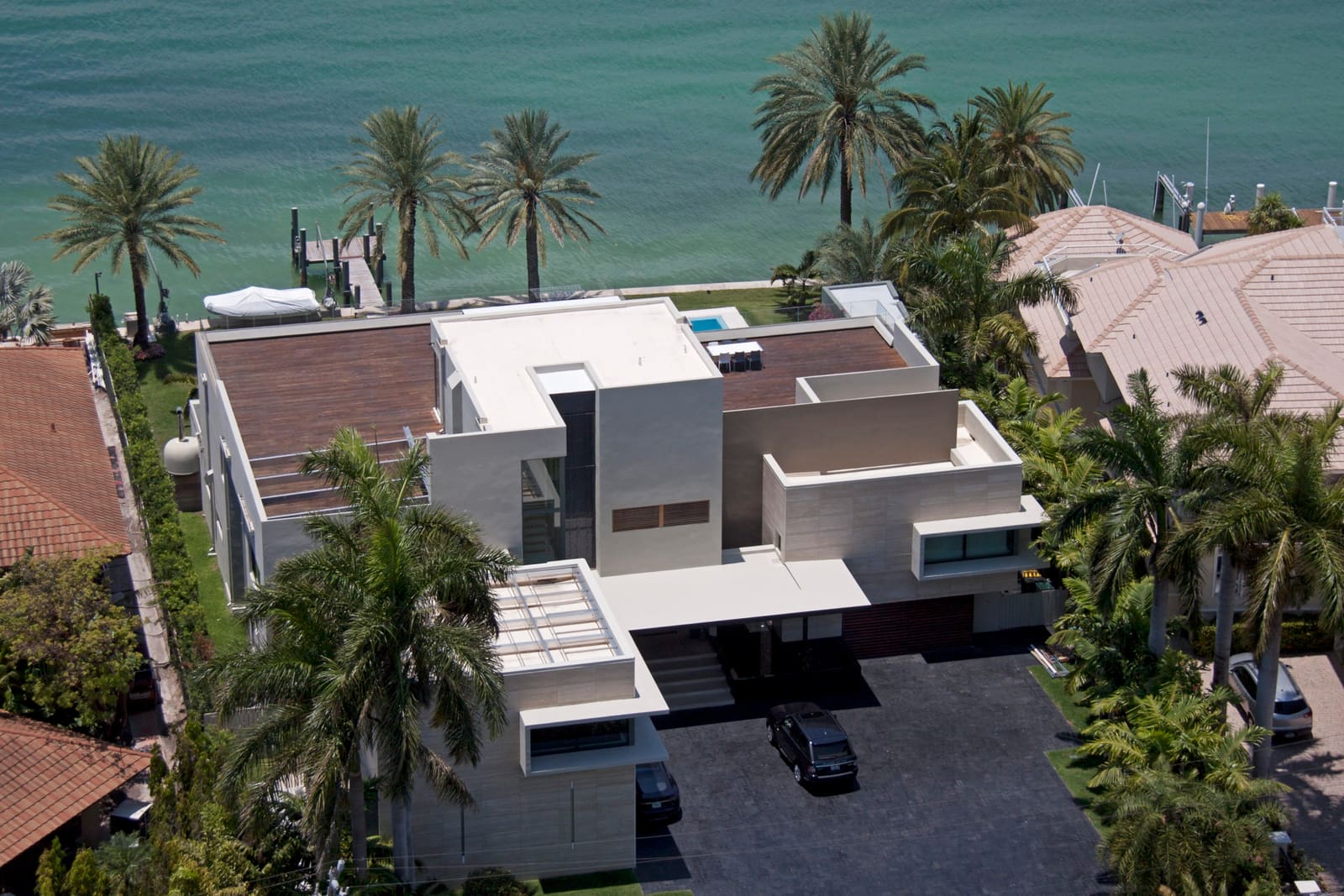
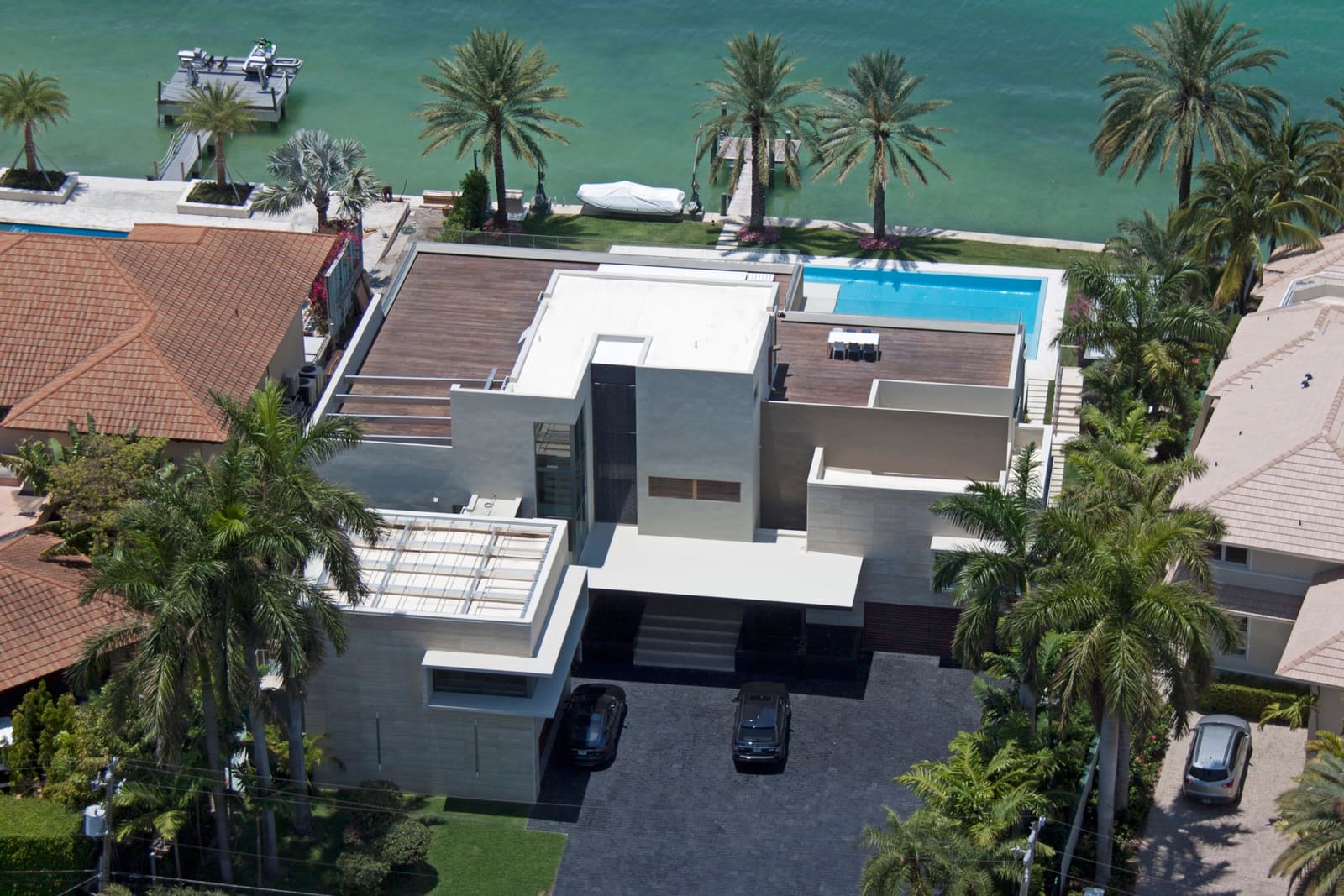
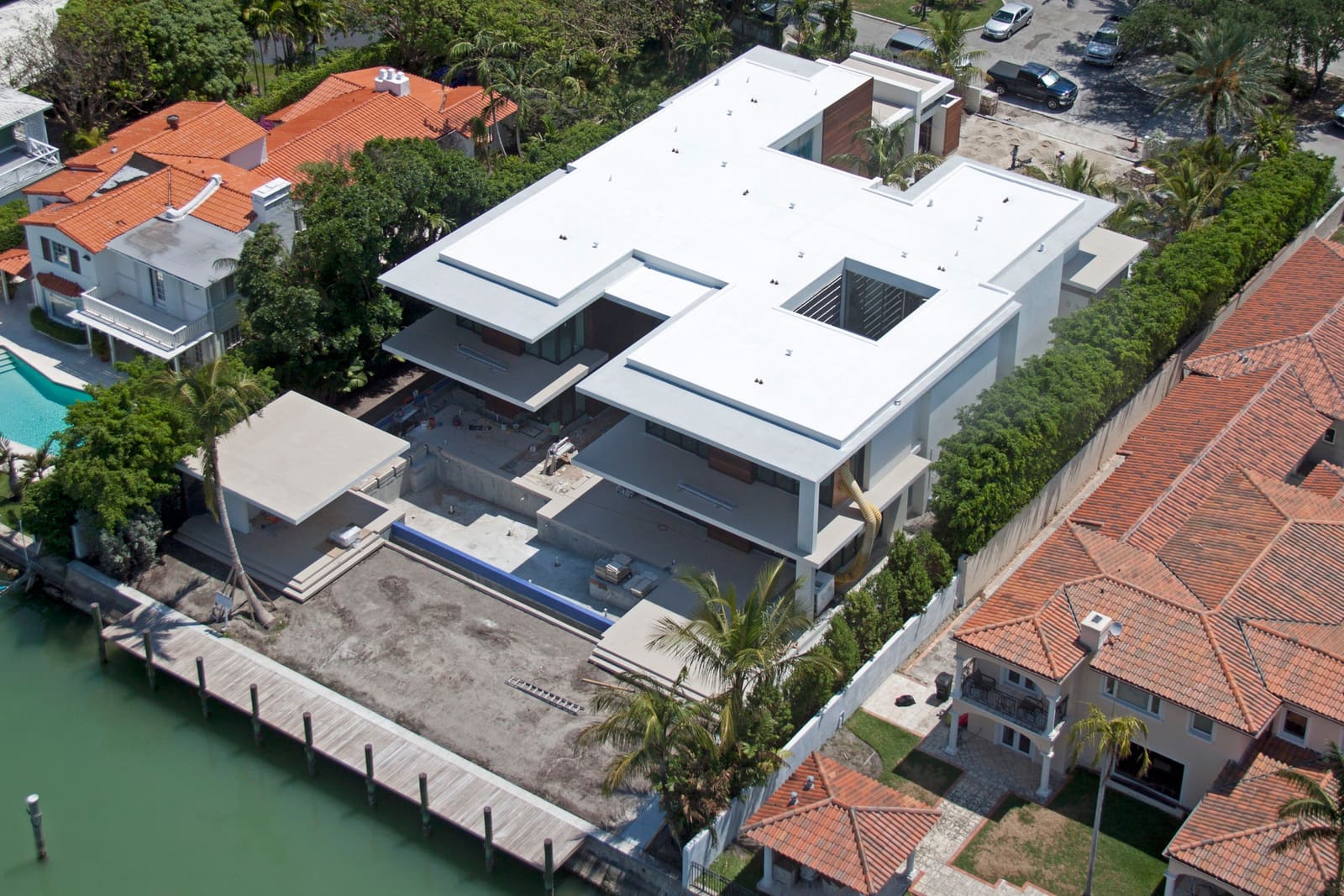
Flat roofing

Flat Roofing in Miami
Flat roofing protects South Florida homes where traditional slopes don't fit. We install single-ply membranes, modified bitumen, and silicone restoration systems built for Miami's heat, salt air, and hurricane-force wind. Family-owned since 1985.
How long does flat roofing last in South Florida?
A properly installed flat roof lasts 15+ years in Miami's coastal climate. TPO and modified bitumen systems resist UV degradation and thermal cycling when detailed correctly at parapets, drains, and penetrations. Lifespan depends on membrane type, installation quality, and maintenance discipline.
South Florida's coastal environment tests flat roofing harder than most climates.
What Flat Roofing Covers
Flat roofing serves low-slope and zero-slope applications where traditional pitched systems don't work. We install three primary systems:
TPO (Thermoplastic Polyolefin). Single-ply white membrane heat-welded at the seams. Reflective surface reduces cooling load. Common on commercial buildings and modern residential additions.
Modified Bitumen. Asphalt-based membrane modified with rubber or plastic polymers. Installed by torch-down or cold-adhesive methods in overlapping layers. Durable in high-traffic roof applications.
Silicone Coating. Liquid-applied restoration membrane for existing flat roofs. Cures to a seamless, flexible, UV-resistant surface. Extends the life of aging TPO or modified bitumen without tear-off.
Each system addresses different structural constraints, budget parameters, and performance requirements. Your roof deck condition, parapet height, and drainage layout determine which system fits.
Why It Matters in Miami
South Florida's coastal environment tests flat roofing harder than most climates. Salt air accelerates fastener corrosion. Thermal cycling expands and contracts membranes daily.
Hurricane-force wind uplift requires Miami-Dade NOA-certified attachment.
Flat roofs in Miami Beach, Coral Gables, and Coconut Grove face additional constraints. Historic district reviews govern material selection and parapet detailing in Coral Gables. Coastal exposure in Miami Beach demands corrosion-resistant fasteners and reinforced seam welding.
Pinecrest and South Miami properties often combine flat sections with tile roof or metal roofing slopes, requiring careful transition flashing.
Drainage is critical. Miami's rainfall intensity overwhelms undersized scuppers and interior drains. We size drains to local code and verify positive slope to every drain during deck inspection.
Standing water degrades membranes and voids manufacturer warranties.
Parapet walls require continuous flashing from the roof surface up and over the wall cap. We detail parapets with base flashing, counterflashing, and a termination bar to prevent wind-driven rain infiltration. Improperly flashed parapets are the most common flat-roof leak point in South Florida.
How We Install Flat Roofing
Installation begins with deck inspection. We verify structural integrity, replace damaged plywood or OSB, and confirm positive drainage slope. The deck must be clean, dry, and fastened to code before membrane placement.
Underlayment and Base Sheet
We install a base sheet or underlayment layer over the deck. For modified bitumen systems, the base sheet is torch-adhered or mechanically fastened. For TPO, we install a fleece-backed underlayment or polyiso insulation board depending on the thermal performance requirement.
Membrane Installation
TPO membranes are heat-welded at every seam with a hot-air welder. Seam strength exceeds the membrane's tear strength when welded correctly. We test seams with a probe tool before moving to the next section.
Modified bitumen is torch-applied in overlapping courses. The torch melts the asphalt backing, bonding each layer to the one below. Overlap width and torch temperature are manufacturer-specified.
Silicone coatings are rolled or sprayed in two coats. The first coat seals the existing membrane. The second coat builds mil thickness to the manufacturer's warranty requirement.
Flashing and Terminations
Parapets, drip edges, and penetrations receive dedicated flashing details. We use stainless-steel fasteners and termination bars at all flashing edges. Pipe boots, HVAC curbs, and vent stacks are flashed with prefabricated or field-fabricated components matching the membrane type.
Final Inspection
We walk the roof end-to-end, testing seams, verifying fastener patterns, and confirming drainage flow. The completed roof is photographed and documented for warranty submission.
Flat Roofing vs Sloped Systems
| System | Lifespan | Reflectance | Seam Type | Best For |
|---|---|---|---|---|
| TPO | 15+ years | High (white) | Heat-welded | Commercial, modern residential |
| Modified Bitumen | 15+ years | Moderate | Torch-down | High-traffic roofs, retrofit |
| Silicone Coating | 10-15 years | High | Seamless | Restoration, existing membranes |
| Metal Roofing Aluminum | 30+ years | High | Standing seam | Sloped applications, coastal |
| Clay Tile | 30+ years | Moderate | Interlocking | Mediterranean architecture, slopes |
| Roof Shingles | 15+ years | Low to moderate | Overlapping | Pitched roofs, budget-conscious |
Warranty and Manufacturer Credentials
We install named-manufacturer membrane systems including Polyglass by Mapei modified bitumen, carrying Miami-Dade NOA certifications for wind uplift and product approval. Polyglass material warranties depend heavily on proper installation; unauthorized repairs or modifications can void coverage. Manufacturer warranties on materials per manufacturer terms; specific coverage and exclusions are documented in your signed proposal and contract.
Our Istueta 12-Year Workmanship Warranty covers installation defects and labor errors from project completion, and is transferable to subsequent homeowners during the coverage period.
Maintenance extends warranty validity. Istueta Roofing offers a maintenance program that includes annual inspections, drain cleaning, and seam testing. Regular maintenance identifies small issues before they become leak points.
Financing
We work with multiple financing partners to structure payment plans that fit your budget. Explore our financing options to compare programs. Options include deferred interest, fixed monthly payments, and same-as-cash terms for qualified applicants.
Financing subject to credit approval. See terms for details. Your project coordinator walks you through the application process and explains the terms before you commit.
What Determines the Investment
Flat roofing investment scales with membrane type, roof area, parapet complexity, and the number of penetrations. A simple rectangular roof with minimal HVAC equipment costs less per square foot than a roof with multiple parapets, skylights, and rooftop units.
Tear-off adds cost. If the existing membrane is adhered or mechanically fastened, removal requires labor and disposal. Coating systems avoid tear-off by restoring the existing surface.
Drainage upgrades affect scope. Undersized drains or insufficient slope require deck modification before membrane installation. We identify drainage issues during the initial inspection and include corrections in the proposal.
Your proposal itemizes material, labor, flashing, and drainage components. We walk you through the line items so you understand what you are paying for.
See also copper patina and metal roofing galvalume.
Built-Up Roof vs Modified Bitumen
Built-up roofing (BUR) and modified bitumen are both asphalt-based flat roof systems, but they differ in how they go together and how they age. BUR is the old "tar and gravel" system built from alternating layers on site, while modified bitumen is a factory-made asphalt sheet reinforced with rubber or plastic polymers and rolled into place. Homeowners comparing either against a single-ply option like TPO, or against sloped materials such as roof shingles or a tile roof, usually weigh install disruption and long-term upkeep first.
| Dimension | Built-Up Roof (BUR) | Modified Bitumen |
|---|---|---|
| Composition | Alternating layers of asphalt, felt, and gravel or a cap sheet built up on site | Asphalt sheet reinforced with rubber or plastic polymers, manufactured in rolls |
| Install method | Multiple layers mopped or applied in place, labor-intensive | Torch-down or cold-adhesive application in overlapping rolled layers |
| Maintenance | Gravel surface can mask damage, requires careful inspection | Seams and flashing points need periodic checks, generally easier to spot-repair |
| Cost register | Higher labor cost due to multi-layer build-up | Moderate cost, faster install than BUR |
Both are solid asphalt-based choices, but modified bitumen's rolled application generally means a quicker job site turnaround than a traditional built-up roof.
Recent flat roofing projects
Flat Roofing answers,
before you ask.
Can you install flat roofing over an existing membrane?
Yes, when the existing membrane is structurally sound and the deck has adequate drainage. We inspect the existing roof for moisture, fastener pull-through, and seam integrity. If the substrate is dry and the membrane is intact, we install a new layer over the old. If the deck is compromised, we tear off to the deck and start fresh. Coating systems restore aging membranes without tear-off when the surface is clean and adhered.
How do you prevent ponding water on a flat roof?
We verify positive slope to every drain during deck inspection. Miami code requires minimum 1/4 inch per foot slope. If the deck is flat or back-sloped, we install tapered insulation or build crickets to direct water. Drains are sized to local rainfall intensity. Scuppers and overflow drains provide secondary drainage when primary drains clog. Standing water voids manufacturer warranties and accelerates membrane degradation.
What is the difference between TPO and modified bitumen?
TPO is a single-ply thermoplastic membrane heat-welded at the seams. It is lightweight, reflective, and common on commercial buildings. Modified bitumen is an asphalt-based membrane installed in overlapping layers by torch or adhesive. It is heavier, more puncture-resistant, and better suited to high-traffic roofs. TPO reflects more solar heat. Modified bitumen tolerates foot traffic better. Your roof use and budget determine which system fits.
Do flat roofs require more maintenance than sloped roofs?
Yes. Flat roofs accumulate debris in drains and valleys. Leaves, palm fronds, and dirt block drainage and trap moisture. We recommend annual inspections to clear drains, test seams, and verify flashing integrity. Sloped roofs shed debris naturally. Flat roofs require active maintenance to prevent ponding and seam failure. Our maintenance program includes drain cleaning, seam testing, and minor repairs.
Can you install a flat roof in Miami's rainy season?
Yes, with weather monitoring and scheduling flexibility. We track forecasts and pause work when rain is imminent. TPO and modified bitumen require a dry deck for adhesion. We tarp open sections overnight and resume when the deck dries. Silicone coatings cure in humidity but require 24 hours without rain after application. Most flat-roof projects in South Florida are scheduled around weather windows, not delayed until dry season.
What is a Miami-Dade NOA and why does it matter?
A Miami-Dade Notice of Acceptance certifies that a roofing system meets strict wind-resistance requirements for the High Velocity Hurricane Zone. The NOA verifies fastener patterns, seam strength, and uplift resistance through third-party testing. Insurance carriers and building departments require NOA-certified systems in coastal Miami-Dade and Broward counties. We install only NOA-certified membranes and follow the manufacturer's NOA-specified installation protocol. Your permit and insurance depend on it.
How much does a flat roof cost in Miami?
Flat roof pricing depends on the material (TPO, modified bitumen, or built-up roofing), the size and condition of the roof deck, how much tear-off is needed, and details like drains, flashing, and parapet walls. Because every roof is different, the only way to get an accurate number is a site visit and written estimate. See our flat roofing cost guide for a full breakdown of what drives pricing.
Can you walk on a flat roof?
Flat roofs are built to support foot traffic for inspections and maintenance, but that does not mean they can handle regular walking without a plan. Repeated foot traffic in the same spots can wear down the membrane over time, especially around seams and flashing details. If you need regular access for AC units, equipment, or a rooftop deck, tell your contractor up front so they can add walkway pads or reinforced areas in those zones. For general inspections a few times a year, walking carefully on a properly installed membrane is fine.
Can TPO be installed directly over plywood?
TPO membrane is not fastened straight to bare plywood. It's installed over a cover board or insulation layer that sits on top of the plywood deck, which gives the membrane a stable, even surface and adds a layer of protection against punctures and moisture. The plywood deck itself still needs to be sound, dry, and properly fastened before any of that goes down.
Skipping the cover board or insulation layer is one of the shortcuts that leads to premature membrane failure.
Can TPO roofing be painted?
TPO is not designed to be painted. It comes from the factory as a white, heat-reflective membrane, and standard or elastomeric paints are not formulated to bond to its plastic surface, so paint peels, cracks, or flakes over time and can interfere with the heat-welded seams. Painting also voids the manufacturer's warranty since it's not part of any approved system.
If the membrane looks dirty or dull, washing it restores its appearance without the adhesion problems that come with paint.
Can TPO roofing be patched?
Yes, TPO can be patched, and this is one of its practical advantages over some other membrane types. Repairs are typically made with a TPO patch that gets heat-welded to the existing membrane, creating a bond similar in strength to the original seams. This works well for isolated punctures, small tears, or seam separation.
Larger areas of damage or widespread wear usually point to a bigger underlying issue, like ponding water or UV degradation, that should be evaluated rather than just patched over.
Can you clean a modified bitumen roof?
Yes, modified bitumen roofs can be cleaned, though the approach depends on the surface finish. Granule-surfaced modified bitumen can typically be washed with a low-pressure rinse to remove dirt, debris, and algae without dislodging the protective granules. Smooth or cap-sheet finishes need a gentler touch since aggressive pressure washing can wear down the surface coating over time.
Regular removal of debris and standing dirt also helps prevent the kind of buildup that traps moisture against the membrane.
Can you clean a TPO membrane?
Yes, TPO membranes can and should be cleaned periodically. Dirt, algae, and airborne debris can dull the white reflective surface over time, which reduces the energy-saving benefit that TPO is known for. Cleaning is generally done with mild soap and water or a low-pressure rinse rather than harsh chemicals or abrasive scrubbing, which can damage the membrane surface or seams.
Keeping the membrane clean also makes it easier to spot seam issues, punctures, or ponding areas during routine inspections.
Can you coat over TPO?
TPO can be coated in some cases, but the membrane's slick surface and heat-welded seams make surface prep and product compatibility critical to getting a coating to bond and hold up. If you're weighing this option, talk to a roofer who can inspect the membrane's condition first, since a failing TPO roof may need patching or replacement rather than a coating. See our flat roofing page for more on TPO maintenance.
Can you clean flat tile roofing?
Yes, flat tile can be cleaned to remove dirt, algae staining, and debris buildup that collects in low-slope areas and around drains. Regular cleaning helps keep water moving off the roof instead of pooling against grime or organic growth. Since flat roofs are more prone to standing water than sloped ones, keeping the tile surface clear is part of routine upkeep.
Ask your roofer about a cleaning schedule that fits your specific tile system.
Can you clean modified bitumen roofing?
Yes, modified bitumen roofs can be cleaned, which helps remove debris and buildup that contributes to ponding water and premature wear. Because modified bitumen is a granulated, asphalt-based membrane, cleaning should be done carefully to avoid dislodging the surface granules that protect it from UV exposure. Routine cleaning is part of the maintenance flat roofs generally need more of compared to sloped roofing.
See our flat roofing page for more on modified bitumen upkeep.
Can you coat flat tile roofing?
Coating options for flat tile depend on the tile material and its current condition, so an inspection is the right first step before assuming a coating will work. A coating can add a layer of protection, but it won't fix underlying issues like cracked tiles or drainage problems that cause water to pool. Talk to a roofer about whether coating or another repair approach makes more sense for your roof.
Can you coat modified bitumen roofing?
Yes, modified bitumen roofs can be coated to add a protective layer over the granulated surface, which can help extend the life of the membrane. Coating works best when applied to a roof that's still in reasonably sound condition, since it's a maintenance step rather than a repair for structural or membrane failures. Getting the surface properly cleaned and prepped first matters for the coating to adhere well.
Can you coat modified bitumen roofing with a roof coating?
Yes, a roof coating can be applied over modified bitumen to add protection and help the membrane hold up longer against sun and weather exposure. This works as part of ongoing maintenance rather than a fix for damaged or aging membrane that needs repair. A roofer can check the condition of the granulated surface first to confirm coating is the right move before it goes on.
Can you install over flat tile?
Flat tile is a low-slope roofing material rather than a true flat membrane system, and it has its own repair, cleaning, and coating needs separate from TPO or modified bitumen. If a flat tile roof has reached the end of its life or the tile is failing, the existing tile and underlayment generally need to come off so the deck can be inspected before a new membrane goes down. Mixing a tile roof with a membrane retrofit depends on the roof's slope, drainage, and current condition, so it needs a site visit to know what's possible.
What are the basics of flat roofing?
Flat roofing actually refers to low-slope roofs, since a completely flat surface won't drain water and leads to ponding. These roofs use continuous waterproof membranes instead of shingles or tiles, with common systems being TPO, modified bitumen, and similar single-ply or built-up assemblies. Proper installation depends on getting slope and drainage right so water moves off the roof instead of sitting on it, and on choosing a membrane and installation method suited to Miami's heat, sun exposure, and storm conditions.
Flat roofs also tend to need more routine attention than sloped roofs since problems like ponding or seam failures aren't as visible from the ground.
What color options are available for TPO roofing?
TPO membranes are manufactured in a limited range of factory colors, most commonly white or light gray tones, which is part of why they're chosen for reflecting heat in Miami's climate. Because TPO isn't intended to be repainted with ordinary paint, the color choice is really made at the time of membrane selection rather than after installation. If a different look or extra reflectivity is wanted later, a compatible roof coating is the more practical route than paint.
For the full picture on painting or coating TPO, see our answers on coating TPO.
What insulation is used for TPO roofing?
TPO systems are installed as part of a roof assembly that typically includes rigid insulation board beneath the membrane, which helps with energy performance and gives the TPO a stable, even surface to adhere to or lay over. The specific insulation type and thickness depends on the existing roof deck, the building's insulation needs, and whether the project is new construction or a re-roof over an existing structure. Getting the insulation layer right also affects how well the membrane resists foot traffic and ponding water over time.
A roofer can evaluate the deck and recommend the right insulation approach during an inspection.
Who installs residential flat roofing near me?
Flat and low-slope roofing on homes calls for a roofer experienced with membrane systems like TPO and modified bitumen, not just shingle or tile installation. Residential flat roofs are common on additions, porches, and modern home designs across Miami, and they need the same attention to drainage, seam quality, and Miami-Dade NOA compliance as commercial flat roofs. Look for a local roofer who can walk you through membrane options, ponding prevention, and maintenance needs specific to your home's roof.
Who is a flat roofing contractor near me?
A flat roofing contractor is a roofer who specializes in low-slope membrane systems such as TPO and modified bitumen, rather than general shingle or tile work. In Miami this also means understanding Miami-Dade NOA requirements and how to install and maintain flat roofs through the area's rainy season and storm conditions. When looking for one nearby, ask about experience with the specific membrane type on your roof, how they handle drainage and ponding, and whether they can show NOA documentation for the products they install.
Can you clean a flat tile roof?
Yes. Flat tile can be cleaned to remove algae, dirt, and organic staining, but it needs to be done carefully since flat tile is walked on less often than a standard sloped tile roof and can be more brittle at the edges. A low-pressure wash paired with the right cleaning solution lifts grime without cracking tiles or driving water under laps.
Regular cleaning also makes it easier to spot cracked or shifted tiles before they cause a leak.
Can you clean a TPO roof?
Yes. TPO membrane can be cleaned to remove dirt, algae, and chalking residue, and doing so helps keep the surface reflective and easier to inspect for seam or puncture damage. Cleaning should be done with a method that will not scuff or tear the membrane, since TPO is a single-ply system rather than a rigid surface.
A clean membrane also makes it easier to see wear before it turns into a leak.
Can you clean a TPO roof with a roof cleaner?
TPO can be cleaned with a cleaning product suited to single-ply membrane rather than a harsh chemical or high-pressure wash. The wrong cleaner or too much pressure can strip the surface or open up seams over time, so it matters what's used and how it's applied. A gentler, membrane-appropriate cleaning approach removes dirt and algae while protecting the TPO's seams and surface.
Can you clean TPO roofing?
Yes, TPO roofing can be cleaned as routine maintenance. Removing dirt, algae, and debris keeps the membrane reflective and makes it easier to catch small issues like seam lifting or punctures early. Because TPO is a single-ply membrane, cleaning should avoid abrasive tools or excessive pressure that could damage the surface or seams.
Can you seal or coat modified bitumen roof?
Both are options, but they are not the same thing. A sealer penetrates into the modified bitumen surface and dries clear, adding protection without changing the look of the roof. A coating is an elastomeric film applied on top of the membrane, forming its own protective layer that can improve reflectivity and help extend the roof's service life.
Which one makes sense depends on the roof's condition and what you're trying to accomplish, so it helps to have the surface inspected before deciding.
Can you coat built up roofing in Florida?
Yes, built-up roofing (BUR) can be coated as a way to add protection and improve reflectivity once the existing gravel or cap sheet surface is properly prepared. A coating forms a protective film over the roof rather than soaking in, which can help slow down UV and weather damage in Florida's climate. The roof needs to be cleaned and repaired first so the coating bonds properly and doesn't trap moisture underneath.
Can you seal flat roofing?
Yes. Flat roof systems like TPO, modified bitumen, and built-up roofing can be sealed with a roof coating to add a protective, waterproof layer over seams, flashing details, and the field of the membrane. Sealing is typically done to address minor wear, close off small seam gaps, or extend the life of a membrane that is otherwise still sound.
The right sealant or coating depends on which membrane you have, since TPO, modified bitumen, and built-up roofs each need a compatible product to bond properly. A roofer should inspect the membrane first to confirm it is a good candidate for sealing rather than replacement.
Can you seal flat tile?
Yes. Flat tile roofs can be sealed to help block water intrusion at the tile surface and along laps and fasteners. Sealing is usually done after the roof is cleaned so the sealant can bond to the tile instead of sitting on dirt or algae growth.
This is often paired with checking the underlayment and flashings, since the tile itself is only part of what keeps a flat tile roof watertight. A contractor familiar with flat tile systems can tell you whether sealing alone will address the issue or whether repairs are needed first.
Can you coat built-up roofing?
Yes, built-up roofing can be coated once the surface is properly cleaned and any damaged areas are repaired. A coating adds a protective, reflective layer over the gravel or cap sheet surface, which can help slow down UV breakdown and reduce heat buildup on the roof. This is usually a good option for a BUR roof that's still structurally sound but showing wear, rather than one that's already failing or leaking.
Can you coat TPO roofing?
Yes, TPO can be coated, though it needs to be cleaned thoroughly first since TPO's smooth, reflective surface doesn't bond well to dirt, chalk, or residue left behind. A compatible coating is then applied to renew the surface and add another layer of protection as the membrane ages. Skipping the cleaning step is the main reason coatings fail on TPO, so proper prep matters more than the coating itself.
Can you install over a TPO roof?
It depends on the condition of the existing TPO membrane. If it's sound, clean, and free of wet insulation underneath, a new roof system can sometimes be installed over it. If there's trapped moisture, blistering, or membrane failure, that has to be addressed first, otherwise problems get sealed in rather than solved.
An inspection is the only way to know which situation you're dealing with.
Can you install over built-up roofing?
Yes, in many cases a new roof system can go over existing built-up roofing as long as the substrate is dry, stable, and free of significant damage. Wet insulation or deteriorated decking underneath has to be dealt with before covering it, since installing over hidden moisture just traps the problem. A roof inspection determines whether the existing BUR is a suitable base or whether tear-off is the better route.
Can you install over flat roofing on a house?
For more on installing new flat roofing over an existing membrane, see our flat roofing overview.
Flat Roofing built for the coast.
Schedule a no-pressure consultation. We walk your roof, review your options, and give you a detailed written proposal.