
Great customer service! Made the process easy and answered all questions.
4 weeks ago
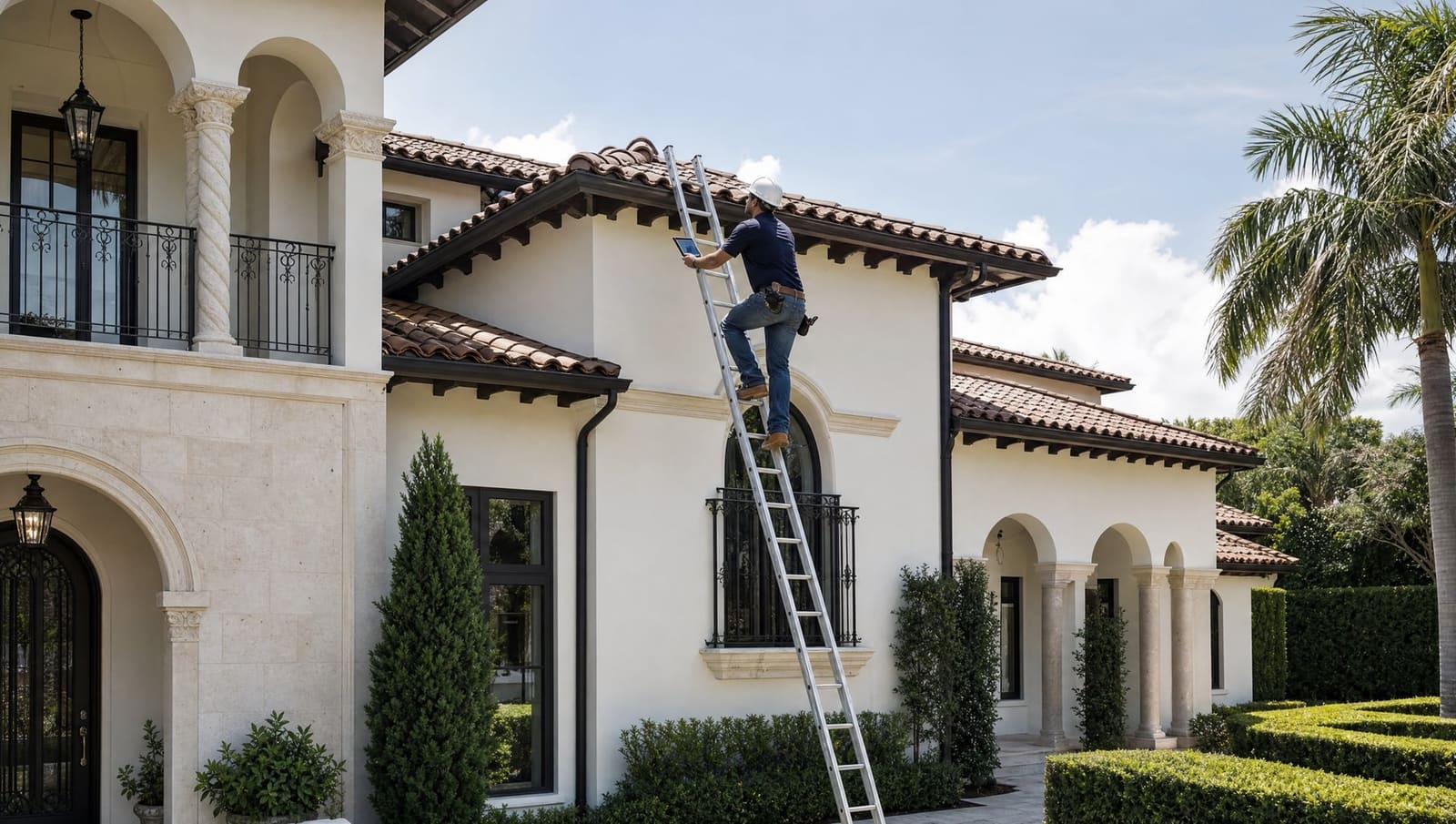
Roof maintenance protects your investment and extends the life of your roofing system. Across Miami-Dade and Broward, we provide structured maintenance programs designed for South Florida's heat, salt air, and storm exposure. Family-owned since 1985, we approach maintenance as a long-term partnership with homeowners who want their roofs to perform year after year.
Routine roof maintenance is recommended on a 12-month cadence in South Florida: semi-annually where coastal salt-air or direct storm exposure accelerates wear. Each visit includes inspection of all roofing components, cleaning of debris and organic growth, fastener checks, flashing condition review, and minor repairs before they become major issues. For South Florida homes, maintenance also addresses salt air corrosion, thermal expansion stress, and storm-related wear. The goal is to catch small problems early and preserve the manufacturer warranty coverage, which on most modern asphalt, metal, and tile systems remains valid only with documented annual maintenance records.
A typical residential roof maintenance visit takes 2 to 4 hours depending on roof size and complexity.
Our maintenance process follows a structured sequence designed to identify issues before they escalate.
Step 1: Full roof inspection. We walk the entire roof surface, checking fasteners, flashing, ridge caps, valleys, and penetrations. Every component gets documented. This step identifies loose fasteners, cracked sealant, lifted shingles, or membrane separation before water intrusion starts.
Step 2: Debris removal and surface cleaning. We clear leaves, branches, and organic buildup from valleys, gutters, and low-slope areas. In South Florida's humid climate, organic growth accelerates deterioration. Cleaning extends material life and prevents moisture trapping.
Step 3: Fastener tightening and replacement. Thermal cycling loosens fasteners over time. We re-torque exposed fasteners and replace any that show corrosion or thread damage. Proper fastener tension maintains wind uplift resistance and prevents membrane creep.
Step 4: Flashing condition review and re-seal. We inspect all flashing transitions, chimney caps, vent boots, and skylight curbs. Cracked sealant gets removed and replaced with fresh elastomeric compound. Flashing failures are the most common leak source in coastal environments.
Step 5: Minor roof repair execution. Small issues identified during inspection get addressed immediately. This includes replacing damaged shingles, re-bedding loose ridge caps, sealing small membrane tears, or re-securing loose trim. Addressing these now prevents emergency calls later, and keeps the maintenance visit from cascading into a full roof replacement cycle years sooner than necessary.
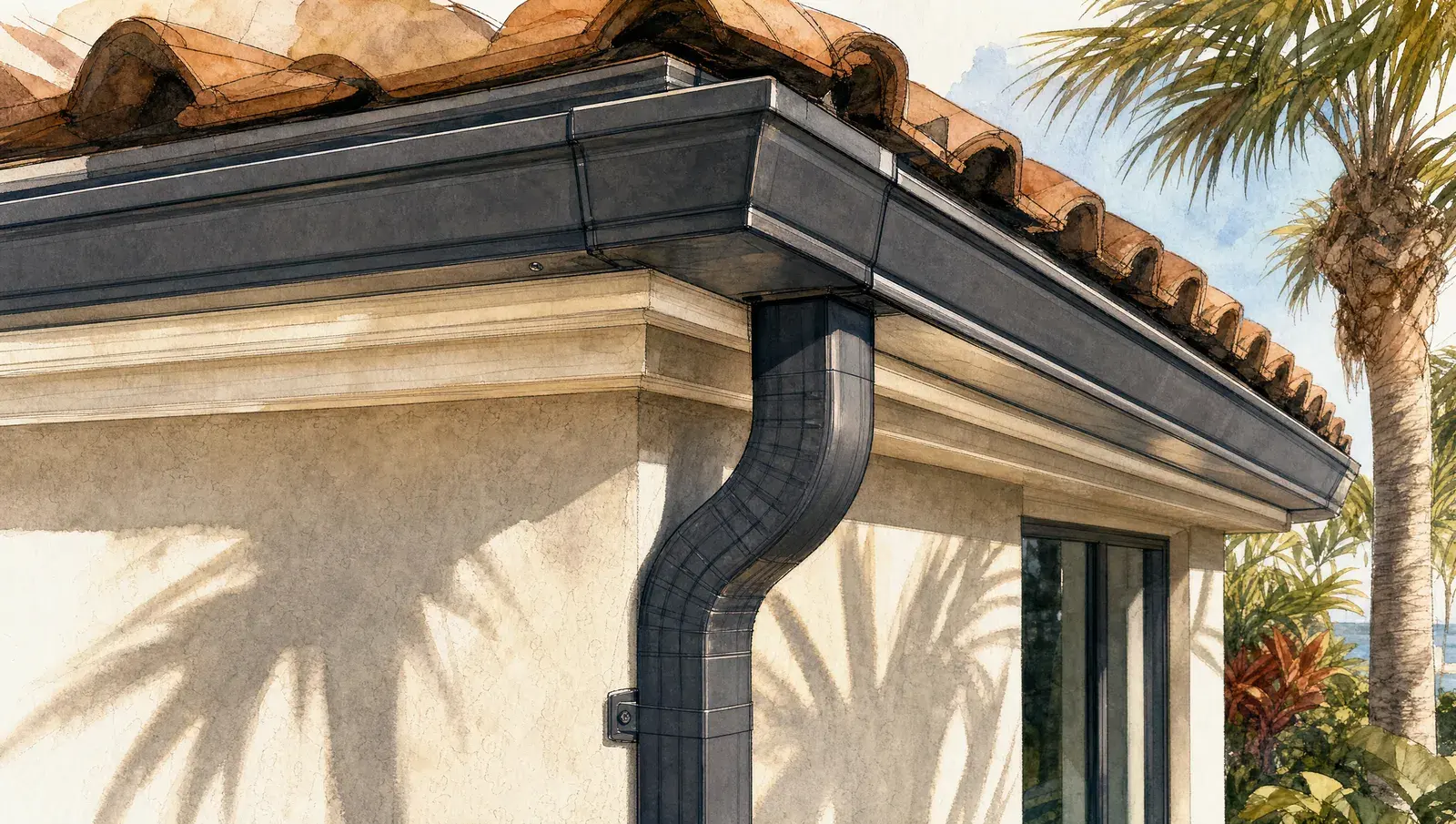
Step 6: Gutter and downspout check. We verify that gutters drain properly and downspouts discharge away from the foundation. Clogged gutters cause water backup under the roof edge, which accelerates fascia rot and soffit damage.
Step 7: Documentation and homeowner review. You receive a written report with photos of all findings, repairs completed, and recommendations for future attention. This documentation supports warranty claims and provides a maintenance history for your home.
A typical residential roof maintenance visit takes 2 to 4 hours depending on roof size and complexity. Most maintenance work does not require permits unless we identify structural repairs that need county review.
Our crew arrives with ladders, safety equipment, cleaning tools, and common roof repair materials. You'll see one to two technicians on the roof at a time. We work methodically from one end to the other, documenting as we go. Maintenance pairs naturally with a standalone roof inspection when the goal is a single annual touchpoint that documents condition for warranty and insurance purposes.
After the roof inspection and cleaning, we review findings with you on-site. If minor repairs are needed and materials are on the truck, we complete them the same day. Larger repairs that require ordering materials or permit approval get scheduled separately.
Maintenance visits are scheduled during dry weather. South Florida's afternoon storms mean we typically work mornings. If rain interrupts the visit, we reschedule the remaining work at no additional trip charge.
Maintenance protocols vary by roofing material. The inspection checklist, cleaning methods, and fastener specs differ across roof types. Here are the four material categories we maintain, with links to the detailed pages for each:
We maintain roofs installed by other contractors and roofs we installed ourselves. Our maintenance protocols follow manufacturer specifications to preserve warranty coverage.
As certified applicators for multiple manufacturers, we understand the maintenance requirements that keep warranties valid. Many manufacturer warranties require annual inspections and documented maintenance. We provide the written records you need.
Our Florida roofing license is held by the company owner, not a hired qualifier. This means the person responsible for your roof's long-term performance is directly involved in the business. Maintenance programs reflect that accountability. Istueta has held the same Florida roofing license since 1985, and our maintenance records on customer roofs go back decades: which is what most manufacturers want to see when a warranty claim is filed 10 or 15 years into a roof's service life.
Annual maintenance is the standard recommendation for most residential roofs in coastal South Florida. Homes near saltwater or under heavy tree canopy may benefit from twice-yearly visits. The inspection identifies small issues before they require emergency repairs.
Many manufacturer warranties require documented annual inspections and proper maintenance. Neglecting maintenance can void coverage. We provide written maintenance records that support warranty claims. Manufacturer warranties on materials follow manufacturer terms. Specific coverage and exclusions are documented in your signed proposal and contract.
We document the issue with photos and provide a written estimate for the repair. If the repair is covered under an existing warranty, we help you file the claim. If the repair requires permits or structural work, we schedule that separately. You decide whether to proceed.
Homeowners can safely clear debris from gutters and check for obvious damage from ground level. Walking on the roof without proper safety equipment and training is not recommended. Improper foot traffic can damage shingles, crack tiles, or dent metal panels.
Maintenance typically costs a fraction of emergency repair calls. An annual inspection that catches a loose flashing before it causes interior water damage pays for itself many times over. Maintenance extends the effective life of your roofing system and reduces the likelihood of surprise failures.
Yes. We offer structured maintenance programs with scheduled annual visits, priority scheduling for storm damage, and discounted repair rates for program members. Programs are designed for homeowners who want predictable maintenance costs and long-term roof performance.
Schedule a no-pressure consultation. We walk your roof, review your options, and give you a detailed written proposal.