Your roof protects the largest investment most families make, yet few homeowners know how long that protection will last. In Miami's coastal climate, hurricane winds, salt air, and year-round UV exposure accelerate wear. The question isn't academic.
A roof that fails early costs tens of thousands to replace and risks interior damage during the next storm.
Material choice drives baseline lifespan: asphalt shingles typically last 15+ years here, while concrete and clay tile reach 30+ years. Material is only the starting point. Installation quality, ventilation design, maintenance discipline, and storm history all compound to determine whether your roof reaches its expected lifespan or fails a decade early.
Quick answer
Most residential roofs in Miami last 15+ years, depending on material and installation quality. Asphalt shingles reach 15+ years in South Florida's climate. Metal roofs often exceed 30 years.
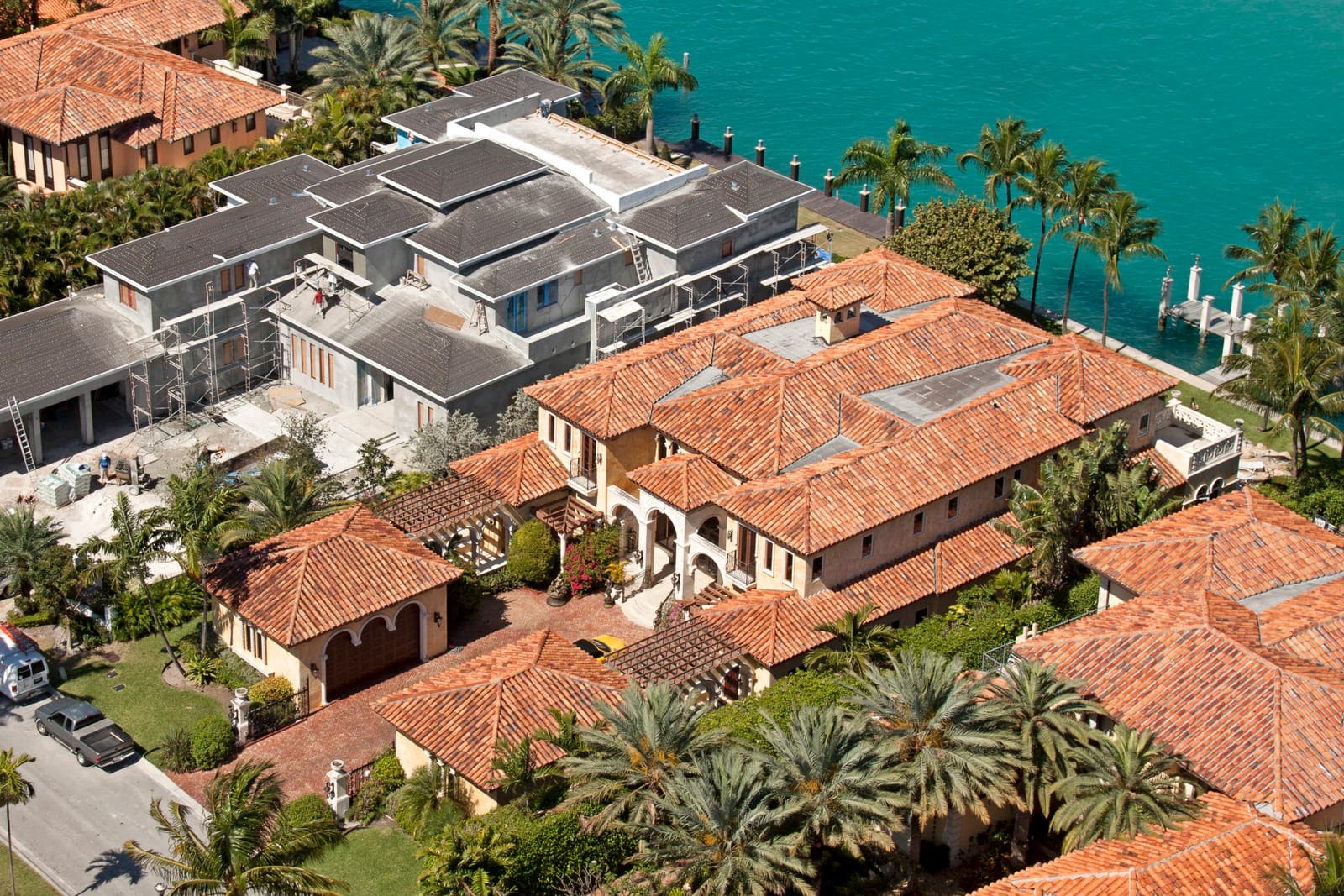
Concrete and clay tile systems can last 30 years or more when properly installed and maintained. Premium tile products like Ludowici's Elite Crown series are engineered for the top end of that range. Your roof's actual lifespan depends on seven factors: the roofing material itself, installation quality, attic ventilation, maintenance frequency, storm exposure, manufacturer defects, and whether the system meets High Velocity Hurricane Zone (HVHZ) standards.
A roof installed by a manufacturer-certified applicator with proper flashing details and adequate ventilation will consistently outlast an identical material installed without those controls, often by a decade or more.
What you should know
A roof's lifespan in Miami depends on material choice, installation quality, and environmental exposure. Asphalt shingles typically last 15+ years in South Florida's climate, while concrete tile roofs and clay tile systems reach 30+ years with proper maintenance. Metal roofing also reaches 30+ years depending on gauge and coating.
The term "lifespan" refers to the period a roof maintains weathertight integrity and structural performance before requiring replacement. This differs from warranty coverage, which addresses specific failure modes under defined conditions. A 30-year material warranty does not mean 30 years of service life.
Actual performance depends on factors beyond the manufacturer's control.

Miami's subtropical climate accelerates roof aging through UV exposure, thermal cycling, salt air corrosion, and hurricane-force wind events. The High Velocity Hurricane Zone (HVHZ) building code requires enhanced attachment methods and impact-resistant materials, which affect both initial cost and long-term durability.
Installation quality matters as much as material selection. Manufacturer-certified applicators follow specifications for fastener placement, underlayment integration, and flashing details that determine whether a roof reaches its expected lifespan. Poor workmanship can cut a material's service life in half, while expert installation extends performance beyond typical ranges.
How it works
Roof lifespan isn't a single number. It's the outcome of seven interacting variables that either compound or cancel each other out.
Material selection sets the ceiling. Asphalt shingles in Miami typically last 15+ years. Concrete and clay tile reach 30+ years when properly maintained.
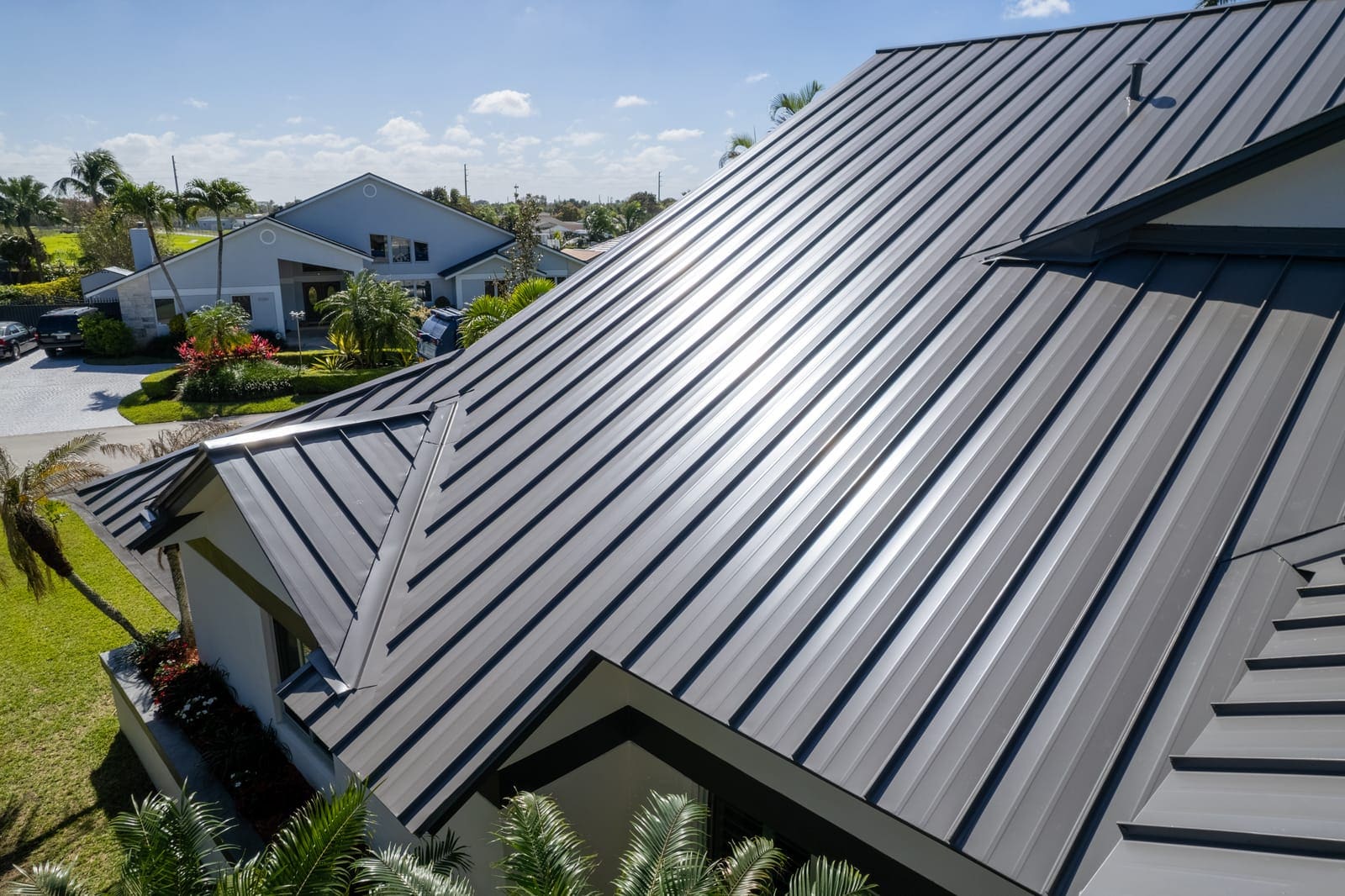
Metal roofing (standing seam or corrugated) often lasts 30+ years depending on coating and gauge.
Installation quality determines whether you reach that ceiling. A tile roof installed without proper underlayment or fastener spacing will fail decades early. Flashing details around chimneys, skylights, and valleys are common failure points when rushed or improvised.
Climate exposure accelerates or slows degradation. Direct sun exposure breaks down asphalt granules and oxidizes metal coatings. Salt air corrodes fasteners and metal components. Wind-driven rain exploits any gap in the envelope.
Maintenance resets the clock on minor issues. Clearing debris from valleys prevents ponding. Replacing cracked tiles stops water infiltration before sheathing rots. Re-sealing penetrations maintains the barrier.
Ventilation and insulation regulate thermal cycling. Attics that reach 160°F in summer cook shingles from below. Proper soffit-to-ridge airflow keeps deck temperatures closer to ambient, reducing material fatigue.
Each factor shifts the outcome by years or decades.
How it compares
| Material | Expected Lifespan | Wind Rating (HVHZ) | Maintenance Frequency | Replacement Cost per Sq Ft |
|---|---|---|---|---|
| Concrete Tile | 30+ years | Up to 180 mph | Every 3–5 years | $12–$18 |
| Asphalt Shingle | 15+ years | Up to 130 mph | Every 2–3 years | $4–$7 |
| Metal (Standing Seam) | 30+ years | Up to 180 mph | Every 5–7 years | $10–$16 |
| Clay Tile | 30+ years | Up to 180 mph | Every 5–7 years | $15–$25 |
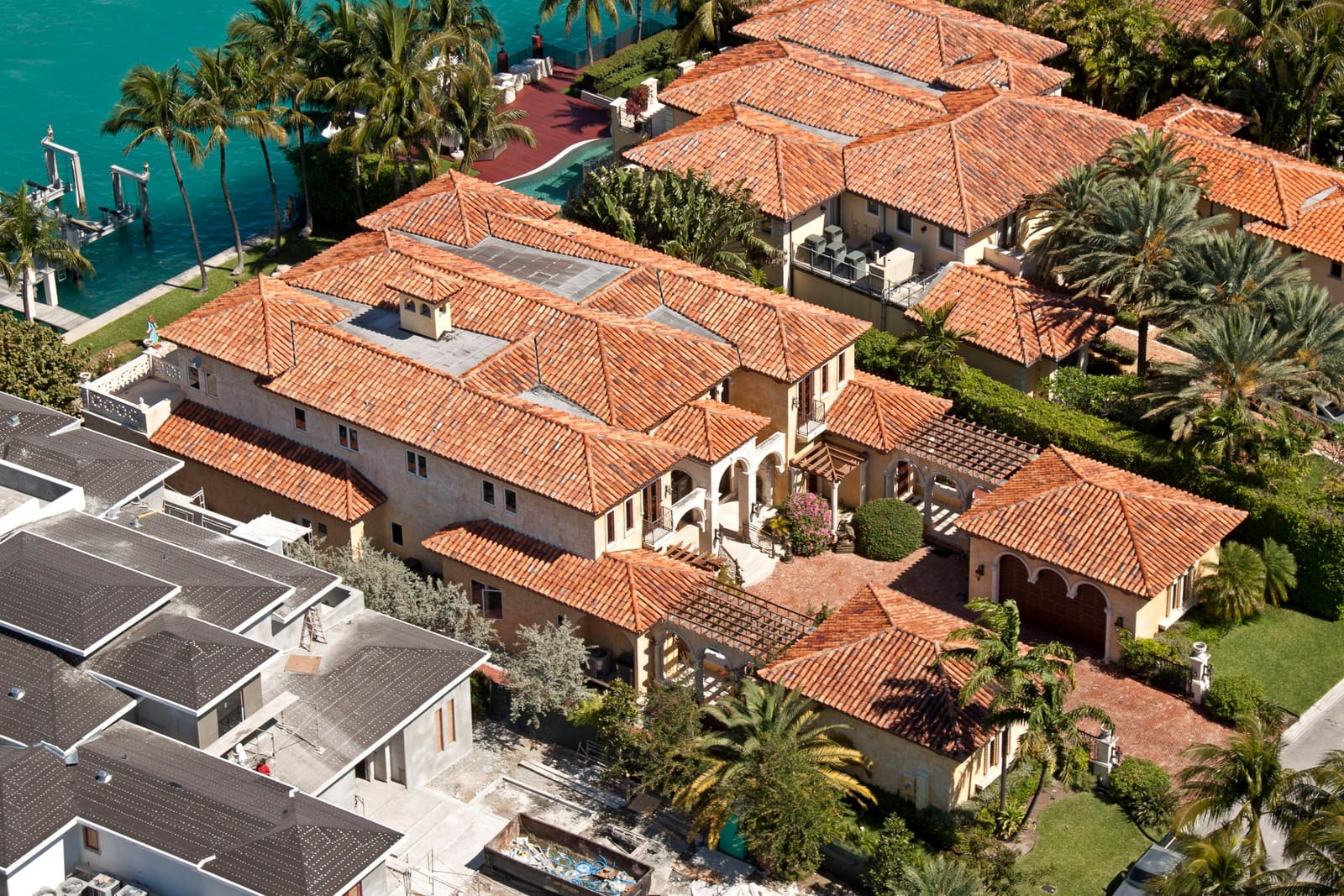
Concrete and clay tile dominate South Florida roofs because they meet High Velocity Hurricane Zone (HVHZ) wind requirements and resist salt air corrosion. Asphalt shingles cost less upfront but require replacement more than once over a tile roof's lifespan. Metal roofs offer comparable longevity to concrete tile with lower weight.
Maintenance intervals reflect underlayment and fastener checks, not surface material.
How to decide
Start by asking your contractor three questions. First: "What's the expected lifespan of this material in Miami's climate, and what shortens it?" A qualified roofer will cite salt air, UV exposure, and wind uplift, not recite manufacturer brochures. Second: "How do you handle fastener schedules and edge details in the High Velocity Hurricane Zone?" The answer should reference building code, not cost savings.
Third: "What does your workmanship warranty cover, and what voids it?" If the contractor can't explain the difference between a material defect and an installation failure, walk away.
Learn to recognize failure modes yourself. Granule loss on asphalt shingles signals UV degradation. Lifted tile edges mean inadequate fastening or foam adhesive breakdown.
Rust bloom on metal panels points to coating failure or dissimilar-metal contact. Ponding water on flat roofs indicates inadequate slope or clogged drains.
You decide the material and the budget. The contractor decides fastener type, underlayment grade, flashing details, and ventilation strategy. If a roofer lets you override structural decisions to save money, Istueta Roofing.
Your judgment governs aesthetics and cost; the professional's judgment governs whether the roof stays on during a hurricane.
In South Florida specifically
Miami roofs face conditions that compress typical lifespan estimates. The High Velocity Hurricane Zone (HVHZ) designation covering Miami-Dade and Broward counties requires products to carry a Notice of Acceptance (NOA) proving they can withstand sustained winds above 140 mph. That NOA testing subjects materials to accelerated aging cycles that simulate years of UV and thermal stress in hours, so manufacturers design for durability from the start.
Salt air accelerates corrosion on metal flashings, fasteners, and underlayment clips. Coastal properties within two miles of the Atlantic see measurably shorter service life on galvanized steel components unless upgraded to stainless or hot-dipped galvanized G-90 or higher. Wind-driven rain during tropical systems forces water into seams and penetrations that would remain dry in calmer climates, stressing sealants and adhesives year-round rather than seasonally.
Local permitting requires engineered wind calculations for re-roofs on most residential structures, which often triggers upgrades to deck attachment, edge securement, and hip-and-ridge detailing. These code-mandated improvements extend lifespan by reducing uplift and edge flutter, but they also mean you cannot simply overlay new shingles on an aging roof the way contractors do in temperate zones. Every Miami re-roof is a tear-off with structural verification.